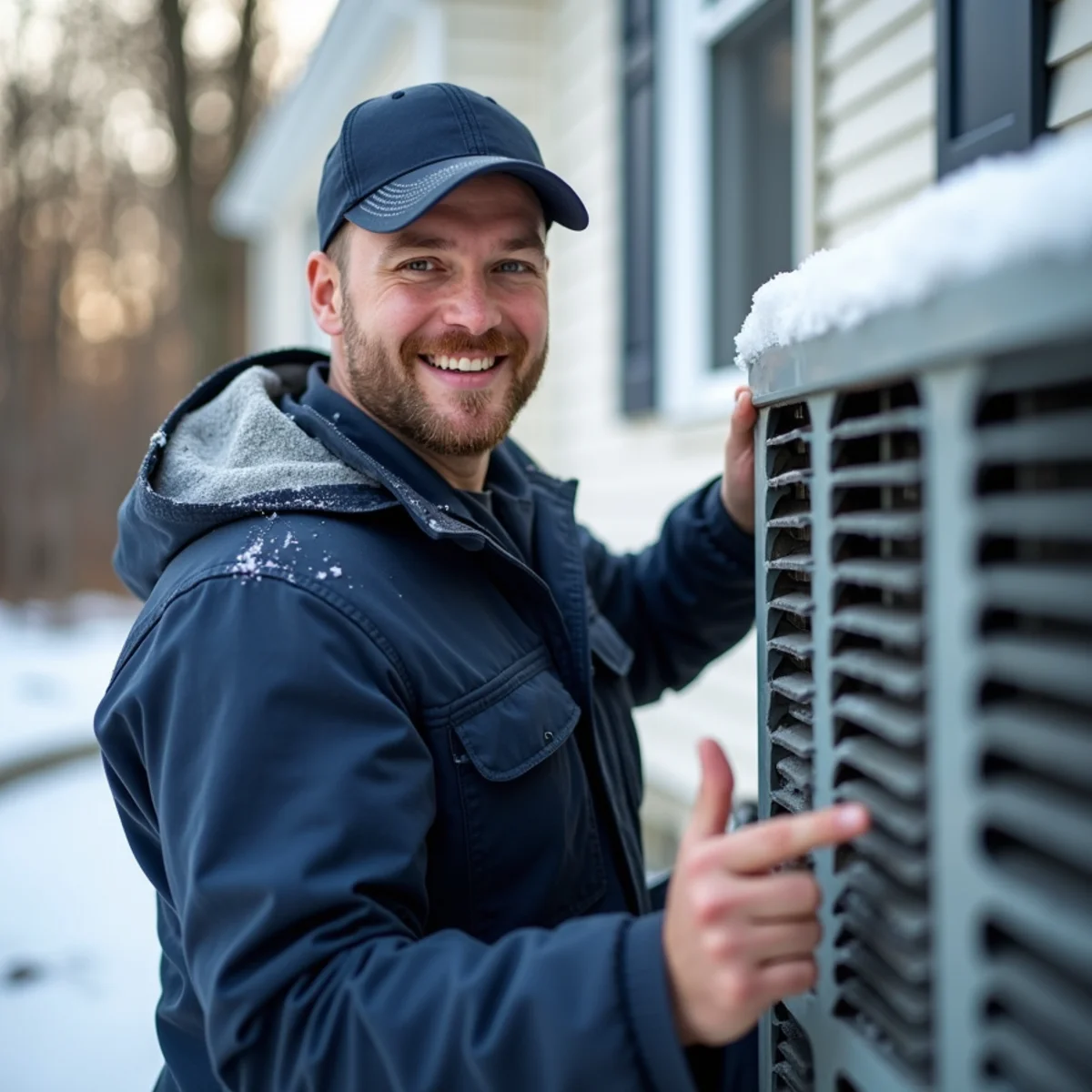
It is the third day of a heat wave, the thermometer on your porch off Courthouse Road reads 97 degrees, and the air coming out of your vents just went from cold to lukewarm to nothing. In Stafford's humid subtropical summer, a dead air conditioner is not a mild inconvenience. Indoor temperatures can climb past 85 degrees within a couple of hours, and the humidity that hangs over the Rappahannock makes it feel worse than the number says.
Before you panic or assume the worst, there are five things every Stafford homeowner should check and do in order. Some of them will get your system running again in ten minutes. Others will tell you, clearly, that it is time to call a licensed technician. Either way, you will stay safe and avoid making an expensive problem worse.
First, Protect the People in the House
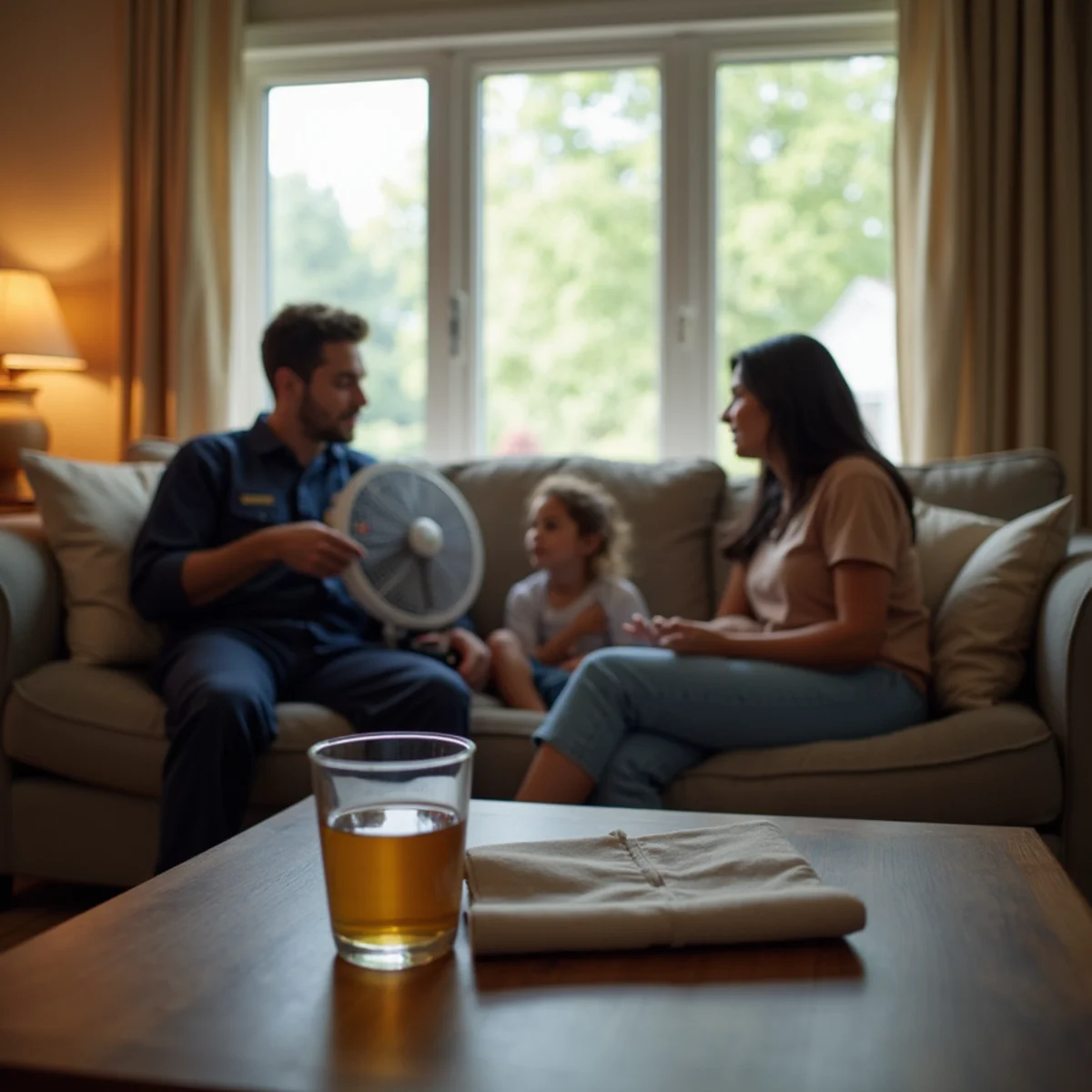
Comfort is secondary to safety. If anyone in your home is elderly, very young, pregnant, or has a heart or respiratory condition, a hot house is a medical concern, not a maintenance one. Heat illness sneaks up fast when the humidity is high because sweat stops evaporating.
Move everyone to the coolest part of the house, usually a north-facing room or a finished basement. Close blinds on the sun-facing side. Run ceiling and box fans to keep air moving, drink water, and skip the oven. If someone shows signs of heat exhaustion, dizziness, nausea, a pounding headache, cool them down and seek help before worrying about the equipment.
- Close blinds and curtains on the south and west sides of the house
- Set up fans in occupied rooms to keep air circulating
- Keep a cooler of water and skip cooking on the stove or in the oven
Second, Check the Thermostat and Breakers
This sounds obvious, but a surprising number of no-cooling calls in North Stafford end at the thermostat or the electrical panel. Confirm the thermostat is set to COOL, the fan is on AUTO, and the setpoint is at least a few degrees below the room temperature. If it is a battery-powered model and the screen is dim or blank, swap in fresh batteries.
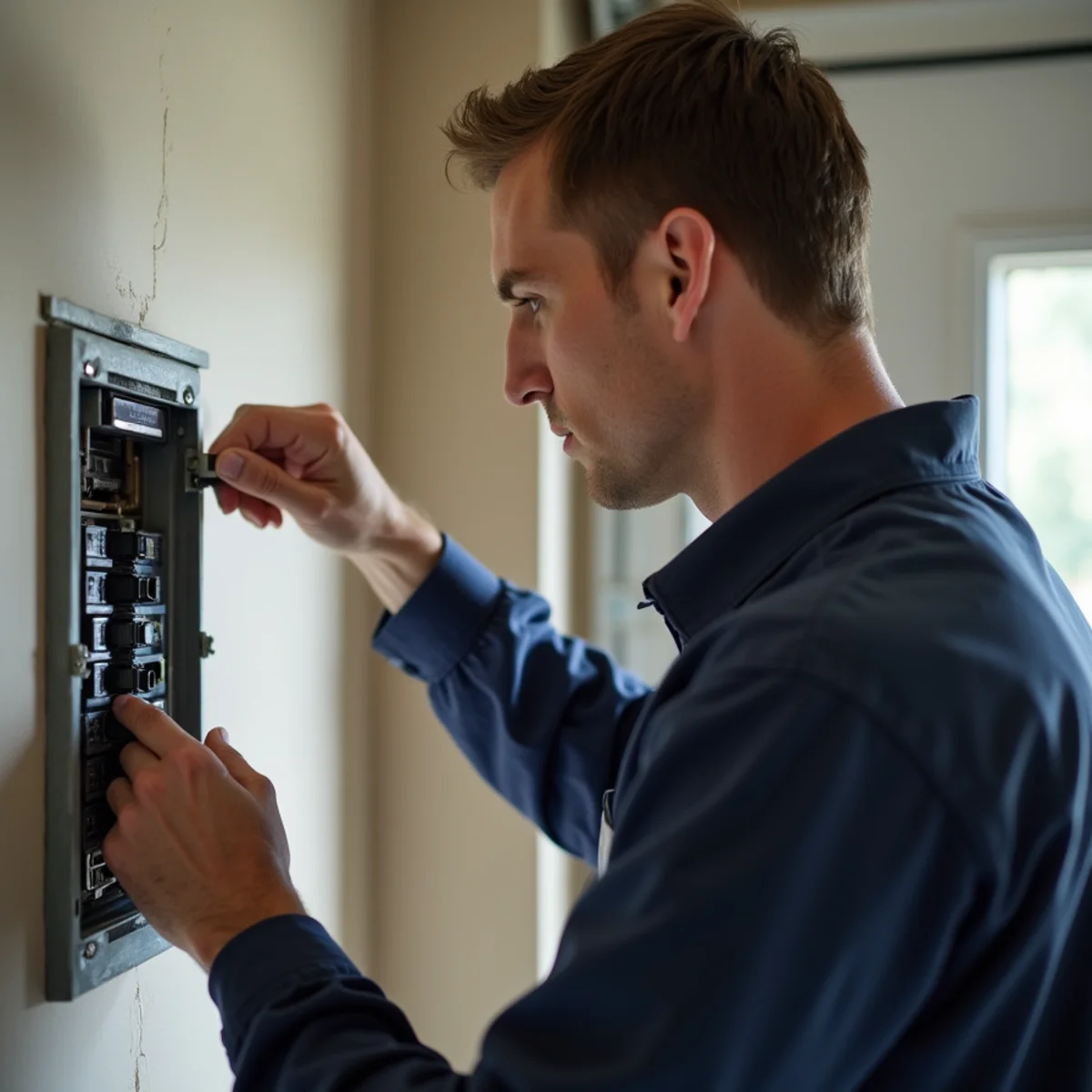
Next, walk to your electrical panel and look for a tripped breaker. Air conditioners often sit on a dedicated double-pole breaker. A tripped breaker will look slightly out of line with the others, or sit in the middle position. Flip it fully OFF, then back ON, one time. If it trips again immediately, stop. That is your system telling you something is drawing too much current, and repeatedly resetting it can damage the compressor.
Third, Look at the Outdoor Unit and the Filter
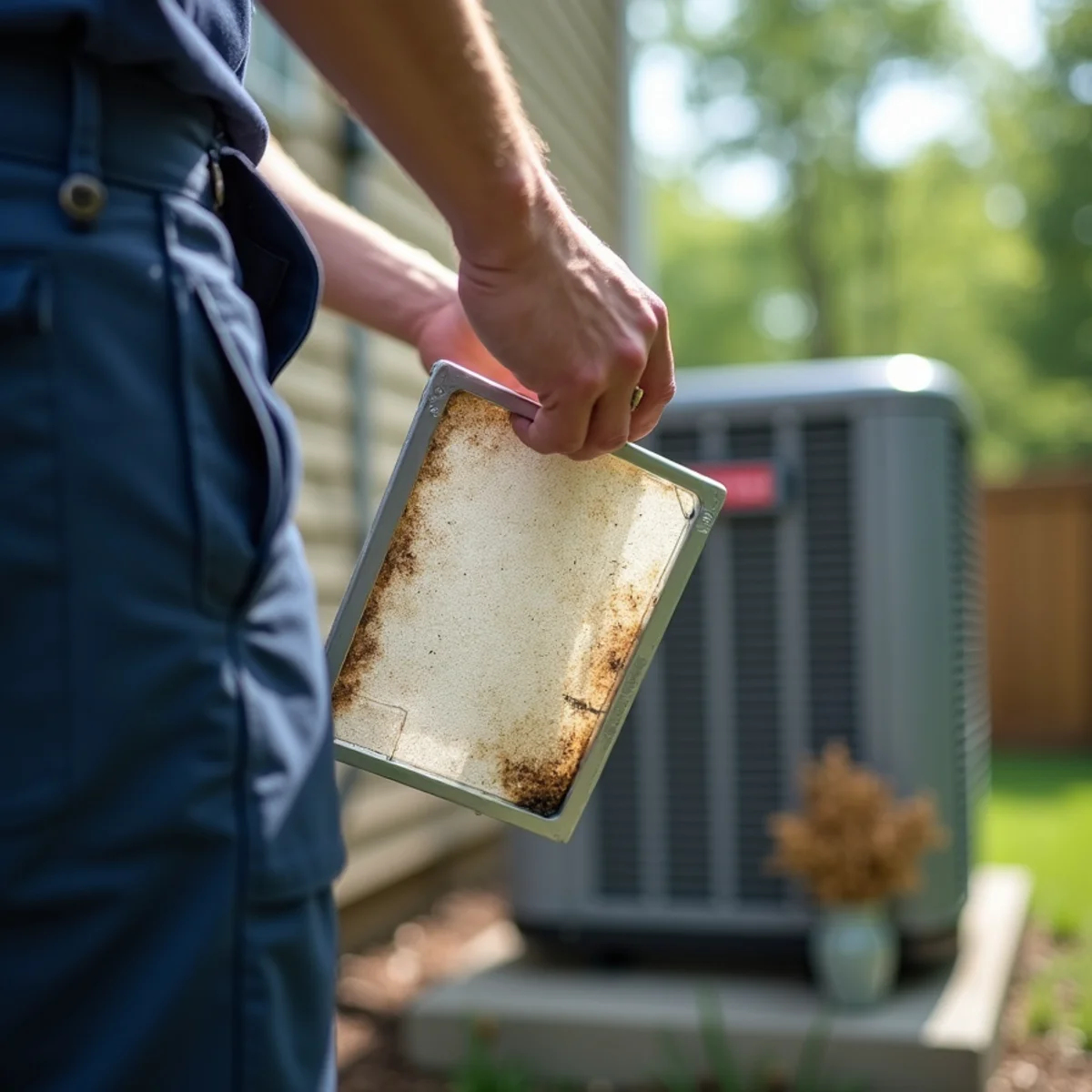
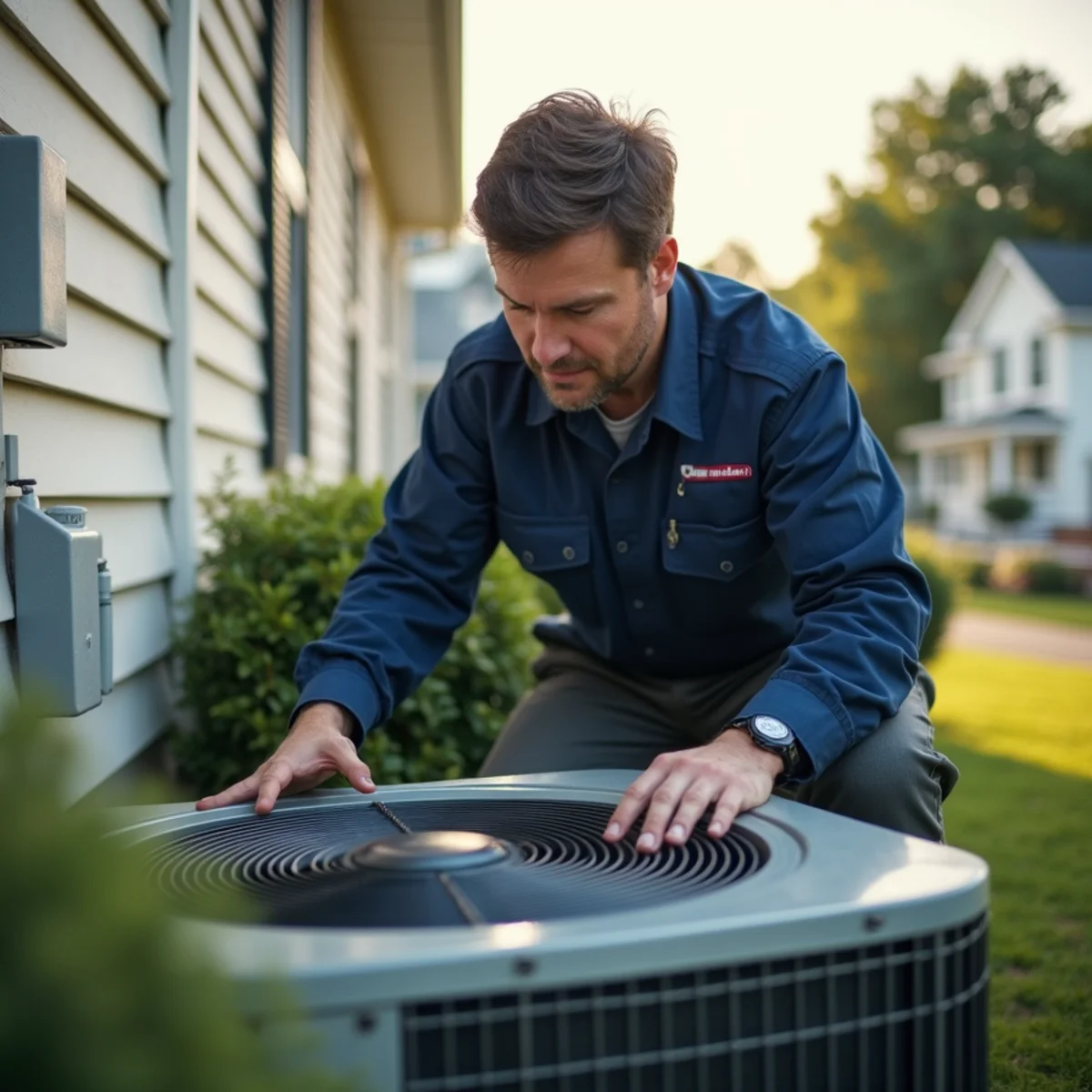
Head outside to your condenser, the big box with the fan on top. Is the fan spinning? Is the area around it clear? During Stafford's storm season, mulch, grass clippings, and cottonwood fluff clog the coil and choke airflow. Gently clear away leaves and debris and make sure nothing is leaning against the unit.
Then check your air filter. A filter packed with dust and pet hair is the single most common cause of weak or no airflow, and it can freeze the indoor coil solid. If the filter is gray and matted, replace it. If you see ice on the copper lines or the indoor coil, turn the system to OFF and let it thaw, running only the fan, for several hours before trying again.
Fourth, Clear the Condensate Line and Reset the Safety Switch
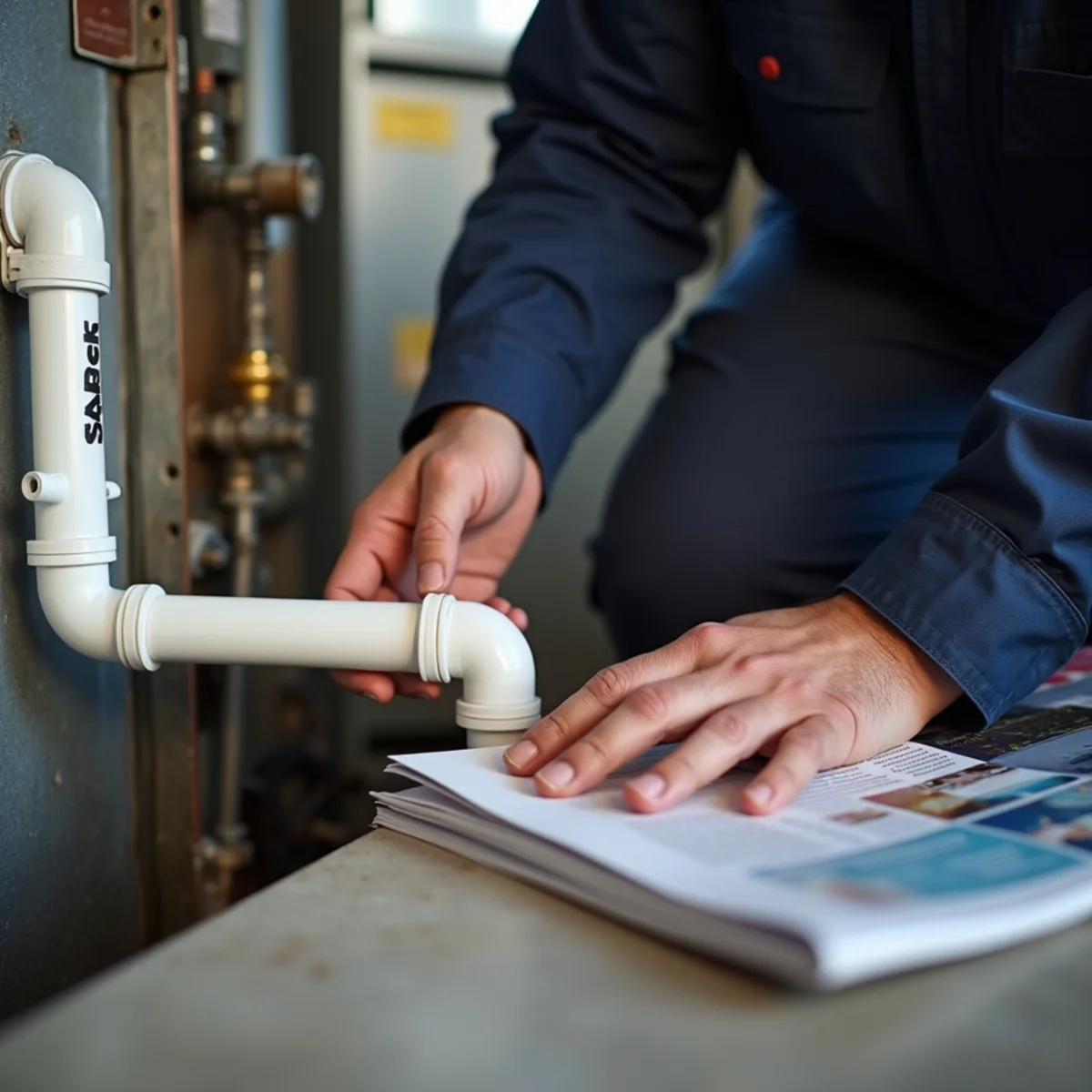
Your AC pulls a lot of moisture out of Stafford's muggy air, and that water drains through a PVC condensate line. When that line clogs with algae, a float safety switch shuts the system down on purpose to keep water from overflowing onto your ceiling or furnace.
Find the drain line near your indoor unit and look for a small switch or a full drain pan. If the pan is full, the line is clogged. You can carefully vacuum the outdoor end of the line with a wet/dry vac, but if you are not comfortable doing it, this is a good moment to bring in a professional rather than risk water damage.
Fifth, Know When It Is Truly an Emergency

If you have worked through the first four steps and still have no cooling, or the breaker keeps tripping, or you smell burning, it is time to stop troubleshooting. In a heat wave, a house without cooling can become genuinely dangerous within hours, especially for vulnerable residents. That is exactly what fast emergency AC repair exists for, and our team keeps an average 60 to 90 minute response across Stafford County during peak season.
We service the whole area, from the neighborhoods around Stafford Courthouse to the far corners of Stafford County, so help is rarely far away. A licensed technician can safely test the capacitor, contactor, refrigerant charge, and compressor, which are the failures that a homeowner cannot and should not diagnose alone.
Related Stafford HVAC Help
Frequently Asked Questions
There is no single magic number, but once indoor temperatures pass the mid-80s with Stafford's summer humidity, heat stress becomes a real risk for infants, older adults, and anyone with a health condition. Watch the people, not just the thermostat, and get somewhere cool if anyone feels unwell.
No. If a breaker trips once, resetting it a single time is reasonable. If it trips again right away, the system is drawing too much current, often from a failing compressor or capacitor. Repeated resets can burn out expensive components. Leave it off and call a technician.
Ice usually means restricted airflow from a dirty filter or a low refrigerant charge. The coil gets too cold and condensation freezes. Turn the system off, run only the fan to thaw it, replace the filter, and if it ices up again, you likely have a refrigerant or airflow problem that needs a professional.
A dead AC during a Stafford heat wave is stressful, but a calm, ordered check of thermostat, breaker, filter, condenser, and condensate line solves a real share of no-cooling calls without a service visit. The rest are electrical and refrigerant problems that need trained hands and proper tools.
If you have run through these steps and your home is still heating up, do not tough it out in the humidity. Call HVAC Stafford VA at +1 (327) 210-5999 and we will get a licensed technician moving your way, fast.
Call +1 (327) 210-5999