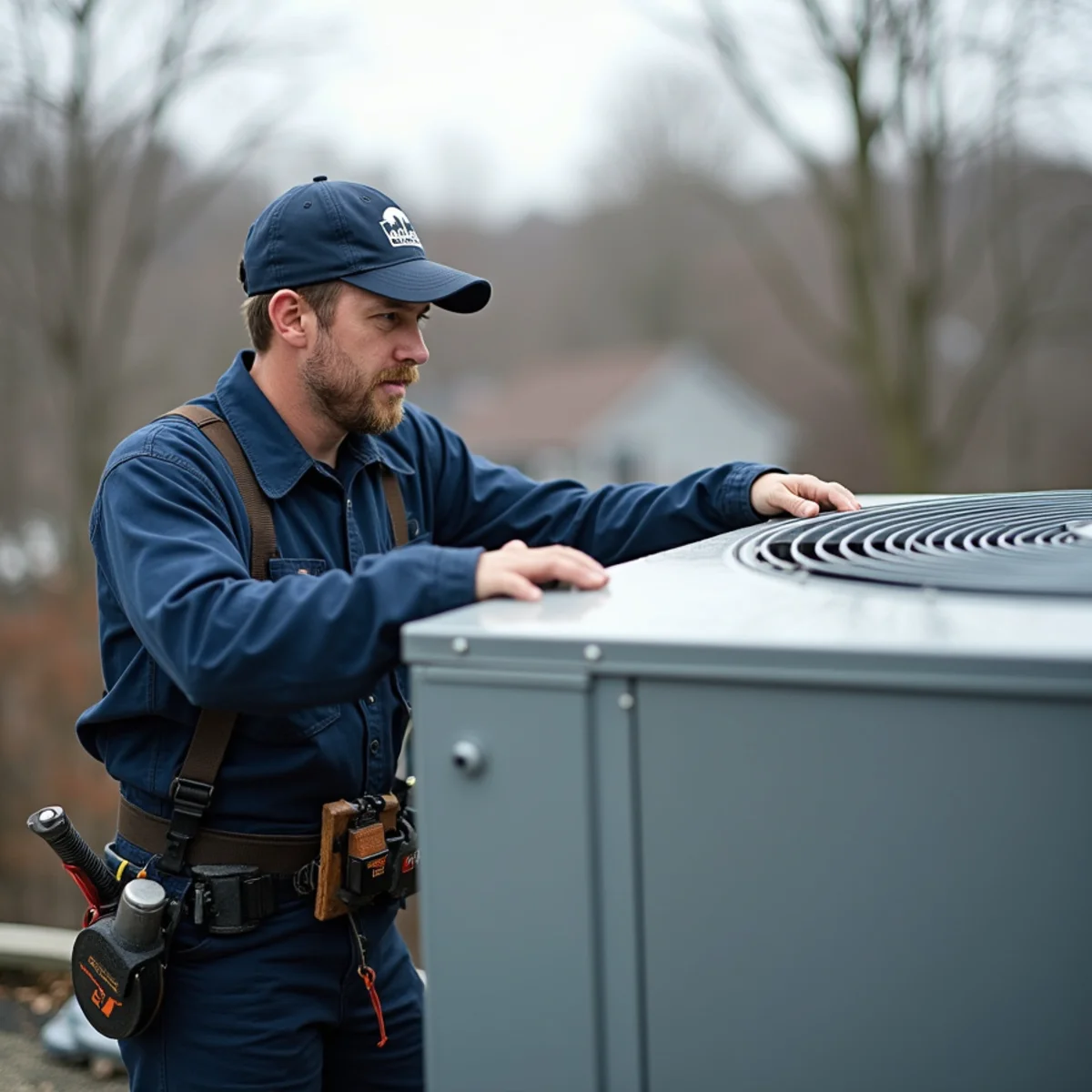
For a Stafford retail or office building, HVAC is not just a comfort issue; it is a business continuity issue. When a unit goes down, customers leave, tenants complain, and productivity drops. The businesses that avoid those disruptions almost all have one thing in common: a preventive maintenance contract that keeps the equipment ahead of failure.
A good maintenance agreement is not just scheduled visits. It is predictable budgeting, priority service when something does go wrong, and a documented history that protects your investment. Here is what these contracts cover and why they pay for themselves.
What a preventive maintenance contract actually gives you
The core of a contract is scheduled, documented service on every unit in your building, typically several visits a year timed to the seasons. But the real value goes beyond the visits themselves. A contract usually includes priority response, so when your competitor is waiting three days in a heat wave, your call goes to the front of the line.
It also brings cost predictability. Instead of unpredictable emergency invoices, you have a known annual figure and often discounted rates on any repairs. For a building owner or facility manager, that turns HVAC from a source of budget surprises into a planned expense.
- Scheduled seasonal maintenance on all units, documented
- Priority emergency response ahead of non-contract customers
- Discounted repair rates and no overtime surprises
- Predictable annual budgeting instead of emergency invoices
- A tracked service history for each unit to guide replacement planning
The math: prevention versus emergency
Emergency HVAC service costs more, per hour and in consequences. An after-hours failure means overtime rates, expedited parts, and whatever business you lose while the space is uncomfortable. A restaurant that closes for an afternoon or a retail store that empties out in July loses far more than the repair bill.
Preventive maintenance catches the small problems, a worn belt, a weak capacitor, a coil losing capacity, before they cascade into a shutdown. It also keeps equipment running efficiently, which lowers energy bills, and it extends equipment life, delaying the biggest expense of all, replacement. Across a portfolio, the savings are real and measurable.
What to look for in a contract
Not all maintenance agreements are equal. A cheap contract that covers only a cursory filter change is not worth much. Look for a scope that matches your equipment and how hard it runs, with clear documentation of what was checked and found on each visit.
Make sure the contractor is Virginia DPOR licensed, EPA Section 608 certified, and properly insured, because they are working on your roof and refrigerant systems and you carry liability if they are not. Ask about response time commitments and whether the contract includes the economizers, controls, and other components that generic agreements often skip.
Built around your building, not a template
A restaurant, a medical office, and a retail strip have very different HVAC demands, and a one-size contract serves none of them well. We build maintenance agreements around your actual equipment, occupancy, and priorities, whether that is uptime for a busy storefront or air quality and precise conditions for a medical space.
That means the right number of visits, the right scope per unit, and a response commitment that fits your operation. For multi-tenant buildings, it means tracking each unit's history so you can plan replacements and pass through costs cleanly. The goal is fewer surprises and a building you can budget for.
What Separates a Real Contract From a Sticker
Plenty of 'maintenance agreements' amount to a sticker on the unit and a once-a-year glance. A contract worth paying for spells out the visit frequency, the exact scope of each inspection, filter and belt replacements, a guaranteed response time when something breaks, and written reporting you can hand to ownership.
For Stafford retail and office buildings, we tailor the scope to the equipment and how hard it runs, and we put priority response in writing so a breakdown does not put you at the back of the line. The honest tradeoff: a contract costs money up front, but it almost always beats the price of emergency work plus lost business.
- Defined visit frequency and scope
- Filter, belt, and component replacements
- Guaranteed priority response time
- Written reporting after each visit
- Scope matched to your equipment and usage
Related Stafford HVAC Help
Frequently Asked Questions
It depends on the equipment and how hard it runs, but most retail and office buildings need at least two visits, spring and fall, and high-runtime spaces like restaurants often need quarterly service. A good contract matches the frequency to your actual usage rather than a generic default.
Contracts vary. Most include priority emergency response and discounted repair rates, but the repair itself is usually billed separately unless you have a full-coverage agreement. The key benefit is that contract customers get faster service and better pricing when something does go wrong.
A real contract spells out visit frequency, exactly what is inspected and cleaned, filter changes, response-time commitments for breakdowns, and documented reporting after each visit. Vague one-line agreements are the ones that leave you exposed.
HVAC breakdowns in a retail or office building are disruptive and expensive, and they almost always give warning signs that maintenance would have caught. A preventive maintenance contract turns those surprises into a predictable line item, with priority service when you need it most.
HVAC Stafford VA builds maintenance agreements around your building and your budget. Call +1 (327) 210-5999 to discuss a preventive maintenance contract for your property.
Call +1 (327) 210-5999