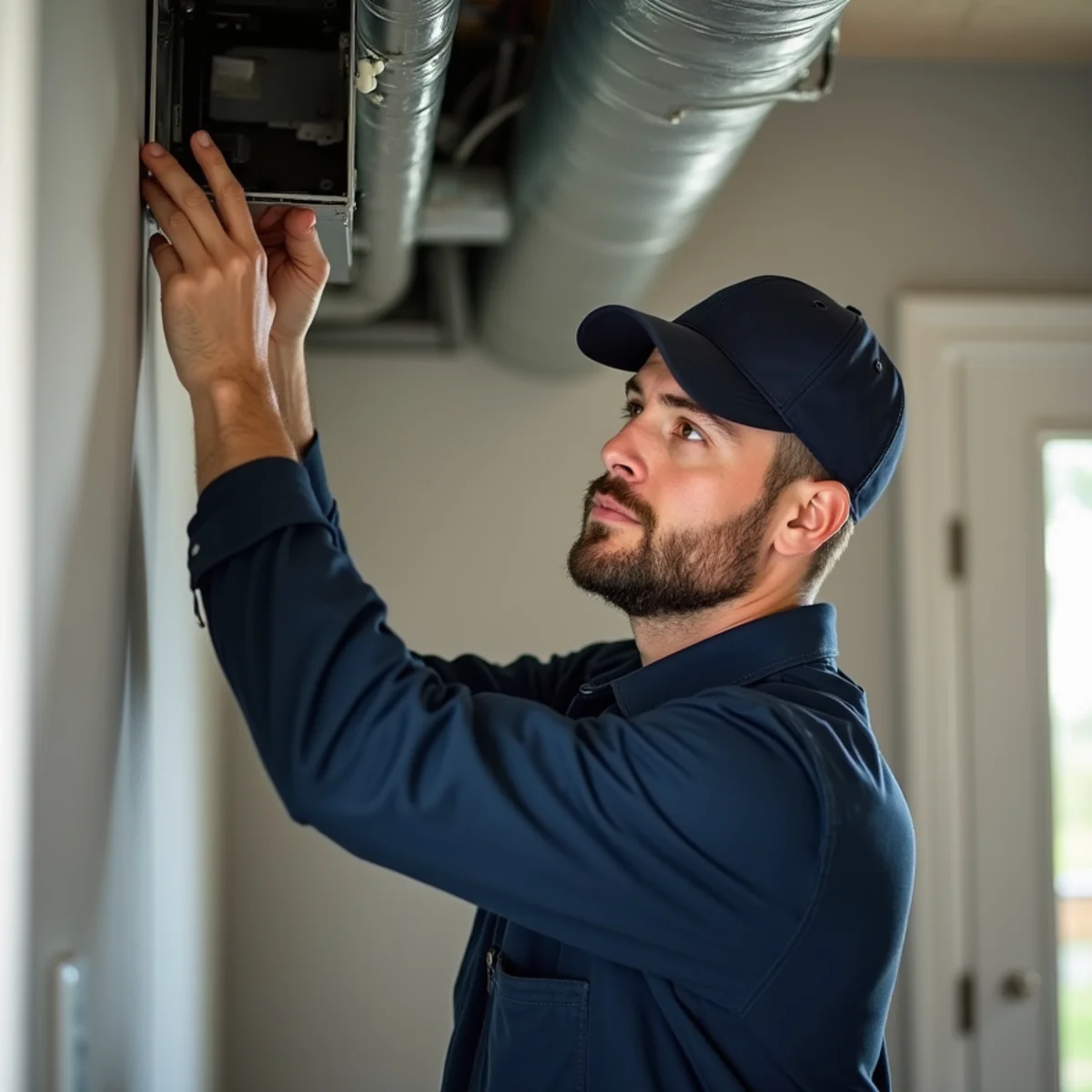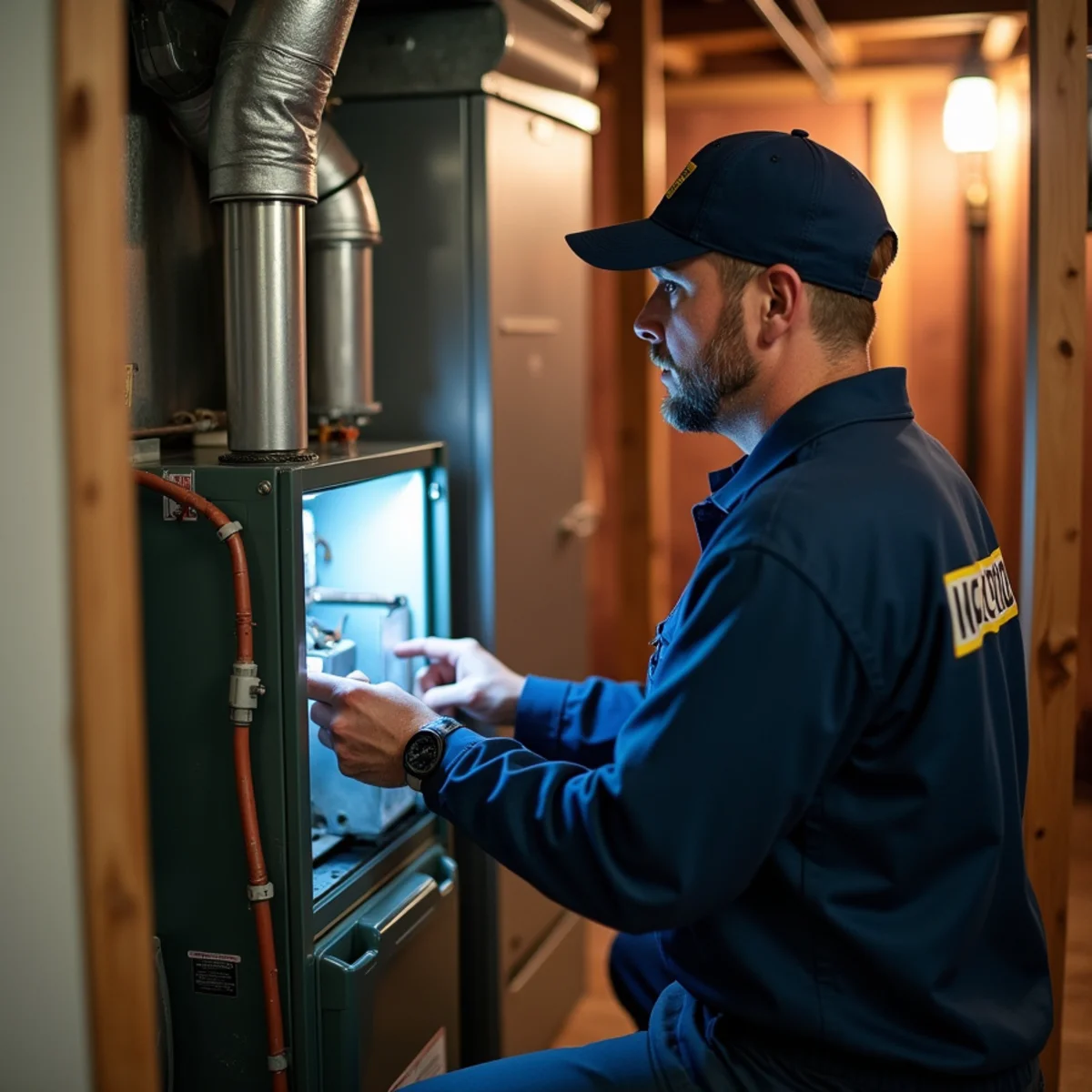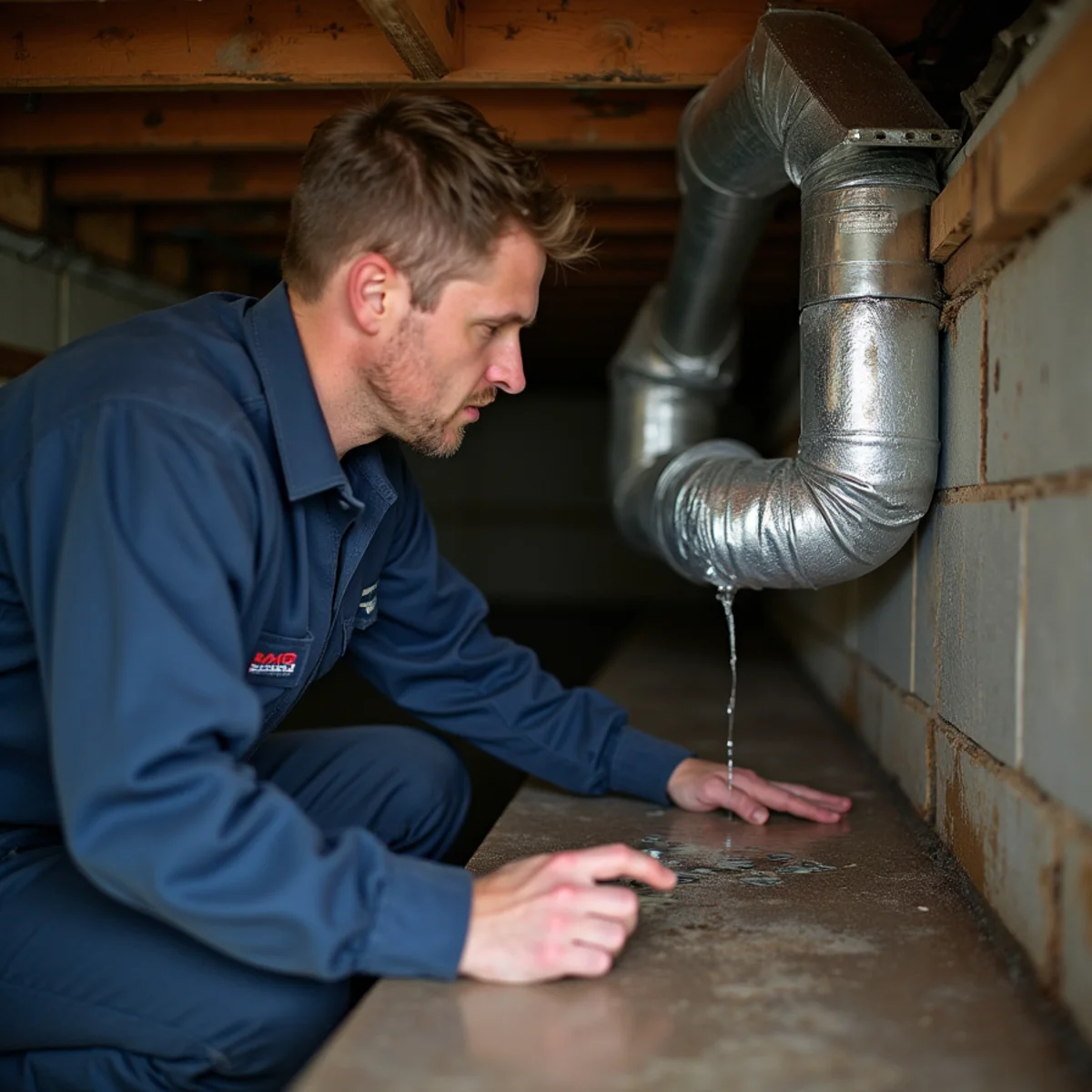
You walk into your Stafford home on a humid August afternoon and there it is, a faint musty, earthy smell that seems to come from everywhere and nowhere. You clean, you run air fresheners, and it keeps coming back. More often than not, the source is not in your living space at all. It is underneath you, in the crawlspace, and your ductwork is the delivery system carrying that smell up into your rooms.
This connection surprises a lot of homeowners, but it is one of the most common indoor-air complaints we see in Stafford, especially in the many homes built over vented crawlspaces. Understanding how crawlspace moisture and duct leaks work together explains the smell, and points straight to the fix.
Why Stafford Crawlspaces Get So Humid
Stafford's humid subtropical climate means the outdoor air is loaded with moisture for much of the year. Traditional crawlspaces are vented, meaning they have openings to the outside air, built on the old theory that outdoor air would keep them dry. In our climate, the opposite happens. Warm, moist summer air flows into the cooler crawlspace, and when that humid air hits the cool surfaces below your floor, moisture condenses.
That condensation, combined with any ground moisture in the soil, creates a damp environment where mold and mildew thrive. The result is that musty, earthy crawlspace smell, along with the biological growth that produces it. The lower-lying and wooded areas of the county, with their higher water tables, can have it worse.
How the Smell Reaches Your Living Space
Here is the ductwork connection. In most Stafford homes with a crawlspace, the supply and return ductwork runs through that very crawlspace. Ducts are rarely perfectly sealed, and over the years connections loosen and seams open up. On the return side especially, leaky ducts pull air from wherever they run.
So when your return ducts have leaks in a humid, musty crawlspace, they suck that damp, mold-laden air right into your HVAC system and distribute it throughout your home. Every time the system runs, it is essentially pumping crawlspace air into your bedrooms and living room. That is why the smell seems to come from the vents themselves, because it does.
- Return-side duct leaks pull humid, musty air from the crawlspace
- The HVAC system then distributes that air through the whole house
- The smell seems to come from the vents because it literally does
The Health and Comfort Stakes
This is more than an unpleasant smell. Distributing damp, moldy air through your home affects indoor air quality, and can aggravate allergies, asthma, and respiratory sensitivity, especially for children and older residents. The added humidity also makes your home feel warmer and stickier, forcing your AC to work harder.
Excess crawlspace moisture damages the house itself over time, rotting wood framing and subfloor, corroding ductwork, and creating conditions for pests. So the musty smell is really an early warning of a moisture problem that is worth addressing before it becomes structural.
Sealing the Ductwork
The first and most direct fix for the smell is sealing the ductwork, particularly the return side, so it stops drawing crawlspace air into your living space. Properly sealing duct seams and connections keeps your HVAC system circulating the air you actually want, from inside the house, rather than the damp air from below.
Professional duct sealing also improves efficiency, because leaky ducts waste conditioned air and money. This is often the highest-impact step, and it addresses the specific pathway that carries the smell into your rooms. It is the part of the solution most directly in the HVAC contractor's wheelhouse.
Controlling the Moisture at the Source
Sealing the ducts stops the delivery, but the lasting fix also tackles the moisture itself. Crawlspace encapsulation, sealing the vents, laying a heavy vapor barrier over the ground, and often adding a dedicated dehumidifier, transforms a damp, vented crawlspace into a dry, controlled space. That eliminates the source of the smell rather than just blocking one pathway.
Our ductwork services address the duct-sealing side of this problem, and we can advise on the whole-picture moisture strategy for your specific home. In Falmouth and the older parts of the county where vented crawlspaces are common, we have seen how much difference a sealed duct system and a dry crawlspace make, both for the smell and for the health of the house.
Related Stafford HVAC Help
Frequently Asked Questions
Yes, and it is one of the most common causes we see. When ductwork running through a humid crawlspace has leaks, especially on the return side, it pulls damp, musty air into the HVAC system and distributes it throughout the home. Sealing those ducts and controlling crawlspace moisture is what stops it at the source.
Not really. Air fresheners mask the smell temporarily, and a filter catches particles but does not stop humid, odor-laden air from being pulled in through leaky ducts. The lasting fix is to seal the ductwork so it stops drawing crawlspace air, and to control the moisture in the crawlspace itself.
It can be. Distributing damp, mold-laden air through your home can aggravate allergies, asthma, and respiratory sensitivity, and the added humidity makes the house less comfortable. Over time, crawlspace moisture also damages framing and ductwork. Addressing it improves both your indoor air quality and the long-term health of the house.
That persistent musty smell in your Stafford home usually starts in a humid crawlspace and rides leaky ductwork up into your living space. Sealing the ducts stops the delivery, and controlling the crawlspace moisture eliminates the source, together clearing the air and protecting your home and your health.
If a musty smell keeps returning no matter how much you clean, call HVAC Stafford VA at +1 (327) 210-5999. We will trace it to the source and seal the ductwork that is spreading it.
Call +1 (327) 210-5999