

HVAC Guide
Ice on Your AC Lines? What It Means and When to Call for Help
Why your air conditioner freezes up in Stafford's humidity, how to thaw it safely, and the point where you need a licensed technician.
Jul 8, 20256 min read
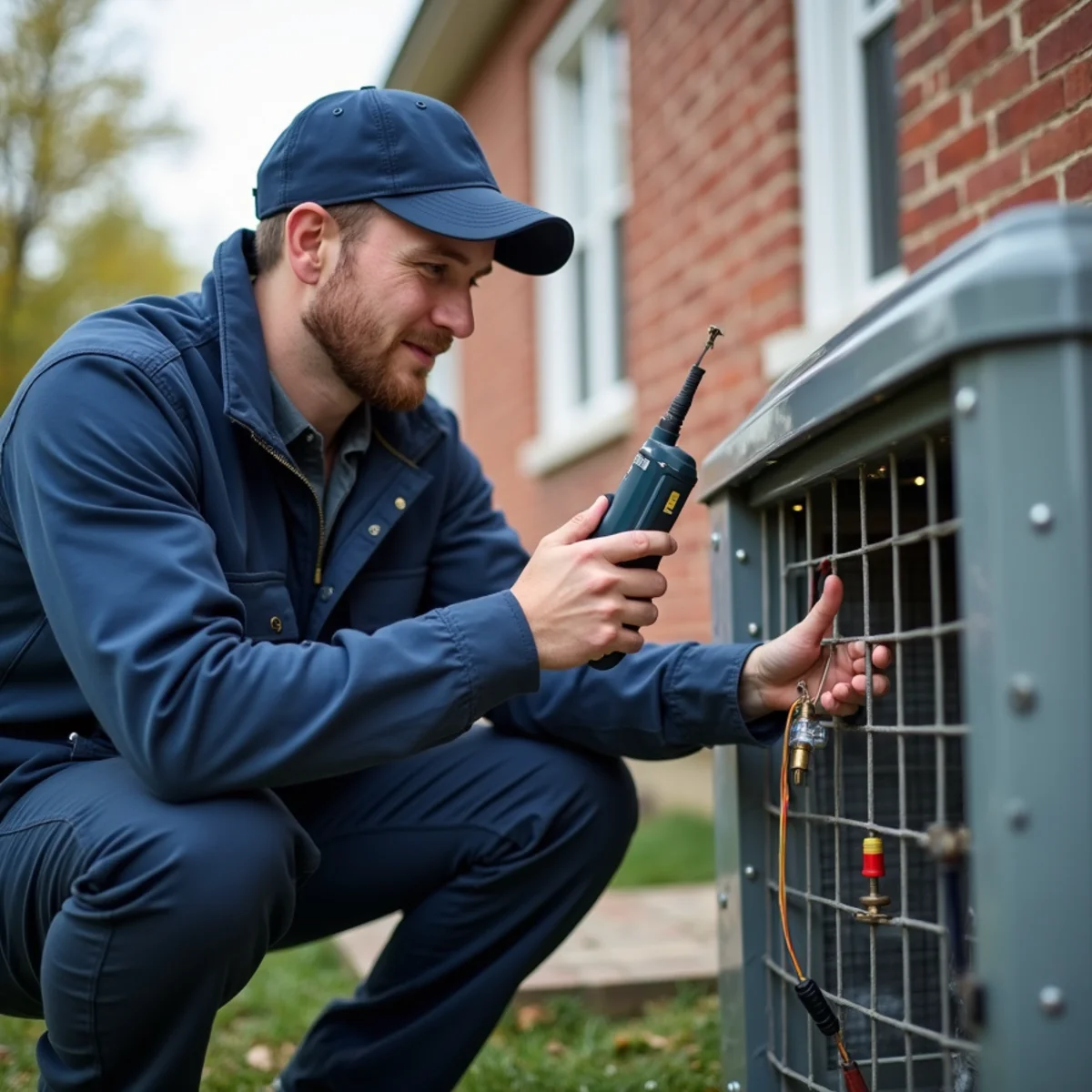
24/7 Emergency Service
If your AC needs refrigerant every summer, it has a leak, and adding more without fixing it just pumps money and greenhouse gas into the air. We are EPA Section 608 certified, and we find the actual leak, repair it, and recharge the system to the manufacturer’s spec by weight. Warm air, ice on the lines, and a hissing sound are all signs it is time to call.
Refrigerant is not a fuel that gets used up; it circulates in a sealed loop. So a low system always means the loop is leaking somewhere: a corroded evaporator coil, a rubbed or vibrated line-set joint, a leaking Schrader valve, or a failing braze. Finding it takes real work, an electronic detector, sometimes UV dye or a nitrogen pressure test, not a guess. We locate the leak precisely so the repair is targeted and lasting.
Topping off without repair is the shortcut we refuse. It is illegal under EPA rules to knowingly vent refrigerant, it wastes your money on a system that will be low again within weeks, and it releases refrigerant that is a potent greenhouse gas. A tech who keeps recharging your system without ever mentioning the leak is not doing you any favors. We show you where it is leaking and give you honest repair-versus-replace numbers when the coil is the culprit.
Charging correctly is as important as fixing the leak. An AC only hits its rated efficiency and cooling capacity when it holds the exact refrigerant charge the manufacturer specifies. We weigh the charge in rather than guessing by gauge pressure alone, and we verify superheat and subcooling so the system runs right. On R-22 systems, where refrigerant is expensive and phased out, we will be straight with you about whether a leak repair or a modern replacement is the smarter spend.
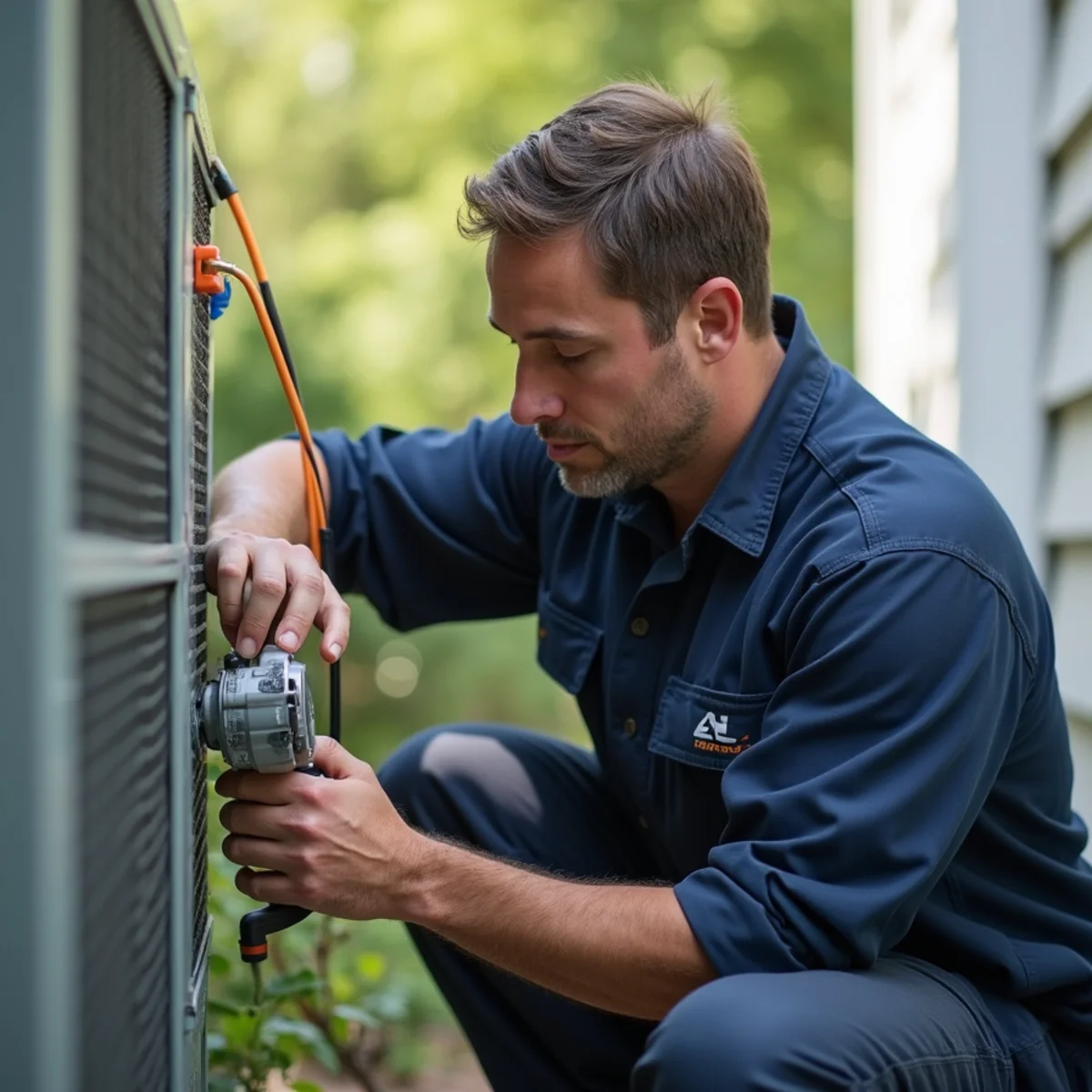
Refrigerant does not deplete on its own. If your system is low season after season, it has a leak that needs finding and sealing, not another top-off.
Low charge cuts cooling capacity, so the system runs but blows warm. It is one of the most common signs of a refrigerant leak.
Low refrigerant drops coil temperature below freezing and ice forms, blocking airflow. Ice plus poor cooling strongly suggests a leak.
A hiss near the lines or unit can be refrigerant escaping through a leak. A bubbling sound can indicate refrigerant flashing at a low point.
An undercharged system works harder for less output, quietly raising your bill while the house stays warm.
Refrigerant carries oil, so a greasy film around a joint or on the coil often marks the spot where it is escaping.
We confirm the system is actually low and rule out other causes of poor cooling before hunting for a leak.
We use an electronic detector, and UV dye or a nitrogen pressure test when needed, to pinpoint exactly where refrigerant is escaping.
We show you the leak and give honest options, from sealing a joint or replacing a valve to weighing a coil replacement against a new system.
We make the repair, pull a proper vacuum to remove moisture and air, and confirm the system holds before charging.
We weigh in the exact manufacturer charge and verify superheat and subcooling so the system cools right and runs efficiently.

Average 60–90 minute emergency response across Stafford County. Licensed, insured, and upfront about pricing.
Leak repair cost depends on where the leak is and how much refrigerant the system needs. A simple joint or valve is modest; a leaking evaporator coil, especially on R-22, can push toward replacement. We diagnose, then quote honestly.
You’ll always get the exact price in writing before any work begins — no surprises. Call +1 (327) 210-5999 for a free estimate.
We can recharge a system, but if it is low it has a leak, and topping off without repair means you will be low again soon, it wastes money, and knowingly venting refrigerant violates EPA rules. We would rather find the leak, show it to you, and give you real options than keep selling you refrigerant that leaks back out.
We start with an electronic leak detector that sniffs out escaping refrigerant along the coil, lines, and fittings. For slow or hidden leaks we may add UV dye that shows up under a special light after the system runs, or pressurize the system with nitrogen to listen and test for the escape point. The method fits how elusive the leak is.
Modern refrigerants are not acutely toxic in normal home concentrations, but a leak means your system is not cooling properly and is releasing a potent greenhouse gas. A severely undercharged system can also damage the compressor by running it improperly. The bigger issue is wasted money and a system slowly destroying itself, so it is worth fixing promptly.
It depends on the leak and the equipment. R-22 is phased out and expensive, so if the leak is in the evaporator coil on an older R-22 system, the repair cost often approaches replacement, and a new R-410A system is the smarter long-term spend. If it is a minor, accessible leak on an otherwise healthy unit, a repair can make sense. We give you the honest numbers.
Yes. Every technician who recovers, repairs, or recharges refrigerant is EPA Section 608 certified, as federal law requires. That matters because refrigerant must be recovered and charged to the manufacturer's exact specification — guesswork damages the compressor and wastes your money.
Fast, local response to these Stafford communities and neighborhoods — and many more.
Why your air conditioner freezes up in Stafford's humidity, how to thaw it safely, and the point where you need a licensed technician.
The seven most common reasons a Stafford air conditioner blows warm air, ranked from simple fixes to serious failures.
“Our AC quit during that July heat wave and the house hit 84 by lunch. They had a tech at our Aquia Harbour place within the hour, found a failed capacitor, and had us cooling again before dinner. Upfront price, no upsell. Exactly what you want in an emergency.”
“We replaced the builder-grade system in our Embrey Mill home. They actually ran a load calculation instead of just matching the old tonnage, walked us through SEER2 options in writing, and pulled the county mechanical permit. Install crew was clean and on time.”
“No heat on one of the coldest nights in February. Called the emergency line and got a real person, not a machine. Tech diagnosed a cracked igniter, had the part on the truck, and explained everything. Fair pricing for after-hours. Lifesavers.”
Average 60–90 minute emergency response across Stafford County. Get honest, upfront pricing from a licensed, locally owned team that treats your home like our own.
75 Barrett Heights Rd, Stafford, VA 22556Open 24/7 for emergencies