The first cold snap hits Stafford, you turn the heat on for the season, and within minutes there is a burning smell drifting through the vents. Your stomach drops. Is the furnace on fire? Most of the time, no. But a burning smell is one of the few furnace symptoms that can mean anything from completely harmless to genuinely dangerous, and knowing the difference matters.
This guide breaks down the smells by type, because what your nose picks up tells you a great deal about what is happening inside the unit. Some smells you can wait out. Others mean you should shut the furnace off at once and get a technician on the phone.
The Dusty Smell That Is Usually Harmless
The classic first-fire-of-the-season smell is a dusty, slightly burnt odor that shows up the first time you run the heat after months of the AC doing the work. Over the summer, a fine layer of dust settles on the heat exchanger and burners. When they heat up for the first time, that dust burns off.
This smell should be mild and should fade within an hour or two of running the furnace. If it clears and does not return, it was just dust. Changing your air filter before the first cold snap reduces it. If the smell lingers for days or gets stronger, though, treat it as something more.
The Electrical or Plastic Smell That Means Shut It Down
A sharp, acrid smell like hot plastic, melting rubber, or an overheating appliance is a warning. It points to an electrical fault, an overheating blower motor, a failing capacitor, or scorched wiring. This is not a smell to run through and hope it burns off.
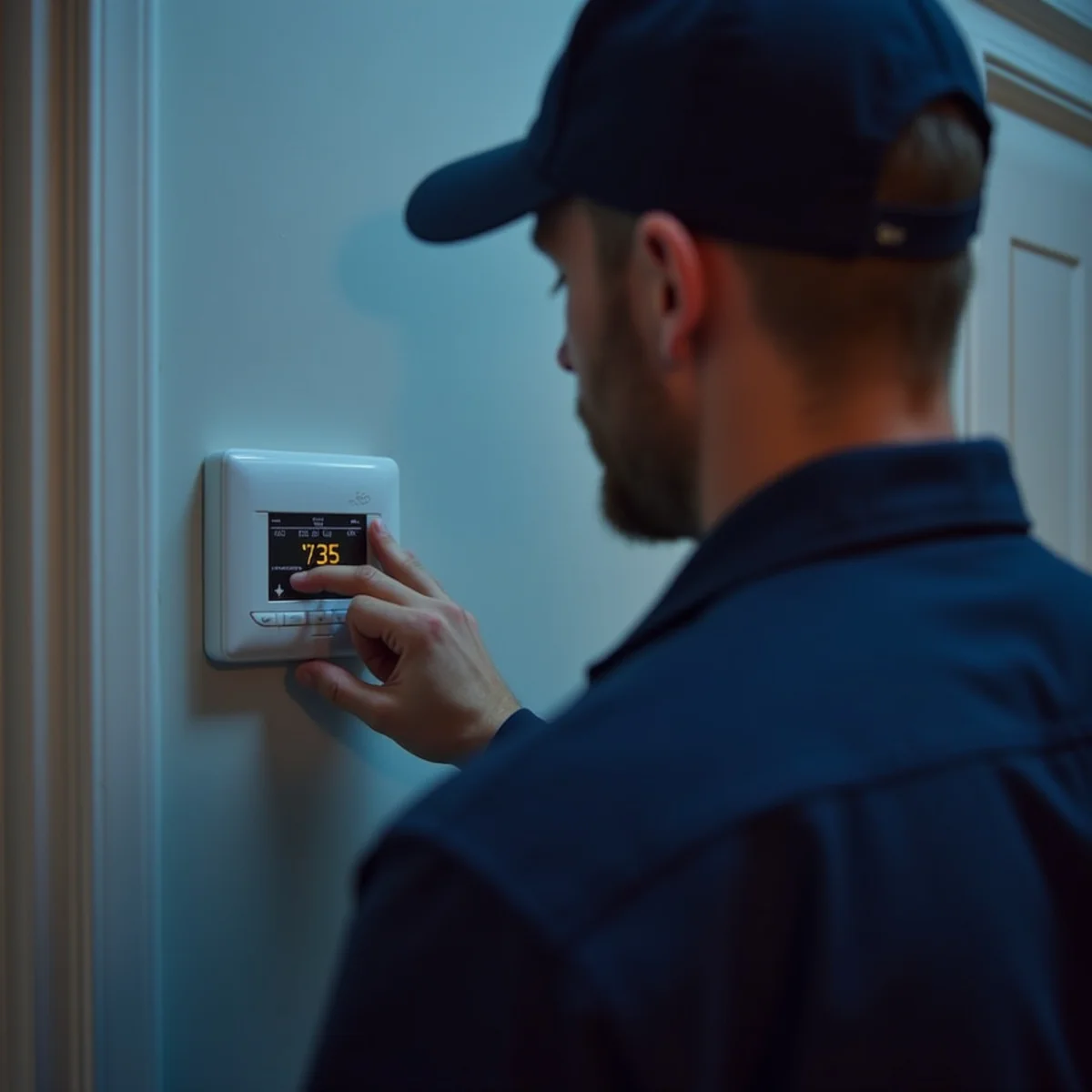
If you smell hot plastic or electrical burning, turn the furnace off at the thermostat and at the unit's power switch. An overheating motor or arcing wire is a fire risk, and continuing to run the system makes it worse. This is a clear case for emergency furnace repair, and it should not wait until morning.
- Acrid, plastic, or electrical burning smell: shut it off at the unit and the breaker
- Do not restart it to see if the smell returns
- Call for a same-night inspection rather than waiting
The Smells That Signal a Gas or Carbon Monoxide Problem
Natural gas itself is odorless, so utilities add a rotten-egg or sulfur smell to make leaks noticeable. If you smell rotten eggs near a gas furnace, do not flip switches or light anything. Leave the house and call your gas utility and 911 from outside.
A cracked heat exchanger is the more insidious danger, because carbon monoxide is odorless and colorless. Sometimes a cracked exchanger produces a faint, sweet, or chemical smell, but often there is no smell at all, which is why every Stafford home with gas heat needs working carbon monoxide detectors. If a CO detector sounds, get everyone outside and call for help.
Smoky or Oily Odors and What They Mean
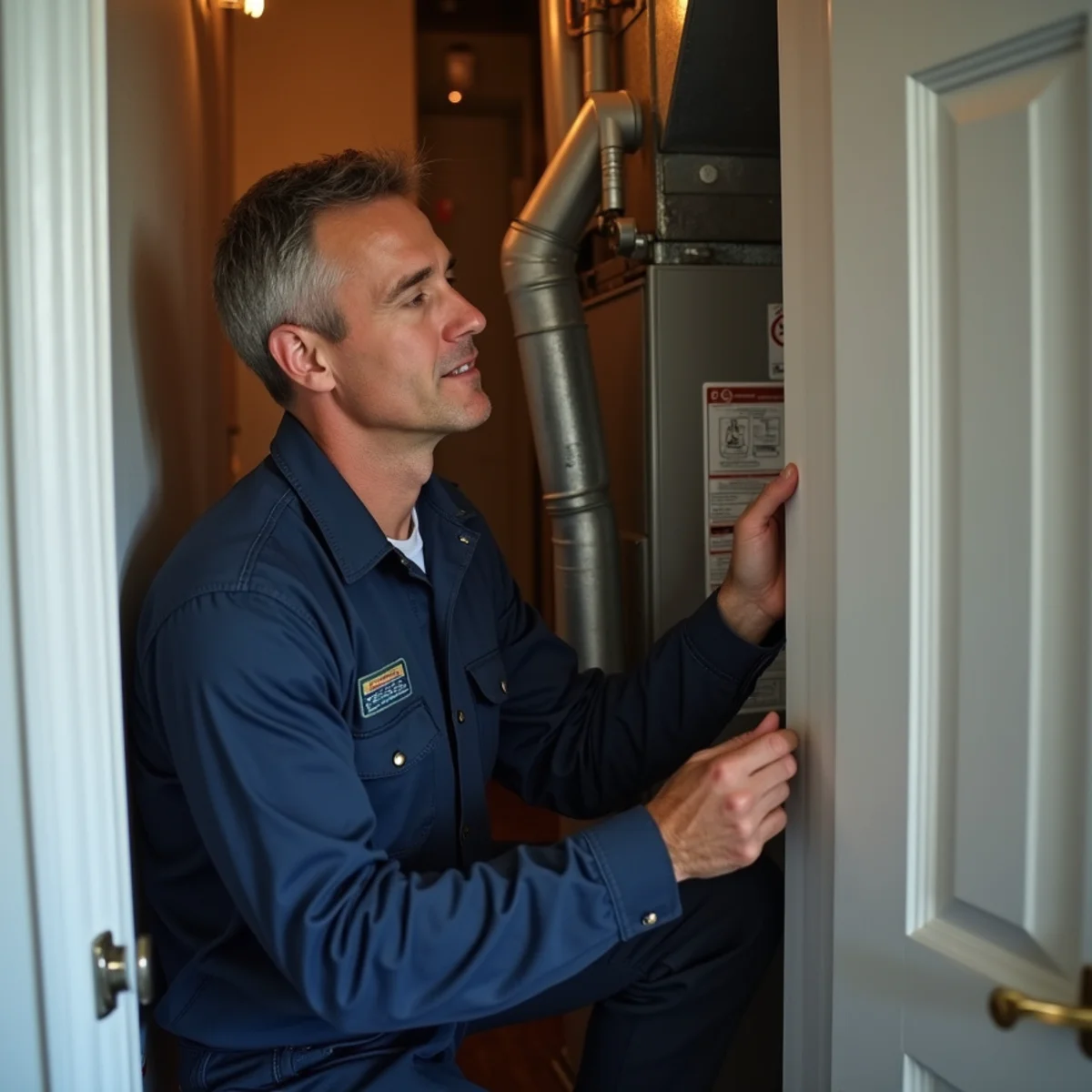
A smoky smell can mean a clogged filter is so restricted that the furnace is overheating, or that something has fallen onto or near the burners. Check and replace the filter first. If the smoky smell continues with a clean filter, shut the unit down and have it inspected.
An oily or diesel-like smell is more common on the older oil furnaces still found in some Stafford Courthouse-area homes, and it can indicate a clogged burner nozzle or incomplete combustion. That is a combustion problem, and combustion problems on any fuel deserve a professional, not a wait-and-see approach.
The Rule of Thumb for Stafford Homeowners
Here is the simple version. A brief dusty smell on the first burn of the season that clears within an hour is normal. Any smell of hot plastic, electrical burning, rotten eggs, smoke that does not clear, or an oily combustion odor means shut the furnace off and call.
We serve the Stafford Courthouse area and the whole county, and we would far rather come out and tell you it was harmless dust than have you second-guess a real hazard overnight. When in doubt, shut it down and dial. A furnace is replaceable; the people in your home are not.
Related Stafford HVAC Help
Frequently Asked Questions
A true burn-off-the-dust smell should be mild and fade within one to two hours of the furnace running. If it is strong, smells like plastic or electrical burning, or lasts for days, it is not seasonal dust and the unit should be shut off and inspected.
Not necessarily. A CO detector protects you but does not prove the heat exchanger is intact, and detectors have a limited lifespan of about five to seven years. An annual furnace inspection includes checking the heat exchanger directly, which is the only reliable way to catch a crack before it becomes dangerous.
Yes. A severely clogged filter restricts airflow so badly that the heat exchanger overheats, which can produce a hot, smoky smell and trip the high-limit safety switch. Replacing the filter is the first thing to check, but if the smell persists with a clean filter, stop using the furnace and call.
Your nose is a good early-warning system with a furnace. A faint dusty smell that clears is nothing to worry about, but hot plastic, electrical, rotten-egg, smoky, or oily odors all mean the same thing: shut the furnace down and get a licensed technician to look before you run it again.
If your furnace is putting out a smell that worries you, do not gamble on it overnight. Call HVAC Stafford VA at +1 (327) 210-5999 and we will inspect it safely, day or night.
Call +1 (327) 210-5999