Stafford sits close enough to the Chesapeake and the Potomac to catch the tail end of Atlantic hurricanes and the summer thunderstorms that roll through with startling force. When the remnants of a tropical system park over the region, the county sees the whole package: high winds, flash flooding along Aquia Creek and the low-lying areas near Widewater, and the power flickering off and on for hours.
Your HVAC system is one of the most expensive things in your home, and it is unusually exposed to storm damage. The outdoor unit sits outside by definition, and the whole system is vulnerable to the power surges that come when the grid goes down and comes back. A little preparation and a careful post-storm check can save you a five-figure replacement.
Why Power Surges Are the Silent Killer
The wind and water get the attention, but the most common way storms destroy HVAC equipment is the electrical surge. When power is restored after an outage, or when lightning strikes nearby, a spike of voltage races through your home's wiring. Modern systems are full of sensitive electronics, control boards, capacitors, and variable-speed motors that a surge can fry in an instant.
The single best protection is to turn your HVAC system off at the thermostat and the breaker before or during an outage, and leave it off until stable power returns. That way the compressor and control board are not energized at the exact moment the grid slams back on. A whole-home surge protector at the panel adds a permanent layer of defense worth discussing with a licensed electrician or HVAC contractor.
- Switch the system off at the thermostat and breaker during an outage
- Wait several minutes after power returns before switching it back on
- Consider a whole-home or dedicated HVAC surge protector for long-term defense
Protecting the Outdoor Unit From Wind and Debris
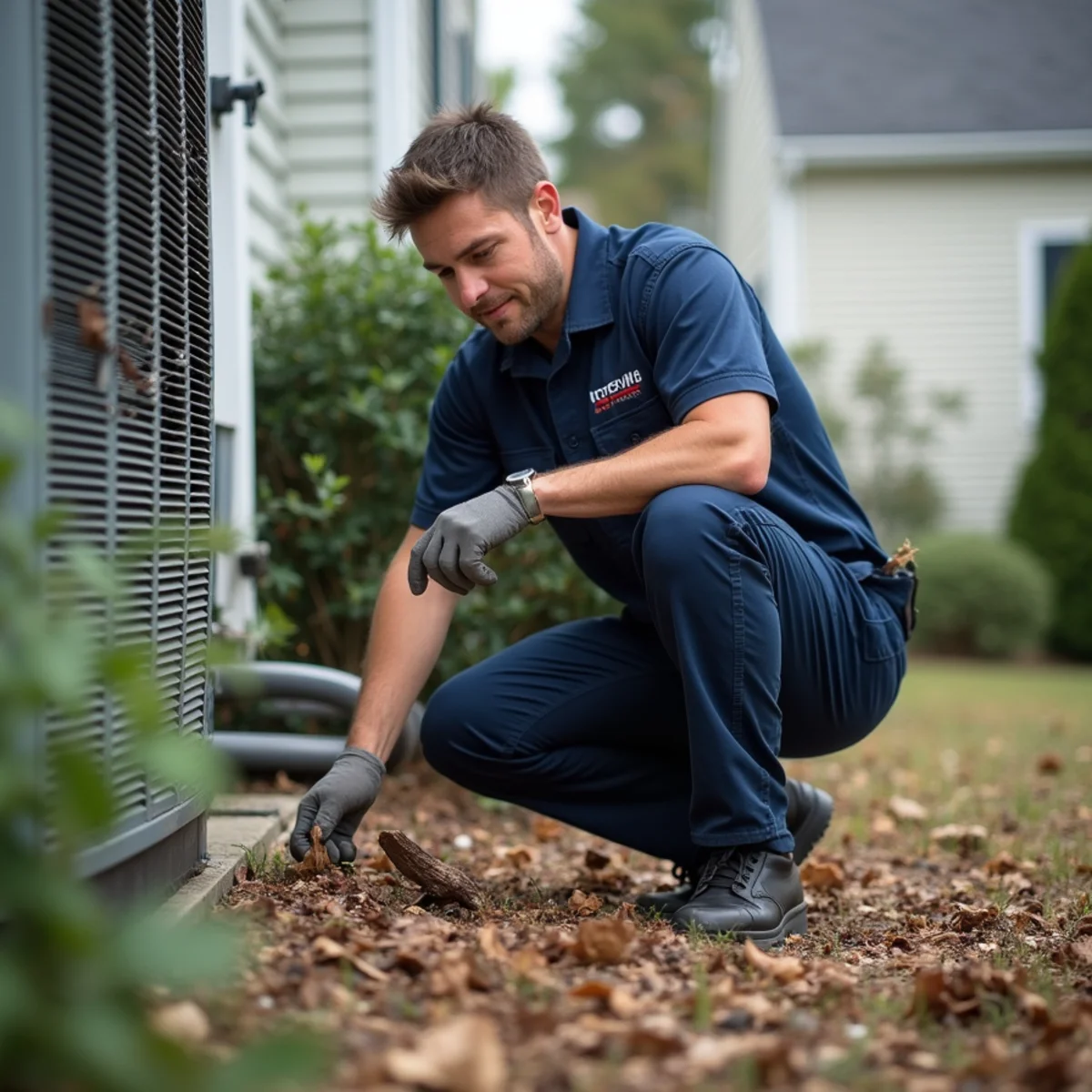
The condenser outside is built to live in the weather, but not to take a direct hit from a flying branch or lawn furniture. Before a storm, walk your yard and secure or bring in anything that could become a projectile. Clear branches that overhang the unit.
Do not cover the condenser with a tarp or plastic if the system might run, because that traps moisture and blocks airflow. A breathable, fitted cover made for HVAC use is fine when the unit is off for the season, but during storm season it is better to simply clear the area and let the unit breathe.
Flooding and the Neighborhoods Most at Risk
Flooding is the damage you cannot undo. If floodwater rises above the base of an outdoor condenser or into a basement or crawlspace where the furnace and air handler live, that equipment is likely compromised. Water carries grit and contaminants into bearings, electrical components, and gas controls.
Homes in the lower-lying parts of Stafford, including areas near Widewater and along the creeks, carry more flood risk than the higher ground around the Courthouse. If your system has been submerged even partway, do not turn it on. A submerged gas furnace or a soaked control board is a safety hazard, and it needs a professional assessment before it ever runs again.
Your Post-Storm HVAC Checklist
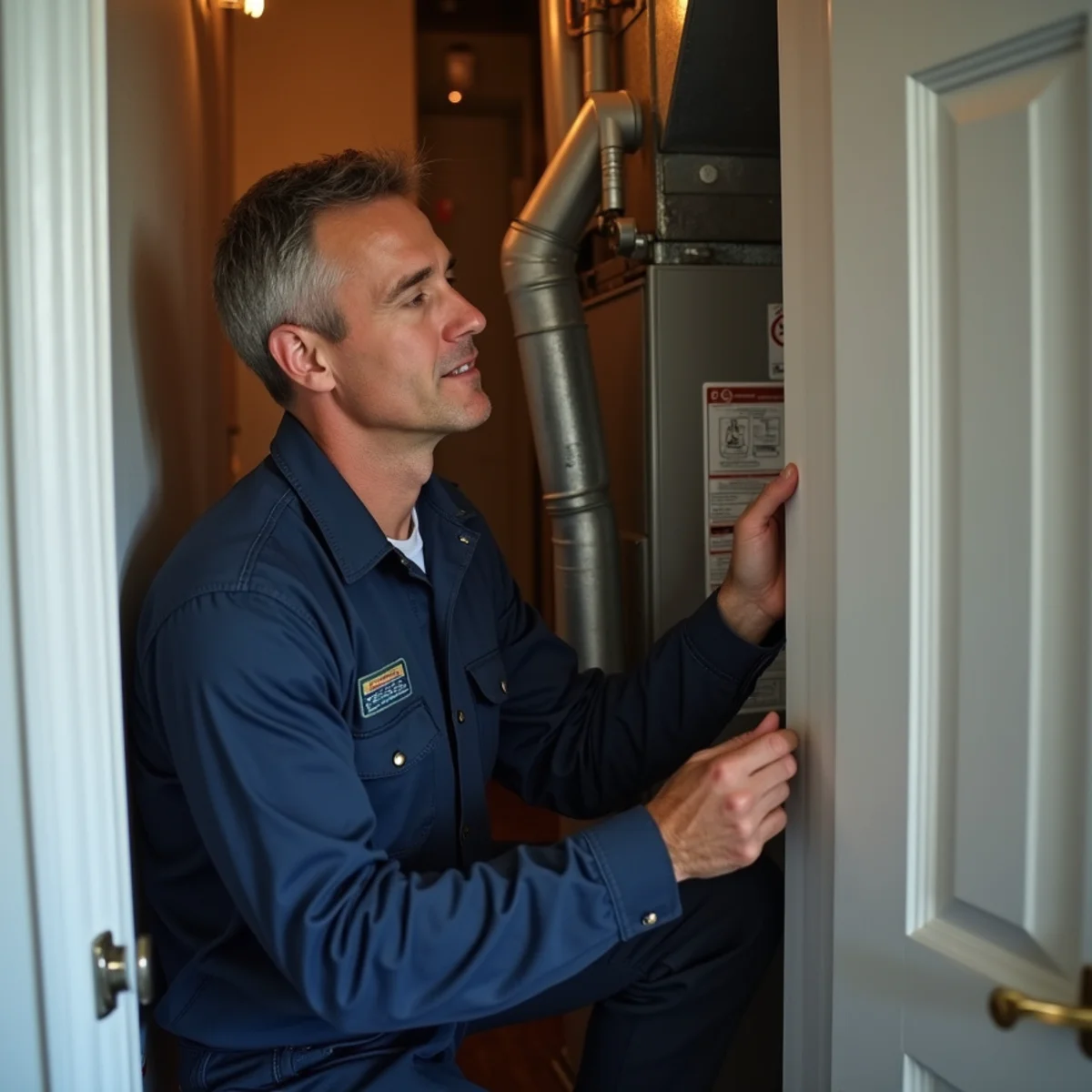
Once the weather passes and stable power returns, take a walk around your system before you fire it up. Look at the outdoor unit for dents, bent fins, debris lodged in the coil, or a shifted position on its pad. Listen for unusual grinding or rattling when it starts.
Inside, check that the thermostat powered back up correctly and holds its settings. If the system trips a breaker on restart, refuses to start, or makes new noises, shut it down. Those are signs the storm did electrical or mechanical damage that a whole-home emergency HVAC visit should evaluate before you keep running it.
When to Bring in a Technician
Some storm damage is obvious, like a crushed condenser. Much of it is hidden, a nicked control board or a compromised capacitor that will fail a week later during the next hot stretch. If your system took a direct surge, sat in floodwater, or was struck by debris, an inspection is cheap insurance against a much bigger bill.
We serve Widewater and the storm-prone corners of the county, and after a big system moves through we field a lot of calls for equipment that survived the wind but not the electrical spike. If anything about your system seems off after a storm, have it checked before you rely on it.
Related Stafford HVAC Help
Frequently Asked Questions
During a severe storm with lightning or an unstable grid, yes. Switching the system off at the thermostat and breaker protects the compressor and control board from the surge that often accompanies an outage and the moment power is restored. Wait a few minutes after stable power returns before turning it back on.
It may be. Even a few inches of floodwater can force grit and moisture into electrical components and bearings, and a submerged gas furnace is a safety concern. Do not run it. Have a licensed technician inspect it, because insurance often requires documented professional assessment before repair or replacement.
For most Stafford homes, yes. A whole-home surge protector at the electrical panel clamps the large voltage spikes that follow an outage or a nearby lightning strike, which is the most common way storms destroy compressors and control boards. It is not a guarantee against a direct lightning hit, but it is inexpensive insurance for equipment that costs thousands to replace. Ask about pairing it with a dedicated protector at the condenser for another layer of defense.
Stafford's storm season is a genuine threat to your HVAC system, and the danger is not just the wind and water you can see but the power surge you cannot. Turning the system off during outages, clearing the outdoor unit, and doing a careful post-storm inspection protects one of the most valuable systems in your home.
If a storm has knocked out your power or left your HVAC acting strangely, call HVAC Stafford VA at +1 (327) 210-5999 and we will make sure it is safe before you depend on it again.
Call +1 (327) 210-5999