Carbon monoxide is a colorless, odorless gas that a malfunctioning gas furnace can produce, and it can be deadly. The single most important rule comes first: if your carbon monoxide alarm sounds, or anyone in the home has a headache, dizziness, nausea, or confusion, get everyone and your pets outside into fresh air immediately and call 911 from outside. Do not stop to investigate. The same goes for a gas odor, leave the house and call your gas utility and 911 from a safe distance.
Winter is when the risk peaks in Stafford homes, because furnaces run hard, windows stay shut, and problems that were dormant all summer show up under load. The reassuring part is that carbon monoxide danger from a furnace is highly preventable with working detectors, annual professional maintenance, and knowing the warning signs. This guide covers how to protect your household, what to watch for, and exactly what to do if something goes wrong.
How a Furnace Can Produce Carbon Monoxide
A gas furnace burns fuel to create heat, and that combustion is supposed to be safely contained inside the heat exchanger and vented out of the house through the flue. Carbon monoxide becomes a danger when something disrupts that clean, vented burn. The most serious cause is a cracked heat exchanger, where combustion gases can escape into the air your blower pushes through the house.
Other causes include a blocked or disconnected flue or vent pipe, a bird or debris blocking the chimney, poor combustion from a dirty or misadjusted burner, or a furnace running in a space without enough fresh air for complete combustion. Any of these can let carbon monoxide build up indoors. Because you cannot see or smell it, detectors and professional inspection are the only reliable defenses.
Warning Signs You Should Never Ignore
The symptoms of carbon monoxide poisoning mimic the flu but without a fever, and they often affect several people and pets in the home at once, easing when they leave the house and returning when they come back. That pattern is a major red flag. Watch for these physical and equipment warning signs:
- Headache, dizziness, nausea, shortness of breath, confusion, or unusual drowsiness, especially if more than one person or a pet feels it
- Symptoms that improve when you leave the house and come back when you return
- A furnace burner flame that is yellow or flickering instead of crisp and blue
- Soot, scorching, or staining around the furnace, vents, or flue
- Excessive moisture or condensation on windows near the furnace
- A stale, stuffy, or back-drafting smell when the furnace runs
What to Do If Your CO Alarm Sounds
Treat a sounding carbon monoxide alarm as the real thing every single time, never as a false alarm to be silenced. Get everyone, including pets, out of the house and into fresh air right away, then call 911 from outside. Do a head count to be sure nobody is still inside, and if anyone has symptoms, tell the dispatcher.
Do not go back inside to open windows, shut off the furnace, or hunt for the source, that is what emergency responders and your gas utility are trained and equipped to do safely. Stay out until professionals test the air and tell you it is safe to return. Only after the home is cleared should you arrange for a licensed HVAC technician to find and repair whatever caused the furnace to produce carbon monoxide.
Detector Placement and Maintenance
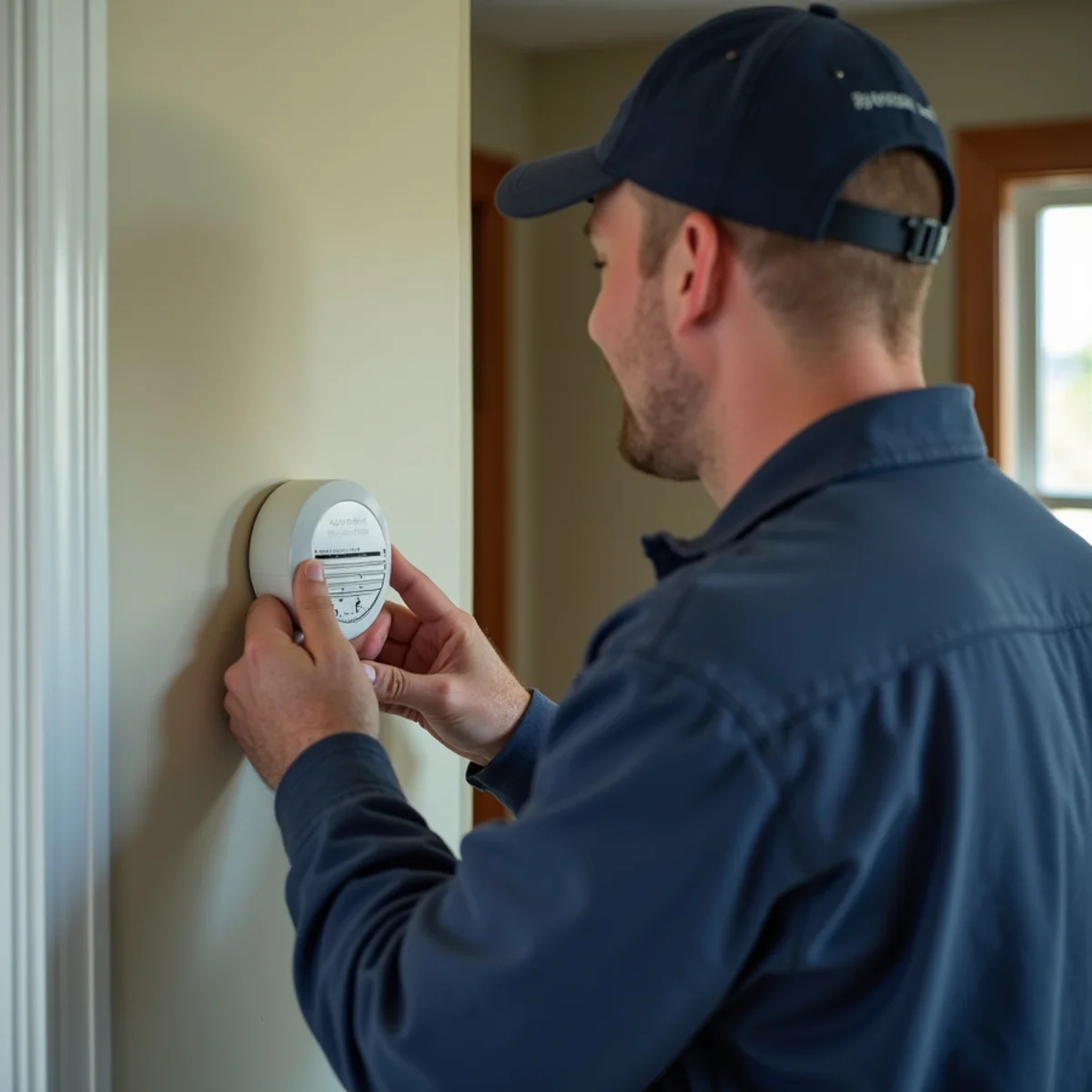
Working carbon monoxide detectors are the one thing that reliably protects a sleeping household, because the gas gives no warning on its own. Virginia homes with fuel-burning appliances should have detectors on every level and near sleeping areas so an alarm will wake everyone. Proper placement and upkeep make all the difference:
Mount a detector on each floor, including the basement, and within earshot of every bedroom so it can wake sleepers. Keep detectors a few feet away from the furnace itself and from bathrooms to avoid nuisance alarms, and follow the manufacturer's height guidance. Test every detector monthly with the test button, replace the batteries at least yearly, and replace the entire detector every five to seven years, they have a limited sensor life and an expired unit can fail silently. Combination smoke and CO alarms are fine as long as they are maintained on the same schedule.
- Install a CO detector on every level of the home, including the basement
- Place one within earshot of each sleeping area so it wakes everyone
- Keep detectors a few feet from the furnace and bathrooms to prevent nuisance alarms
- Test monthly, change batteries yearly, and replace the whole unit every 5 to 7 years
Prevention: Annual Maintenance Is the Real Fix
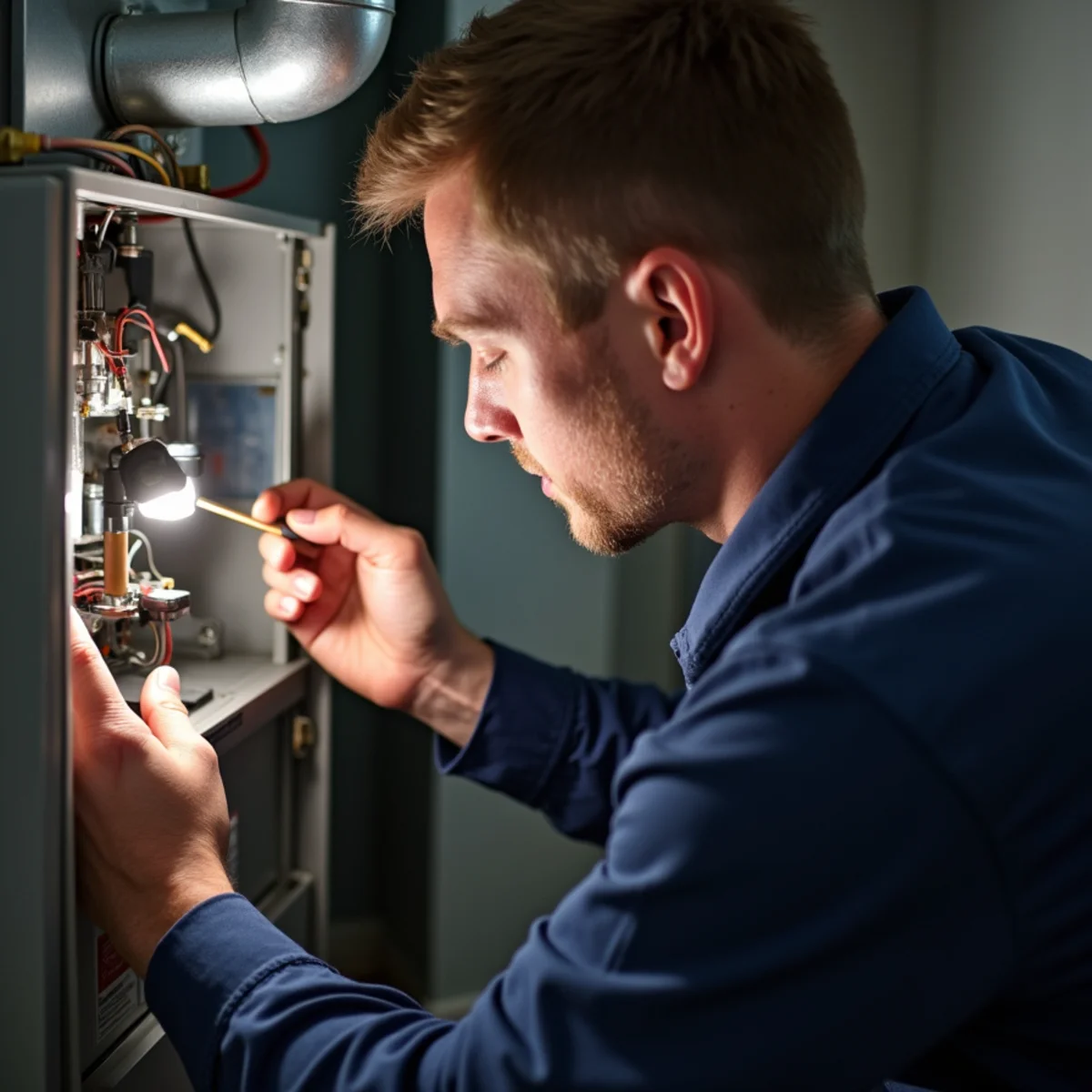
Detectors are your safety net, but the goal is to never set one off. The most effective prevention is a professional furnace inspection every year, ideally in the fall before heating season. During that visit, a licensed technician inspects the heat exchanger for cracks, tests the burners and flame, confirms the flue and venting are clear and intact, checks for proper combustion air, and verifies the furnace is burning cleanly and safely.
Between visits, keep the area around your furnace clear, change your filter regularly so the system is not straining, and never run any unvented combustion device, a gas range for heat, a generator, or a grill, indoors or in an attached garage. These simple habits, paired with yearly service, eliminate the large majority of furnace-related carbon monoxide risks in Stafford homes.
When to Call a Stafford HVAC Professional
After any CO alarm has been cleared by emergency responders, call a licensed HVAC technician before you run the furnace again, so the underlying fault is found and fixed. Also call promptly if you notice a yellow burner flame, soot or staining around the furnace, a furnace that has not been inspected in over a year, or any of the warning signs above short of an active alarm.
A professional has the instruments to measure carbon monoxide, inspect the heat exchanger, and verify safe combustion and venting, things no homeowner can confirm by eye. If a furnace is found to be producing carbon monoxide, it needs emergency furnace repair before it runs again. Your family's safety is not a place to take chances, and a trained technician gives you a clear, documented answer.
Related Stafford HVAC Help
Frequently Asked Questions
Never assume it is false. Carbon monoxide is odorless and its effects can build before you feel them, and symptoms do not always come first. Get everyone and your pets outside into fresh air and call 911 from outside every time an alarm sounds. Let emergency responders test the air and tell you when it is safe to return before you go back in.
Once a year, ideally in the fall before heating season. A licensed technician inspects the heat exchanger, burners, flame, flue, and venting and confirms the furnace is burning cleanly and venting safely. Annual professional maintenance is the single most effective step you can take to prevent carbon monoxide problems from a gas furnace.
Put a detector on every level, including the basement, and within earshot of each sleeping area so an alarm will wake everyone. Keep them a few feet from the furnace and bathrooms to avoid nuisance alarms, follow the manufacturer's guidance, test monthly, change batteries yearly, and replace the whole unit every five to seven years.
Carbon monoxide from a furnace is a serious hazard, but it is also one of the most preventable. Working detectors on every level, an annual professional inspection, and knowing the warning signs protect your household through every Stafford winter. And the one rule that matters most never changes: if an alarm sounds or anyone feels ill, get outside and call 911 first, investigate never.
If you have had a CO alarm, notice a yellow burner flame or soot, or your furnace is overdue for inspection, do not wait and do not run it on a guess. Call HVAC Stafford VA at +1 (327) 210-5999 and we will send a licensed technician to inspect your furnace, confirm it is burning safely, and give your family peace of mind.
Call +1 (327) 210-5999