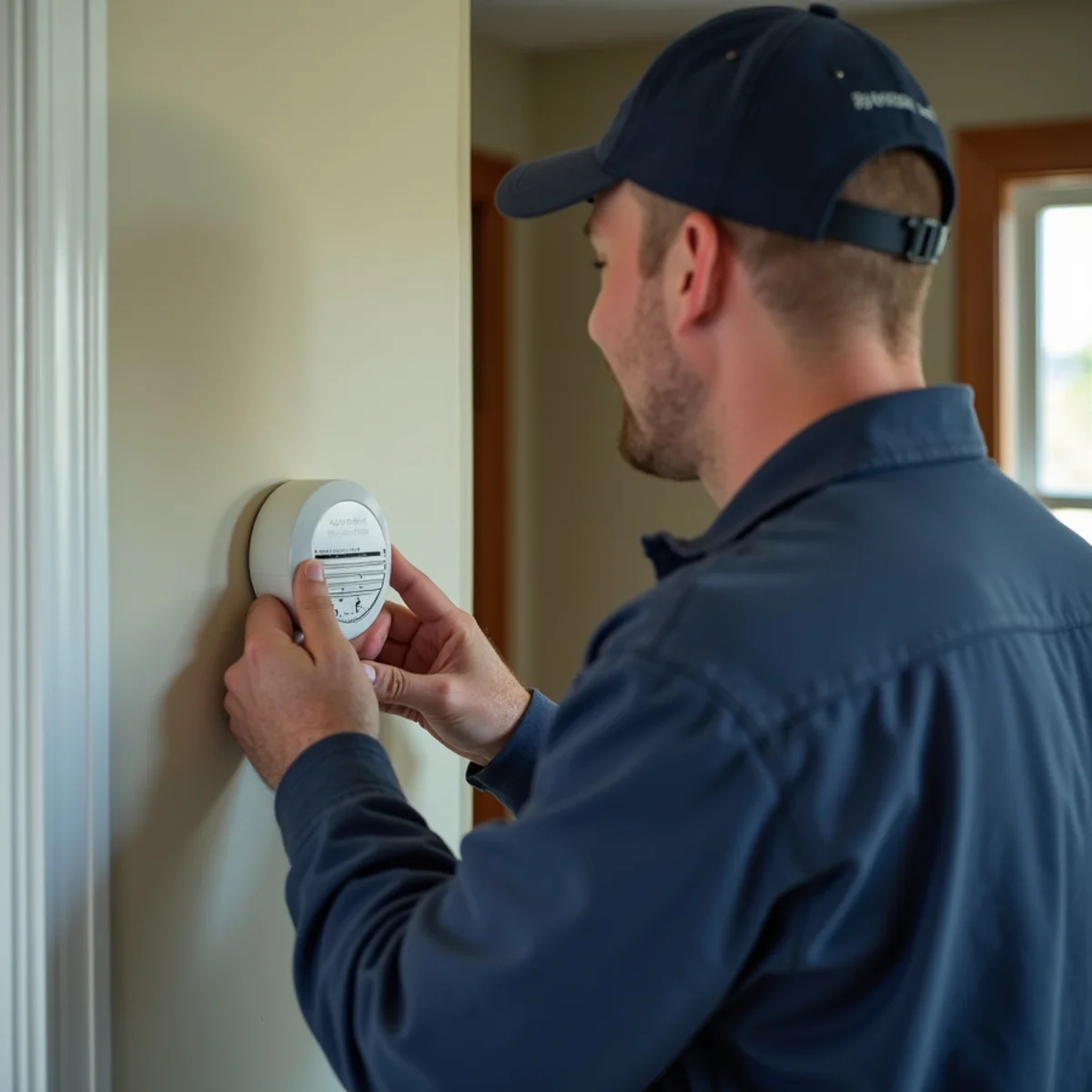
If your furnace is blowing cold air, the most common and most harmless reason is simple: the fan is set to ON instead of AUTO, so the blower runs constantly and pushes unheated air between heating cycles. Switch your thermostat fan to AUTO and the cold-air complaint disappears for a lot of Stafford homeowners. If that is not it, the next likely causes range from a dirty filter or a tripped flame sensor to a problem that needs a professional.
A furnace that briefly blows cool air at the very start of a cycle, then warms up, is behaving normally, it takes a minute for the heat exchanger to come up to temperature. A furnace that only ever blows cold, short-cycles, or quits mid-cycle has a real fault. This guide explains each cause, what you can safely check, and the warning signs that mean you should stop and call. One rule comes first: if you ever smell gas, leave the house and call from outside.
Check the Thermostat Fan Setting First
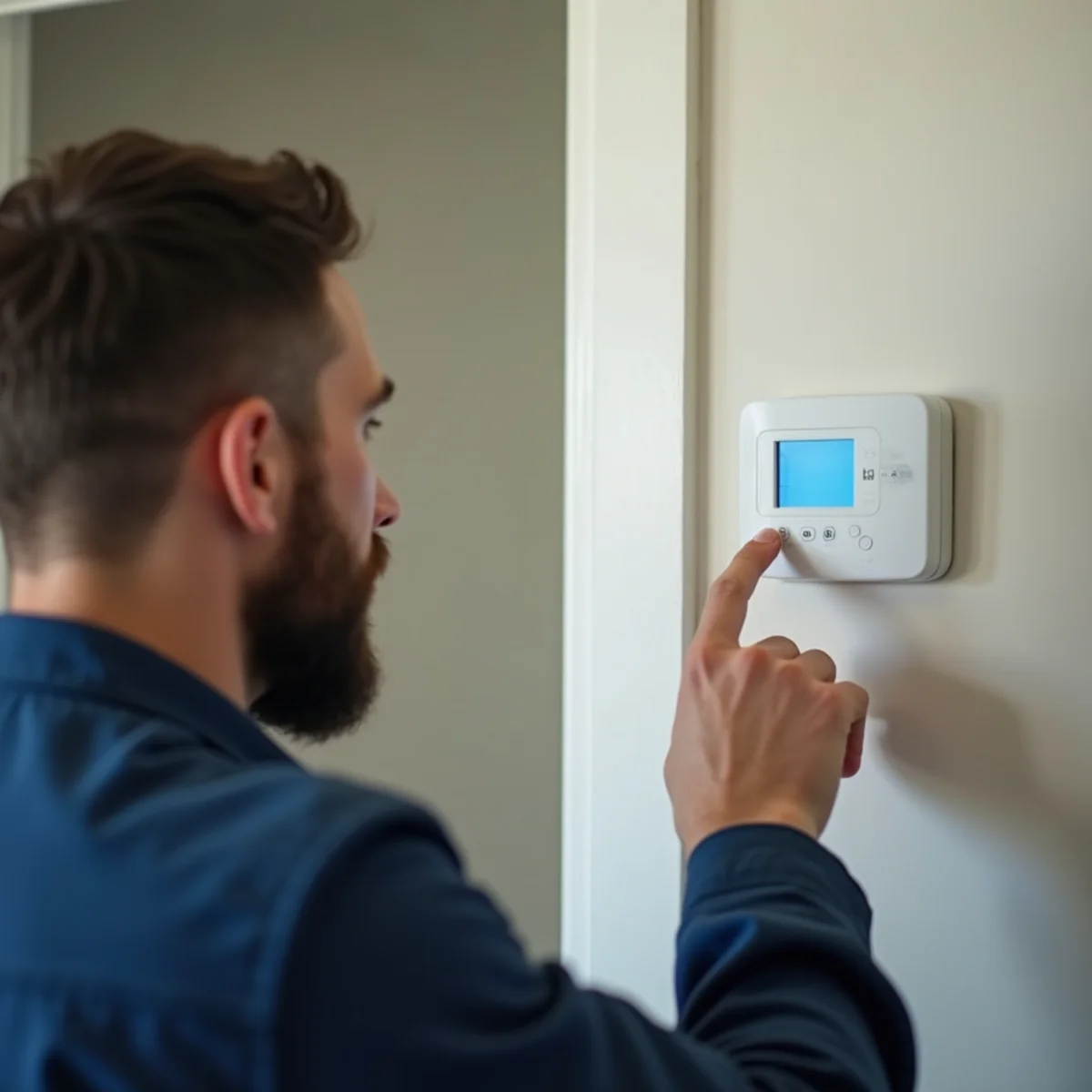
This is the fix that solves the most false alarms. On your thermostat, the fan has two settings: AUTO and ON. On AUTO, the blower only runs when the furnace is actively making heat. On ON, the blower runs around the clock, which means that between heating cycles it is blowing room-temperature or cool air through your vents. People often feel that air, assume the furnace failed, and call for service.
Set the fan to AUTO and the mode to HEAT, then raise the setpoint a few degrees above the room temperature so the furnace has a clear call to run. Give it a minute, the air from the vents should turn warm. If it does, your furnace is fine and the fan setting was the culprit all along.
A Dirty Filter Choking the Heat Exchanger
A clogged air filter is one of the most common causes of real furnace trouble in Stafford homes, especially in winter when windows stay shut and dust builds up. When the filter is packed, airflow across the heat exchanger drops, the furnace overheats, and a safety limit switch shuts the burners off, while the blower keeps running and pushes cold air.
Pull your filter and hold it up to a light. If you cannot see light through it, replace it. A fresh filter costs a few dollars and resolves a real share of cold-air and short-cycling complaints. Make it a habit to check the filter monthly during heating season, and keep return and supply vents clear of furniture and rugs so the furnace is not starving for air.
Flame Sensor, Pilot, and Ignition Problems
Modern furnaces light the burners and then confirm the flame with a flame sensor. Over a season, that sensor gets coated with a thin layer of residue and stops detecting the flame reliably. When it fails to confirm, the furnace shuts the gas off as a safety measure, but the blower may keep running, so you get cold air. This often shows up as a furnace that lights briefly, then blows cold.
On older units with a standing pilot light, a pilot that has gone out will do the same thing. Relighting a pilot can be safe if your furnace has clear instructions on the unit, but a flame sensor needs cleaning by a technician, and a furnace that repeatedly loses its flame should be inspected. Here is a safe sequence before you call:
- Confirm the thermostat is on HEAT with the fan on AUTO and the setpoint raised above room temperature
- Replace the air filter if it is dirty and reopen any closed vents
- Make sure the furnace power switch is ON and the gas shutoff valve is open
- If your furnace has a standing pilot and you have the manufacturer's relight instructions on the unit, follow them exactly, otherwise leave ignition to a pro
Condensate and Drainage Issues on High-Efficiency Furnaces
If you have a high-efficiency condensing furnace, common in newer Stafford and Brooke area homes, it produces water as a byproduct of combustion, and that water drains through a small line and trap. When the condensate line or trap clogs, a pressure switch senses the blockage and shuts the burners down to keep the unit safe. The blower may still run, delivering cold air.
A clogged condensate trap is sometimes a homeowner-visible problem, you may see water pooling near the furnace, but clearing and resetting it safely is usually best left to a technician, because it means confirming the pressure switch and venting are working correctly. If your high-efficiency furnace keeps shutting down, this is a likely suspect worth mentioning when you call.
Safety First: Gas Odor and Carbon Monoxide
Troubleshooting a furnace stops the moment safety is in question. If you smell gas, a sharp rotten-egg odor, do not flip switches, do not search for the source, and do not relight anything. Get everyone out of the house, leave the door open, and call your gas utility and 911 from outside. The same goes for any symptoms of carbon monoxide: headache, dizziness, nausea, or a carbon monoxide alarm sounding. Leave the house and call for help.
A furnace that is blowing cold air is almost never a safety emergency by itself, but the heating season is exactly when carbon monoxide risks rise, so working alarms matter. If anything about your furnace smells, sounds, or feels wrong, err toward caution. It is always better to step outside and make a call than to keep troubleshooting a gas appliance you are unsure about.
When to Call a Stafford Furnace Technician
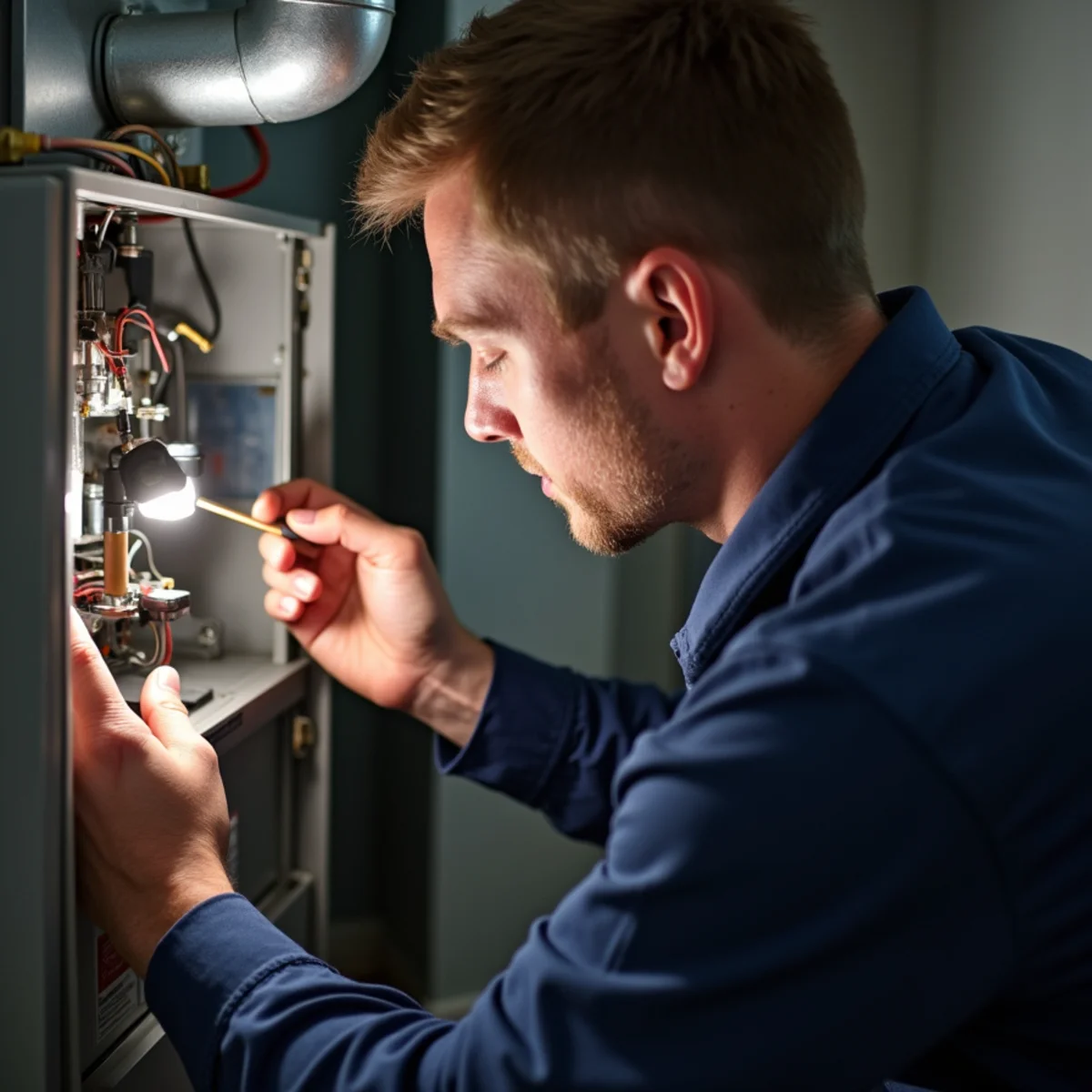
Call a licensed technician if the furnace blows cold after you have set the fan to AUTO and replaced the filter, if it short-cycles, if it lights and then loses its flame, or if a high-efficiency unit keeps shutting down. A flame sensor that needs cleaning, a faulty igniter, a bad limit or pressure switch, or a cracked heat exchanger all require professional diagnosis.
A proper furnace service includes testing the ignition and flame sensor, checking the limit and pressure switches, inspecting the heat exchanger for cracks, and confirming safe combustion and venting. On a cold Stafford night, a furnace that will not heat can let pipes freeze, so fast emergency furnace repair exists for exactly this. Do not keep running a furnace that is clearly malfunctioning.
Related Stafford HVAC Help
Frequently Asked Questions
Yes. When a furnace first fires, it takes a minute or two for the heat exchanger to warm up before the blower delivers hot air. A short burst of cool air at the very start of a cycle that quickly turns warm is normal. Cold air that never warms, or that comes between cycles, points to the fan setting or an actual fault.
No. Setting the fan to ON keeps the blower running constantly, so between heating cycles it circulates cool air and makes the house feel drafty, which is often mistaken for a broken furnace. For normal heating, keep the fan on AUTO so the blower only runs when the burners are actively producing heat.
Treat it as an emergency. Do not touch any switches, do not relight the furnace, and do not search for the leak. Get everyone out of the house, leave a door open, and call your gas utility and 911 from outside. Only go back in once professionals say it is safe. A gas odor is never something to troubleshoot on your own.
A furnace blowing cold air is often an easy fix, the fan was set to ON, or the filter was clogged and tripped a safety limit. Setting the fan to AUTO, swapping the filter, and confirming the thermostat is on HEAT solves a real share of winter cold-air calls across Stafford.
When the furnace short-cycles, loses its flame, or a high-efficiency unit keeps shutting down, those are jobs for a licensed technician, and any gas odor or carbon monoxide symptom means leave the house and call from outside first. For everything else, call HVAC Stafford VA at +1 (327) 210-5999 and we will get your heat working safely again, day or night.
Call +1 (327) 210-5999