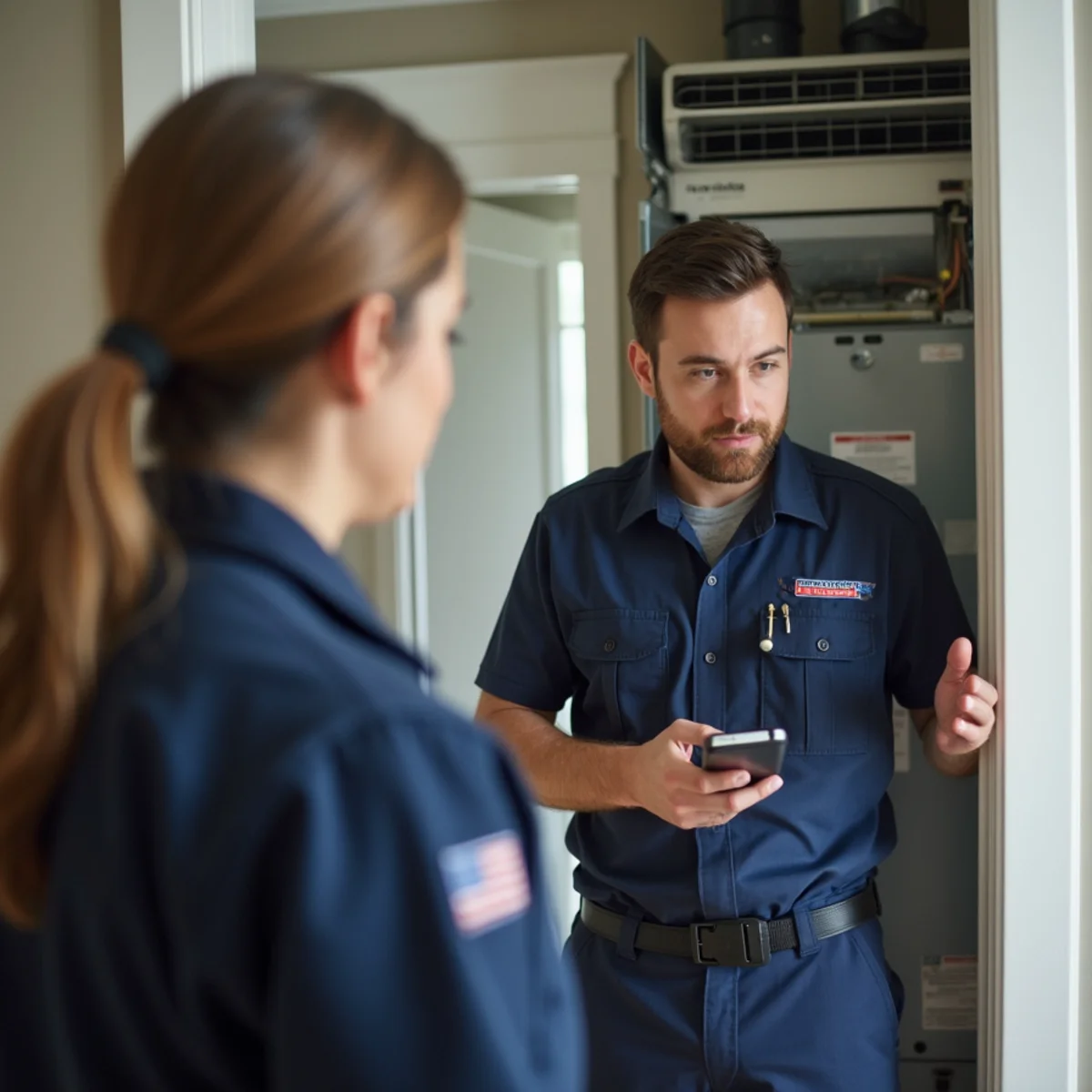
Stafford's first cold snap tends to arrive before anyone is ready. The furnace has been off since March, and the day you finally call for heat is the day you discover the igniter failed or the heat pump won't switch over. A fall checklist gets ahead of that so your family stays warm when the temperature drops and the ice storms roll in.
Whether you run a gas furnace, a heat pump, or a dual-fuel system, fall is the time to check it. This is the routine we walk Stafford homeowners through every autumn, split between what you can handle and what needs a professional.
Homeowner steps to do before the first cold night
These take an afternoon and head off the most common first-cold-day failures. Do them on a mild day so a problem you find is an inconvenience, not an emergency.
- Replace the furnace filter with a fresh one
- Run the heat for 15 minutes and confirm warm air at the vents
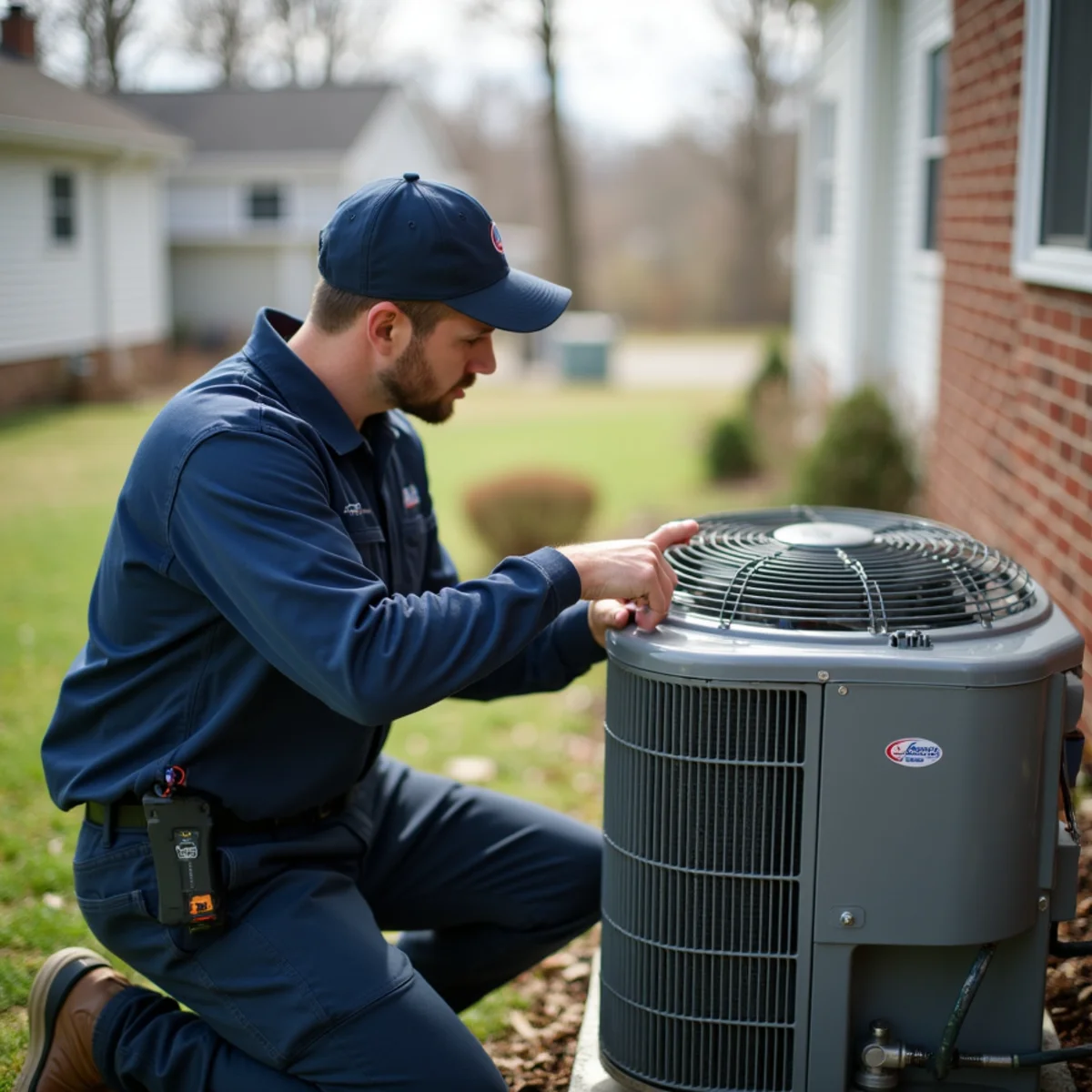
- Clear the outdoor heat pump of leaves, pine straw, and debris
- Check that vents and returns are open and unobstructed
- Test your smoke and carbon monoxide detectors and replace batteries
- Note any burning smell on first startup that does not clear in minutes
The first-startup burning smell, and when to worry
When you first fire the furnace in fall, a brief burning or dusty smell is normal. It is dust burning off the heat exchanger after months of sitting idle, and it should clear within ten or fifteen minutes. That is not a cause for alarm.
What is a concern is a smell that lingers, an electrical or acrid odor, or any smell of gas. Those mean shut the system down and call for service. A persistent burning smell can signal an overheating component or a wiring problem, and the smell of gas is a reason to leave and call from outside.
What the professional heating check finds
The safety-critical parts of a furnace inspection require tools and training. This is where a fall heating check earns its cost, especially on gas equipment where safety is on the line.
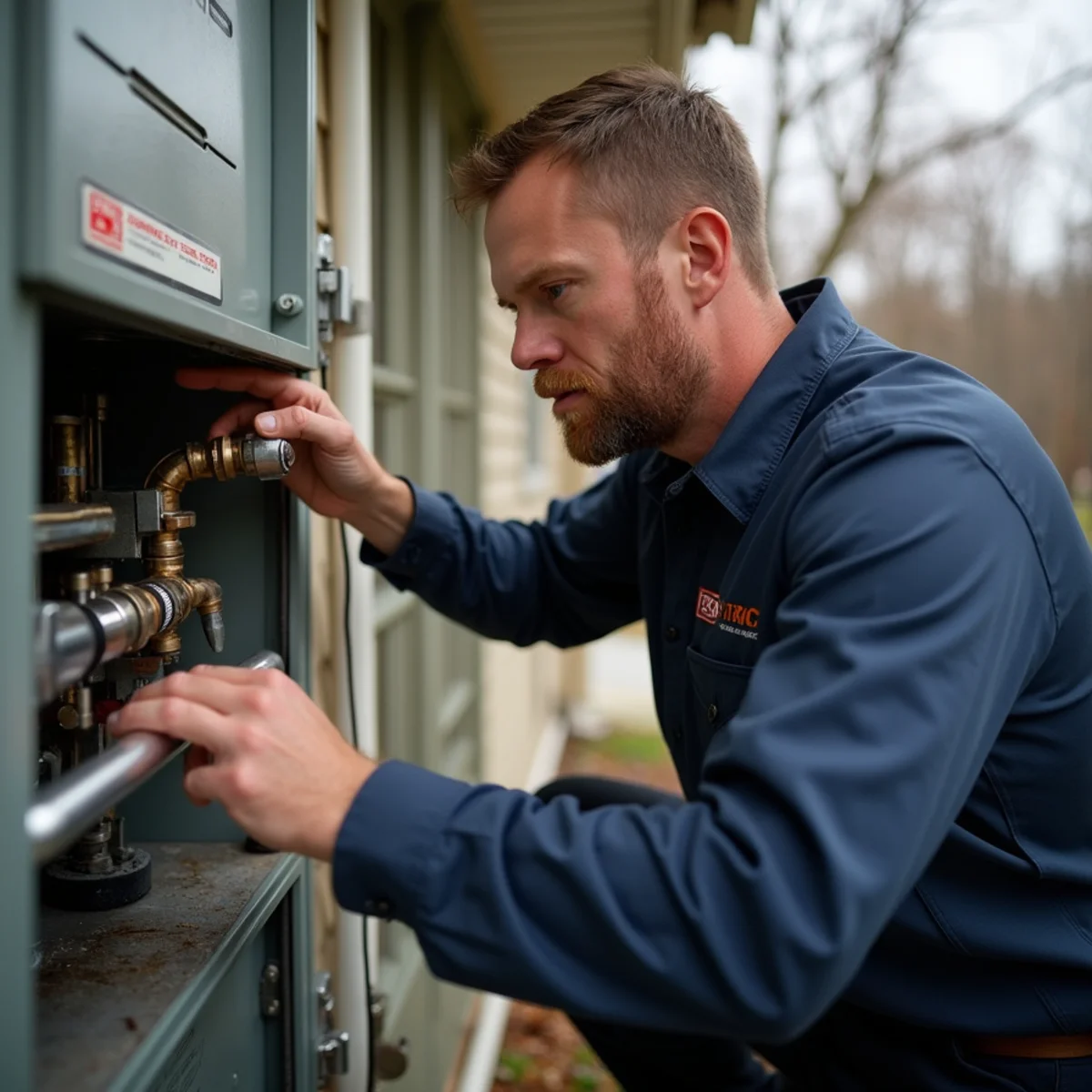
On a gas furnace we inspect the heat exchanger for cracks, test the igniter and flame sensor, check the gas pressure and combustion, and verify the safety controls. A cracked heat exchanger can leak carbon monoxide, so this check is not optional. On a heat pump we verify the defrost cycle, confirm the backup heat engages, and check the refrigerant charge for winter operation.
- Heat exchanger inspected for cracks (carbon monoxide risk)
- Igniter, flame sensor, and safety controls tested
- Gas pressure and combustion verified
- Heat pump defrost cycle and backup heat confirmed
- Blower and airflow checked for the heating season
Get ahead of ice-storm season specifically
Stafford's winter risk is ice, not snow. When freezing rain takes down power along VA-610 or VA-630, you need a heating system that is in top shape and a plan for when the grid goes out. Fall is when you confirm both.
Make sure you know whether your backup heat is electric or gas, keep the outdoor unit accessible so you can clear ice, and have your emergency plan ready before the first storm. A system that passes its fall check is far less likely to fail on the worst night of the year.
The Safety Checks You Should Never Skip
The most important part of a fall furnace visit is the part a homeowner cannot safely do: inspecting the heat exchanger for cracks, testing the flame sensor and ignition, and confirming the flue draws properly. A cracked heat exchanger can leak carbon monoxide, so this is a safety check, not a comfort one.
We also test the limit switches, check gas pressure, and clean the burners so the furnace lights cleanly on the first cold night. Booking this in early fall means we can order any part while the weather is still mild instead of during a no-heat emergency.
- Heat exchanger inspected for cracks
- Flame sensor and ignition tested
- Flue draft and gas pressure verified
- Limit and safety switches checked
- Burners cleaned and blower inspected
Related Stafford HVAC Help
Frequently Asked Questions
A brief dusty or burning smell on the first startup of the season is normal dust burning off the heat exchanger and should clear in 10 to 15 minutes. A lingering, electrical, or acrid smell, or any gas odor, is not normal. Shut the system down and call for service.
Yes. Winter puts different demands on a heat pump, especially the defrost cycle and backup heat, which do not run in cooling mode. A fall check confirms those work before you rely on them, along with the refrigerant charge needed for good cold-weather performance.
Aim for September or October, before the first hard freeze fills the schedule. Servicing early means any parts a furnace needs can be ordered while the weather is still mild, instead of during a no-heat emergency.
A furnace or heat pump that fails on the first freezing night is a miserable, avoidable surprise. Handle the homeowner basics, watch for the warning smells, and get a professional heating check on the books before ice-storm season starts.
HVAC Stafford VA performs fall heating inspections on furnaces and heat pumps across the county. Call +1 (327) 210-5999 to schedule yours before the cold sets in.
Call +1 (327) 210-5999