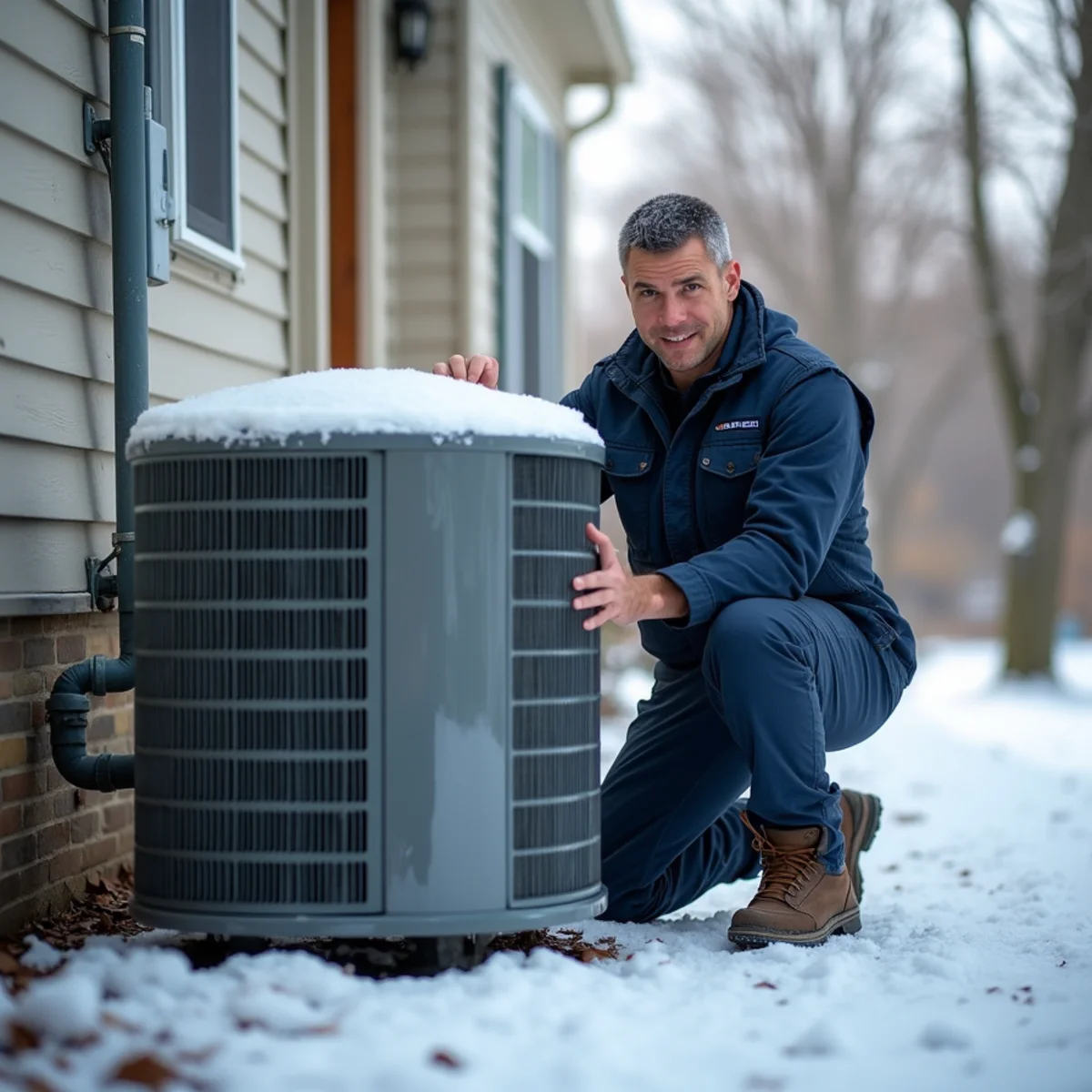
Water and HVAC equipment do not mix, and parts of Stafford sit close enough to the Rappahannock, Aquia Creek, and the Widewater peninsula that flooding and chronic dampness are real considerations. A furnace in a low basement or a condenser at grade in a flood-prone yard can be ruined by a single storm surge or a slow season of standing water.
This is not about panic. It is about a few practical protections that cost far less than replacing a drowned system. If your home in Falmouth, Widewater, or any low-lying stretch near the water has ever seen water in the yard or crawlspace, this one is for you.
Why flood water destroys HVAC equipment, not just wets it
People assume a flooded unit can dry out and keep running. It rarely works that way. Flood water carries silt, debris, and often sewage. It corrodes electrical contacts, contaminates the blower motor and control board, and leaves grit inside the compressor and coils. Even after it dries, corrosion keeps working and the system fails weeks or months later.
Insurance and manufacturers generally consider a submerged gas furnace or heat pump a total loss for safety reasons. A control board that got wet can fail in a way that damages other components or creates a hazard. The safe call after a submersion is replacement, not a gamble on drying it out.
Elevate what you can: condensers and air handlers
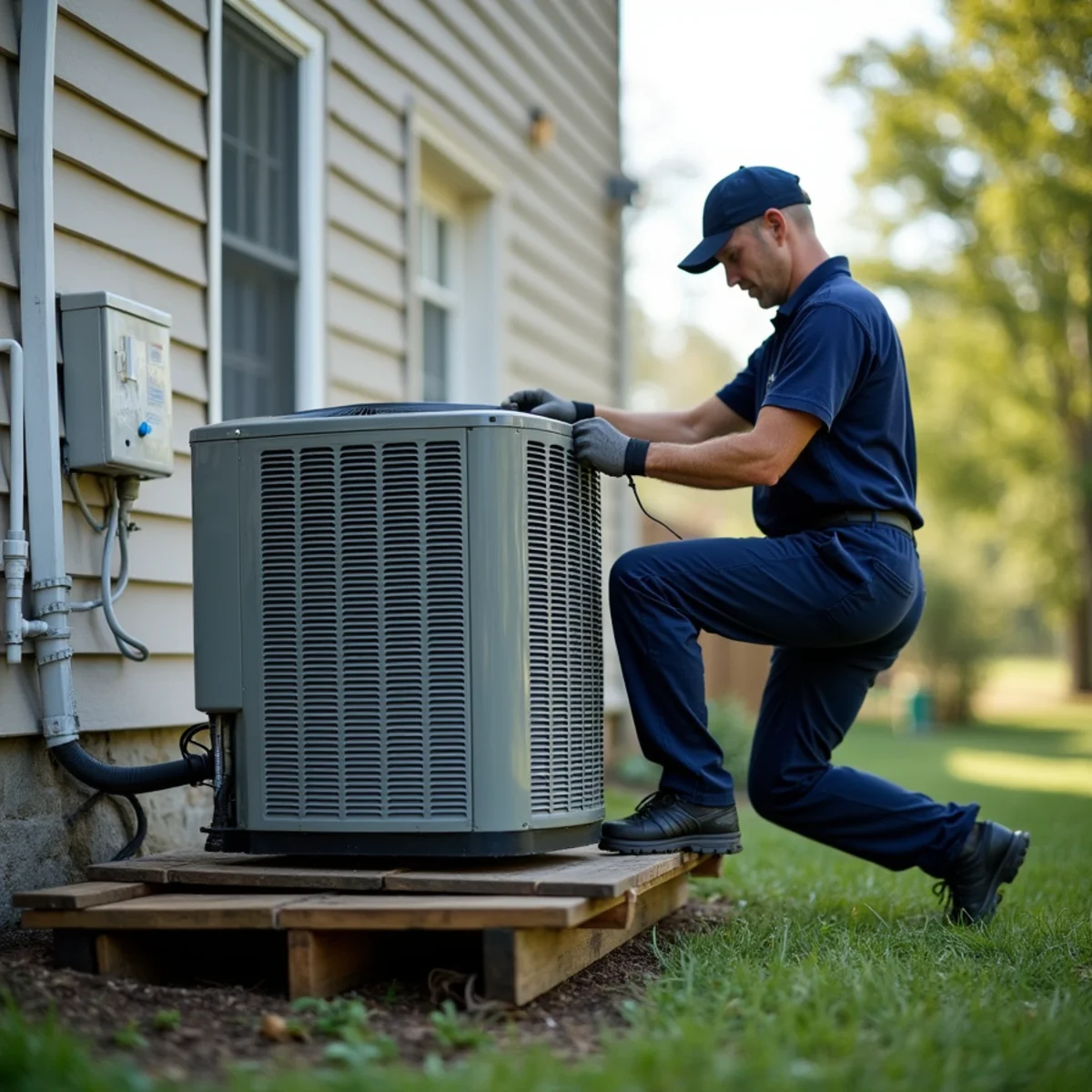
The single most effective protection is height. Outdoor condensers can be mounted on raised platforms or brackets above the local flood level. Indoor air handlers and furnaces in flood-prone basements can sometimes be relocated to a higher floor or set on a raised housekeeping pad.
For homes near Widewater and the tidal reaches, we look at the base flood elevation for the property and set equipment above it wherever the layout allows. It is not always possible to move a whole furnace, but raising the condenser and protecting the electrical components goes a long way.
- Mount the outdoor condenser on an elevated stand above the flood line
- Raise the air handler or furnace onto a housekeeping pad where feasible
- Move the electrical disconnect and any low controls above expected water levels
- Seal and slope the area around outdoor equipment to shed water away
The bigger daily threat: chronic humidity and crawlspace moisture
Most flood-plain homes never actually flood. What they do get, every summer, is relentless moisture. A damp crawlspace under a Falmouth home pushes humid air up into the ductwork and living space. That leads to musty smells, sweating ducts, mold on floor joists, and an AC that can't keep the house comfortable no matter how low you set it.
The fix is moisture management, not just cooling. Sealing and conditioning the crawlspace, insulating and sealing ducts that run through it, and adding dehumidification keeps the whole system healthier and the air cleaner. This is where most flood-plain homeowners get real day-to-day payback.
After a flood: the safe restart sequence
If water reaches your equipment, do not power it back on to see if it works. That is how a wet control board turns into a fire risk or a fried compressor. Shut off power at the disconnect and the breaker, keep gas off if the furnace was submerged, and have the system evaluated before anything is energized.
We inspect flood-affected systems, document the damage for insurance, and give you a straight repair-versus-replace answer in writing. When replacement is the safe call, we size the new equipment correctly and set it up to survive the next event better than the last one.
After the Water Recedes: What to Check Before Restarting
If flood water has reached your equipment, do not simply switch it back on. Water-soaked electrical components, gas valves, and control boards can short, spark, or fail dangerously, and a compressor that ingested water will not survive a restart. The safe sequence is to leave the power off at the breaker and have the system inspected before it runs again.
A proper post-flood inspection checks the electrical and control components, the condition of the furnace's gas valve and burners, insulation that may have wicked water, and whether the outdoor unit's bearings and contactors were submerged. In many cases parts of the system can be saved; in others, replacement is the only safe option. Either way, that call should be made by a technician, not by flipping the switch and hoping.
- Leave power off at the breaker until inspected
- Never restart a compressor that ingested water
- Have gas valves and control boards checked before use
- Replace insulation that wicked flood water
Related Stafford HVAC Help
Frequently Asked Questions
Sometimes, if the water was clean and stayed below the electrical components, a thorough inspection and cleaning can bring it back. If water reached the compressor terminals, contactor, or control board, replacement is usually the safe call. Have it evaluated before powering it on.
Absolutely. Most flood-plain homes suffer far more from chronic humidity than from actual flooding. A dehumidifier tied into your system controls the moisture that causes musty air, sweating ducts, and mold, and it lets your AC keep the house comfortable at a higher, cheaper setpoint.
Usually not. Standard homeowners policies exclude flood damage, so HVAC losses from rising water typically fall under a separate flood policy. That is exactly why we elevate outdoor units and protect line sets on flood-plain lots in Falmouth and Widewater — prevention is cheaper than a claim.
You cannot move your house out of the flood plain, but you can protect the equipment that keeps it comfortable. Elevating the condenser, managing crawlspace moisture, and adding dehumidification are practical steps that pay off every summer, flood year or not.
HVAC Stafford VA serves Falmouth, Widewater, and the low-lying neighborhoods near the Rappahannock. Call +1 (327) 210-5999 for a flood-risk assessment or crawlspace moisture evaluation.
Call +1 (327) 210-5999