Stafford winters are mild on average, which lulls people into complacency. Then a nor'easter drops freezing rain, or an ice storm takes down power lines along VA-610, and suddenly a whole neighborhood is cold and dark. Homeowners who lived through Hurricane Isabel and the harder ice storms since remember the lesson: heat you cannot rely on in an emergency is not really heat.
Most homes here run heat pumps, which are efficient in our mild climate but have specific cold-weather behaviors and backup needs. A little preparation before the storm season keeps your family warm when the weather turns. Here is what we tell our customers.
Know how your heat actually works before you need it
A heat pump pulls warmth from outside air, even in winter. When it gets cold enough, or during a defrost cycle, it relies on backup heat, usually electric resistance strips or a gas furnace, to keep up. Many Stafford homeowners do not know which they have or how the two work together until something goes wrong on the coldest night.
If your backup is electric strips, you are entirely dependent on the grid. Lose power and you lose all heat. If you have a gas furnace as backup or a dual-fuel system, you may still have options, though most gas furnaces need electricity for the blower and controls. Knowing your setup tells you how vulnerable you are.
Ice storms are the real threat, not snow
Snow rarely takes down Stafford's power. Ice does. Freezing rain coats power lines and tree limbs, and when those come down, outages can last hours or days. That is exactly when you need heat most, and it is when heat pumps and furnaces alike sit dead without electricity.
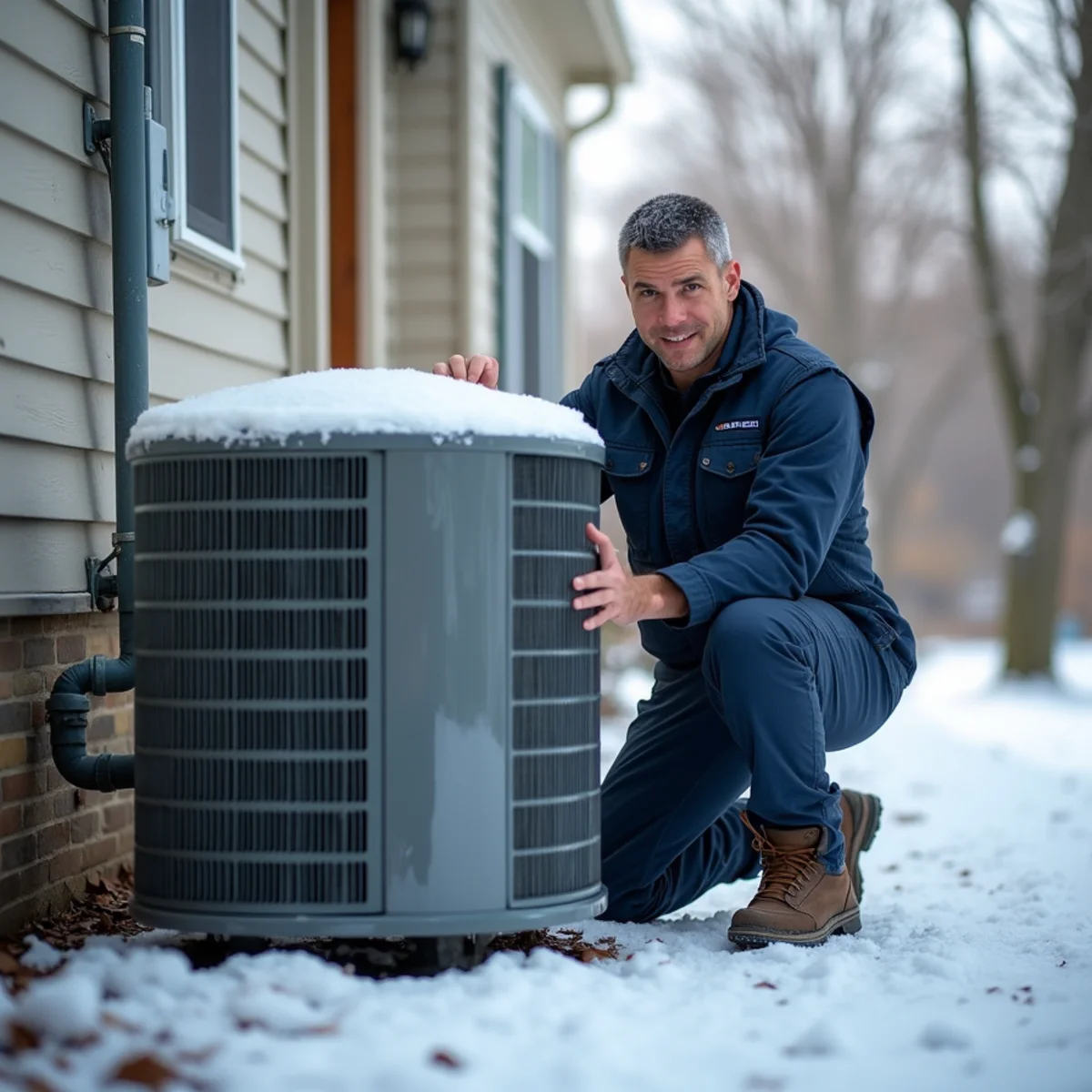
Ice also fouls the outdoor unit itself. A heat pump goes through defrost cycles to shed frost, but heavy freezing rain can overwhelm that. If the coil ices over solid or the unit gets buried, it cannot pull heat from the air. Keeping the area around the outdoor unit clear helps it ride out the storm.
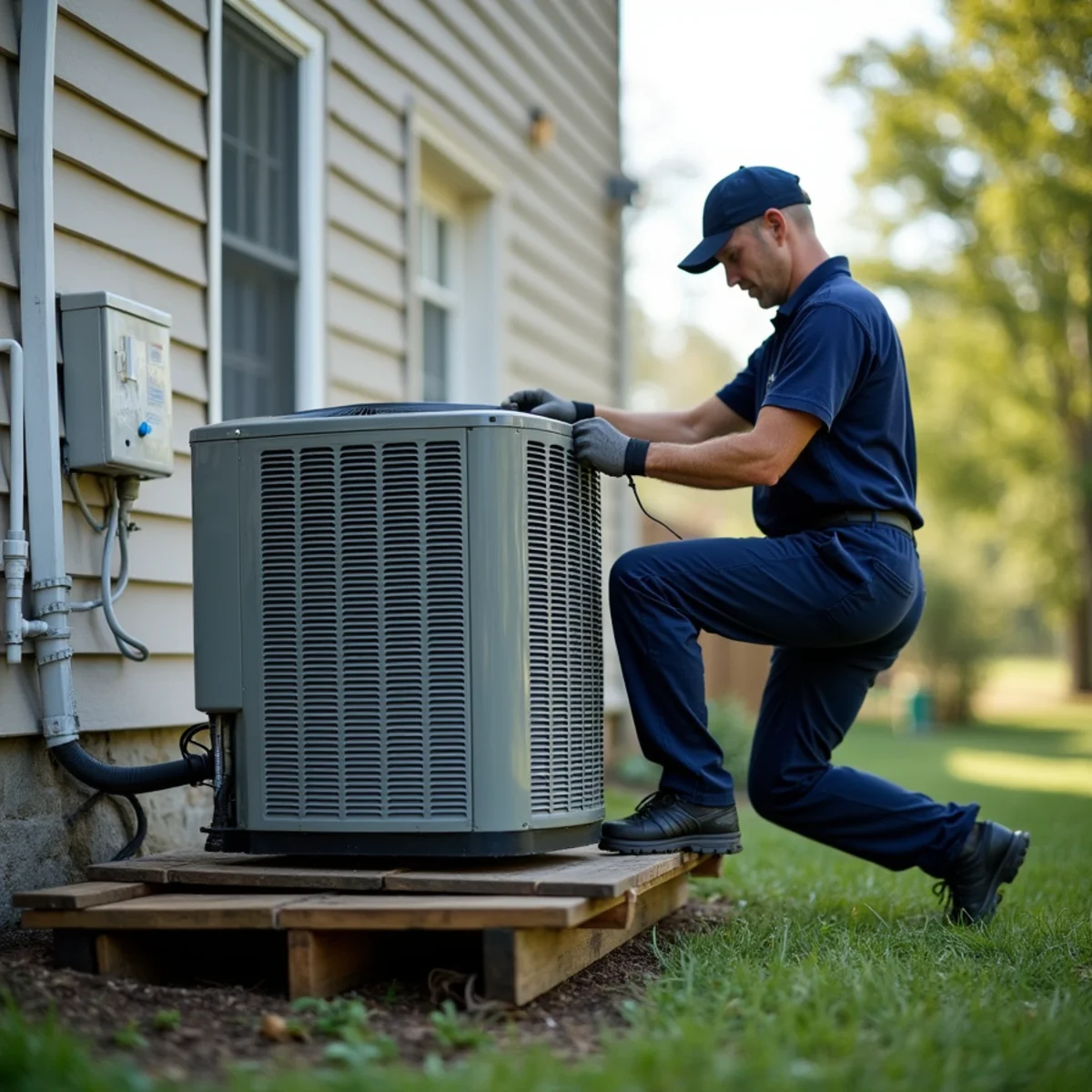
- Keep the outdoor heat pump clear of snow, ice, and debris
- Never chip ice off the coil with a sharp tool — you can puncture it
- Know whether your backup heat is electric strips or gas
- Have a safe emergency heat plan for a multi-day outage
Get the system checked before the season, not during the storm
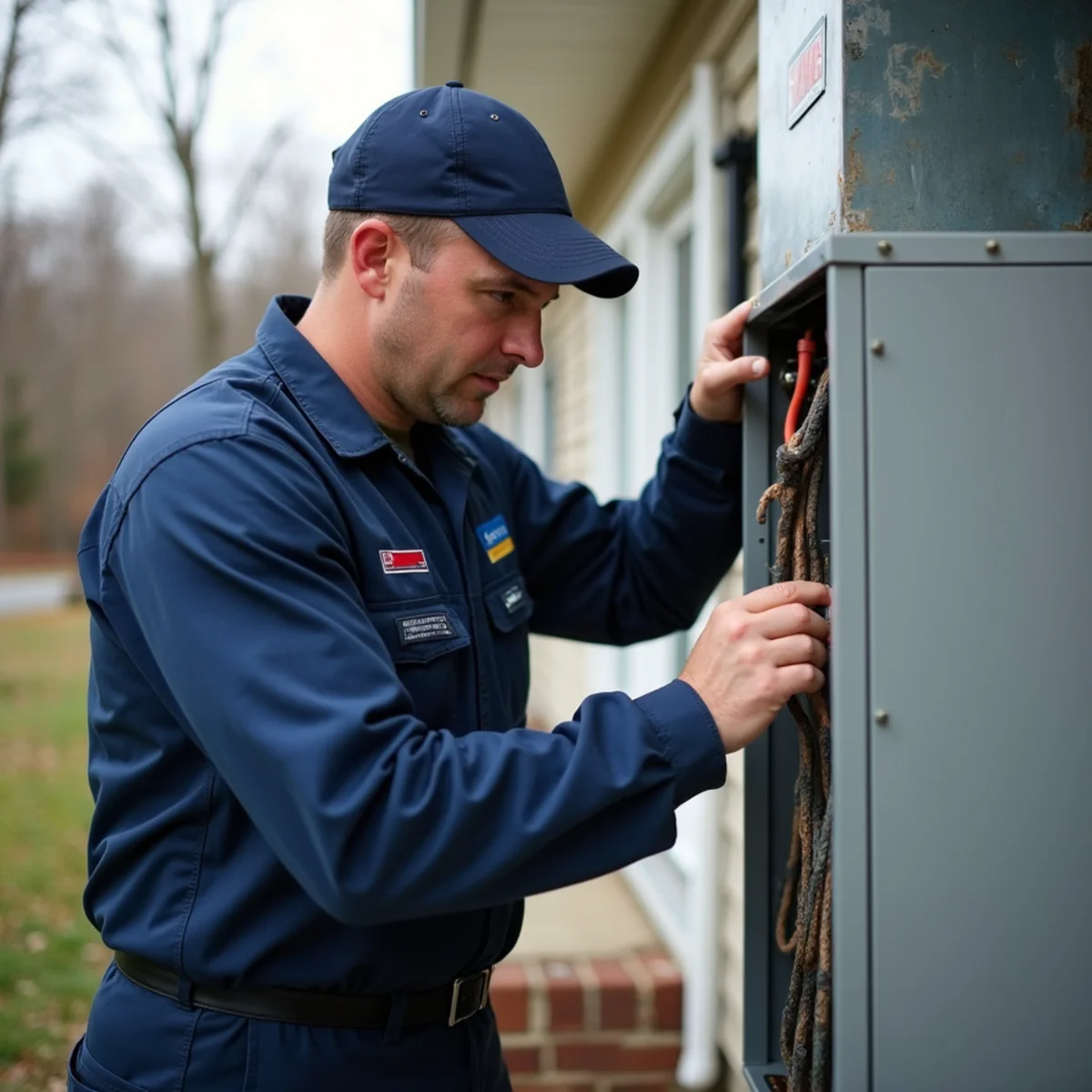
A furnace or heat pump that has coasted through fall can hide a problem that only shows up under a hard cold snap. A weak igniter, a failing defrost board, a cracked heat exchanger, or a low refrigerant charge can leave you without heat exactly when the temperature bottoms out.
A fall heating check finds those issues while it is still comfortable to fix them. We test the ignition and safety controls, verify the defrost cycle on heat pumps, inspect the heat exchanger, and confirm the backup heat engages correctly. It is far cheaper than an emergency call during an ice storm when everyone in the county is calling at once.
Have a plan for when the heat does go out
Even a perfect system fails when the power does. Decide now what you will do. Some families invest in a generator sized to run at least the furnace blower or heat pump. Others plan to shelter in one well-insulated room, or have a safe, code-compliant alternative heat source ready. Never run a generator indoors or use a gas range for heat; carbon monoxide kills.
If your heat fails and it is not a power outage, that is an emergency, especially with kids, elderly family, or pets in the house. We keep emergency furnace and heat pump service running through the winter for exactly these situations, with an average 60 to 90-minute response across Stafford County.
Related Stafford HVAC Help
Frequently Asked Questions
A light layer of frost is normal, and the unit runs a defrost cycle to clear it. Solid ice that never melts, or a coil buried in freezing rain, is a problem because the unit cannot pull heat from the air. Keep the area clear and call for service if the ice does not clear on its own.
Heat pumps deliver heat at a lower temperature than a furnace, so the air from the vents feels cooler even though the house stays warm. In a deep freeze the backup heat should kick in. If it feels like it is losing ground, your backup may not be engaging correctly and should be checked.
For homes with medical needs or frequent outages it can be worth it, but a whole-home generator is a real investment and must be sized to start a heat pump or furnace blower. We can advise on the load and safe hookup; never run a portable generator indoors or backfeed your panel.
Stafford's winters do not test your heating system often, but when an ice storm or nor'easter hits, that is exactly when a weak system or a bad backup plan leaves your family cold. A fall heating check and a real emergency plan are cheap insurance against a very bad night.
HVAC Stafford VA offers pre-season heating inspections and 24/7 emergency furnace and heat pump service all winter. Call +1 (327) 210-5999 to get your system ready before the next storm.
Call +1 (327) 210-5999