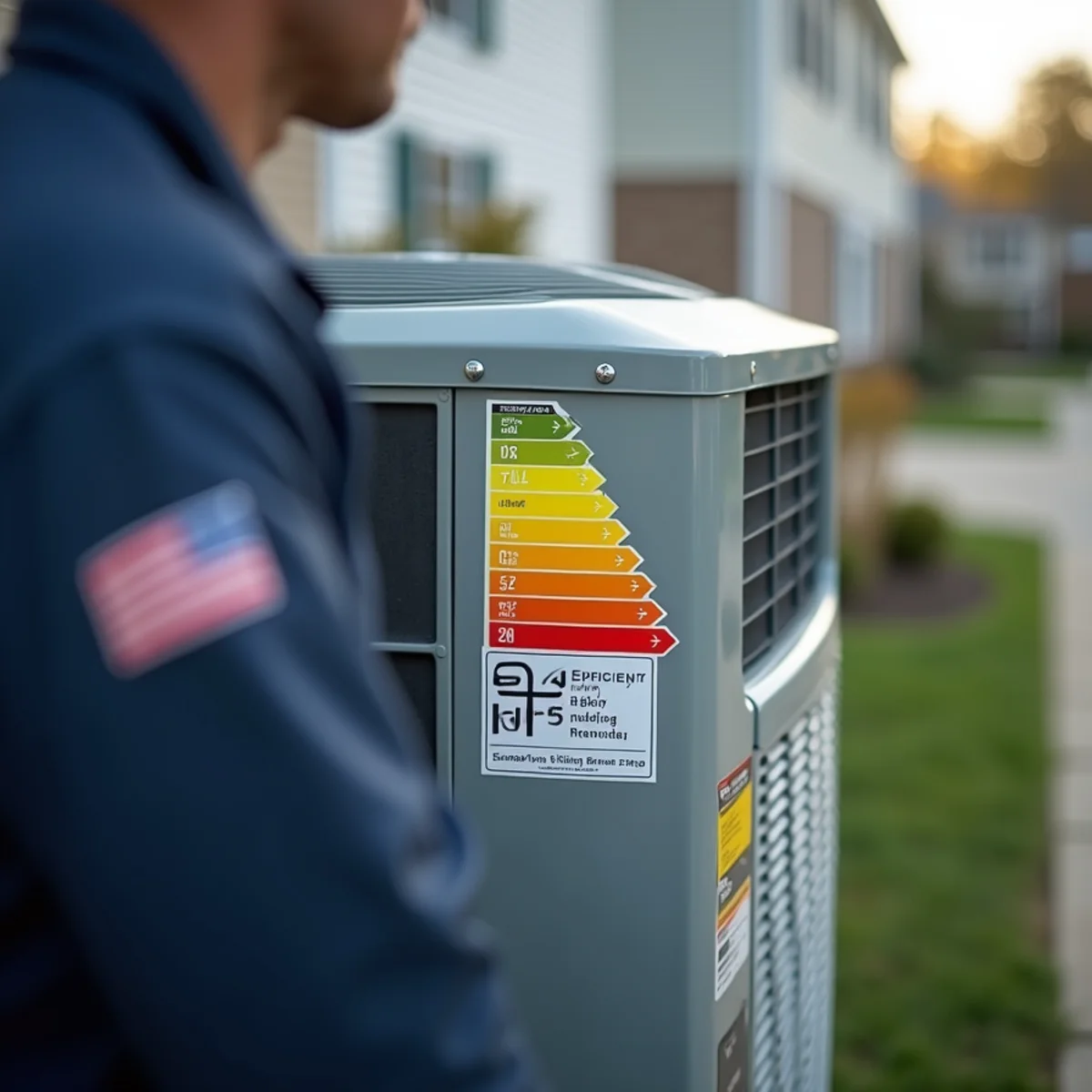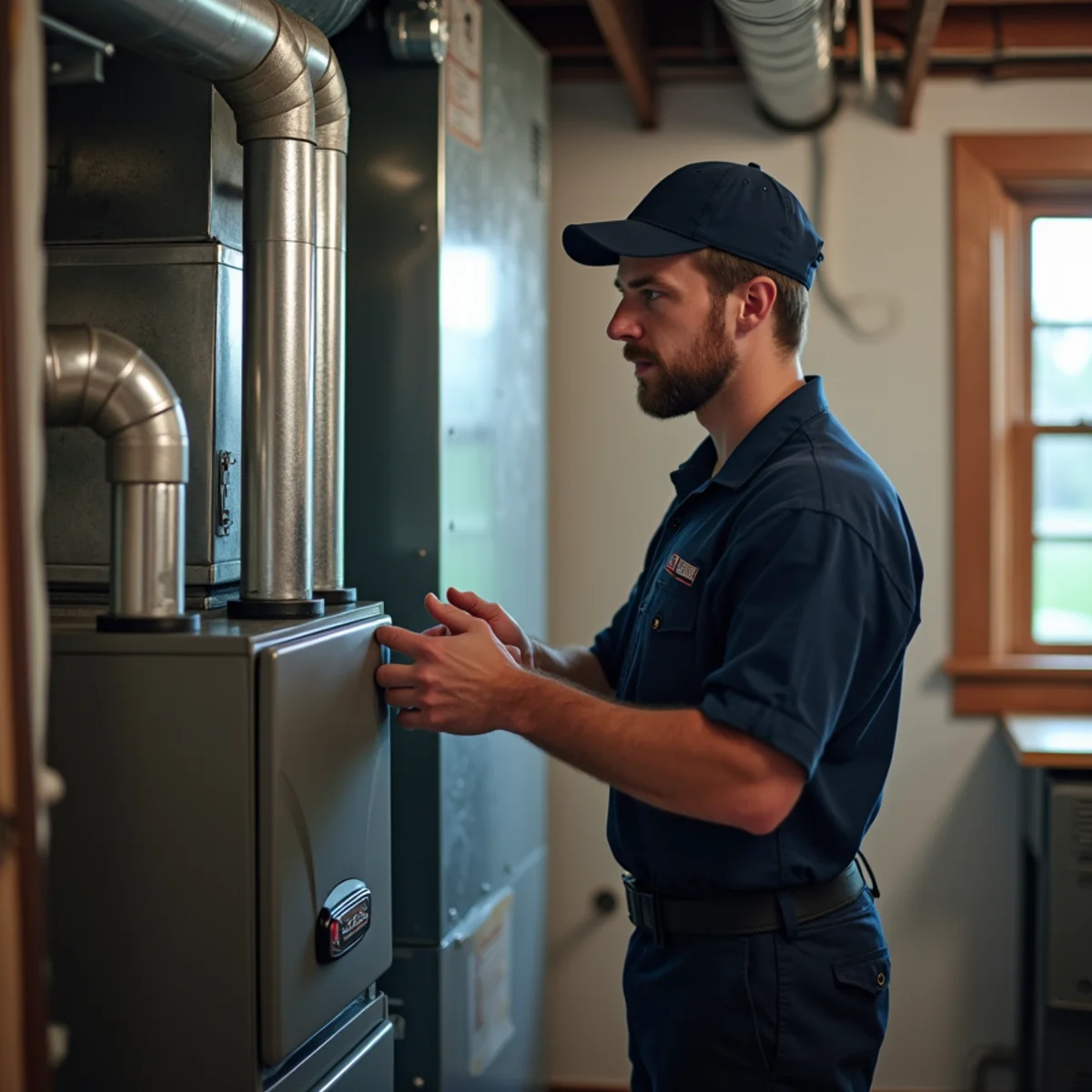
Few heating decisions cause as much confusion in Stafford as gas versus electric. The two furnaces look similar in the basement, but they cost different amounts to buy, different amounts to run, and they heat a house in noticeably different ways. Add a third option many homeowners overlook, the electric heat pump, and the choice deserves more than a coin flip.
This guide lays out the real trade-offs for a Stafford County home, where winters are cold enough to matter but mild enough that the math is not a slam dunk either way. The goal is not to push one answer, but to help you match the equipment to your fuel access, your budget, and how long you plan to live with the result.
How Each Furnace Actually Heats
A gas furnace burns natural gas or propane to heat air, then a blower pushes that warm air through your ducts. It produces hot, fast heat and keeps a house toasty even on the coldest January nights near Stafford Courthouse. Not every Stafford neighborhood has natural gas lines, though, so some homes rely on propane, which changes the cost picture.
An electric furnace heats air with electric resistance elements, much like a giant hair dryer, and sends it through the same kind of ductwork. It is simple, reliable, and produces no combustion gases, so there is no flue and no carbon monoxide risk. The heat it makes is a bit gentler than gas, and it can cost considerably more to run because resistance heating uses a lot of electricity.
It is worth naming the third path. A heat pump, which many Stafford homes already use for cooling, can also heat efficiently in our moderate winters by moving heat rather than making it. For a lot of local homeowners, a heat pump beats a straight electric furnace on operating cost, which is why we mention it in nearly every heating conversation.
Upfront Cost: What to Expect
Electric furnaces usually win the sticker price. They have fewer parts, need no gas line or flue, and install quickly. Gas furnaces cost more up front because of the burner assembly, venting, and gas connection, especially if a line has to be run. Treat the figures below as typical Stafford-area ranges, not quotes, since home size and ductwork condition move the number.
- Electric furnace installed: typically around 2,000 to 4,500 dollars
- Gas furnace installed: typically around 3,500 to 7,500 dollars, higher if a gas line must be added
- Heat pump installed (heats and cools): typically around 5,000 to 12,000 dollars
- Running a new gas line to a home without service: a meaningful extra cost to factor in
- High-efficiency condensing gas furnaces cost more up front but use less fuel over time
Operating Cost: The Long Game
This is where gas and electric trade places. In Virginia, natural gas has generally been the cheaper fuel for pure heating, so a gas furnace typically costs less to run through a Stafford winter than an electric resistance furnace, even though it costs more to buy. Over a ten to fifteen year lifespan, that monthly difference can more than erase the higher purchase price.
Electric resistance heat is the most expensive common way to heat a home when it runs a lot. That is the catch with an electric furnace: cheap to install, pricey to operate on cold nights. A heat pump sidesteps this by moving heat instead of generating it, delivering several units of heat for each unit of electricity in mild weather, which is most of Stafford's heating season.
If you have natural gas at the street, gas is usually the economical choice for serious heating. If you do not, the honest comparison is often electric furnace versus heat pump, and the heat pump typically wins on running cost while also handling your summer cooling.
Comfort, Safety, and Maintenance
Gas delivers warmer air at the vent and recovers temperature quickly after a cold snap, which many people simply prefer on a raw February morning. The trade-off is combustion: a gas furnace needs proper venting and an annual safety check for the heat exchanger and carbon monoxide, which a licensed technician handles during routine maintenance.
Electric furnaces are mechanically simpler, have no combustion byproducts, and tend to need less specialized service. The air they produce feels milder, which some find more comfortable and others find underwhelming on the coldest days. Heat pumps split the difference, with a longer, gentler heating cycle that keeps temperatures very steady once homeowners get used to the style.
Matching the System to Your Stafford Home
The decision gets simpler once you know two things: whether natural gas is available at your property, and how long you plan to stay. A quick way to see where you land is to run through the common scenarios.
- Have natural gas and plan to stay: a gas furnace usually offers the best lifetime value
- No gas line and a tight upfront budget: an electric furnace is cheapest to install
- No gas line but focused on monthly bills: a heat pump typically beats electric resistance heat
- Already have central AC and want one efficient system: a heat pump handles heating and cooling together
- Reselling soon: lower upfront electric or a modern heat pump can make sense over premium gas
Related Stafford HVAC Help
Frequently Asked Questions
No. Some Stafford neighborhoods have natural gas service and others do not, which is why many homes use propane or electricity instead. Before choosing a gas furnace, confirm whether a gas line reaches your property, since running a new line adds meaningful cost to the project.
Electric furnaces are simple and need no gas line or flue, so installation is cheaper. But electric resistance heating uses a large amount of electricity on cold days. Over a decade of Stafford winters, the higher running cost can outweigh the lower purchase price, which is why a heat pump is often worth comparing.
Often, yes. Stafford's winters are moderate enough that a heat pump heats efficiently most of the season and cools your home in summer too. If you do not have natural gas, a heat pump usually beats an electric furnace on running cost. A load calculation will confirm the right fit for your home.
There is no universal winner between gas and electric. A gas furnace typically offers the best lifetime value where natural gas is available and you plan to stay, while an electric furnace wins on upfront cost and simplicity. For many Stafford homes without gas service, a heat pump quietly out-earns both on running cost while handling summer cooling as well.
The surest way to choose is to compare equipment and operating costs for your exact home and fuel situation. Our licensed local techs will check your gas availability, size the system properly, and lay out the numbers so you can pick with confidence. Call HVAC Stafford VA at +1 (327) 210-5999 for a free estimate.
Call +1 (327) 210-5999