Your thermostat reads 74. It feels like 80. Nobody in the house is comfortable, and the outdoor unit has been running for three hours straight. If that sounds like a July afternoon in Stafford, you are not imagining it. The number on the wall is only half the story.
Stafford sits in a humid subtropical band. From late May through September, the air over the Rappahannock and Aquia Creek holds moisture the way a wet towel holds water. When the weather service posts a heat index of 102, your air conditioner is working against both temperature and humidity at the same time, and the two loads do not add up the way most homeowners expect.
Sensible heat vs. latent heat: the load you cannot see
Air conditioners do two jobs. They lower the air temperature (sensible cooling) and they pull water vapor out of the air (latent cooling). On a dry 95-degree day out West, almost all the work is sensible. In Stafford in July, a huge share of the work is latent, and that work does not show up on your thermostat.
Here is why that matters. Your system can hit the setpoint temperature and still leave the house feeling clammy because it has not removed enough moisture. When indoor humidity sits above roughly 55 percent, 74 degrees feels like 78. Your body cannot shed sweat efficiently, so you crank the thermostat lower, the unit runs even longer, and the electric bill climbs while comfort barely improves.
Why oversized systems make humid days worse
A lot of Stafford homes, especially the fast builds from the 2000s, got air conditioners a ton or two larger than the house actually needs. On paper, bigger sounds better. In our climate it is the opposite.
An oversized unit satisfies the temperature fast, then shuts off. Short run times mean the coil never gets cold enough, long enough, to wring real moisture out of the air. The house hits temperature but stays muggy. This is called short cycling, and it is one of the most common comfort complaints we diagnose in North Stafford during a heat wave.
- Short cycles: unit runs a few minutes, stops, restarts repeatedly
- House feels cold and clammy at the same time
- Windows and vents may sweat; musty smell near returns
- Higher bills despite the house never feeling truly comfortable
The airflow and refrigerant details that show up only under load
A system can look fine in mild June weather and fall apart at 98 degrees. That is because heat and humidity expose weaknesses that a light load hides. A slightly low refrigerant charge, a dirty evaporator coil, a clogged filter, or a partially blocked condensate line all reduce capacity right when you need every bit of it.
During a genuine heat-index event, we measure the temperature split across the coil, verify airflow, check subcooling and superheat, and inspect the condensate path. A unit that drops only 14 degrees across the coil instead of the expected 18 to 20 is quietly losing the fight. Catching that with a proper diagnostic beats replacing a compressor that overheated because nobody looked.
What actually helps when the heat index spikes
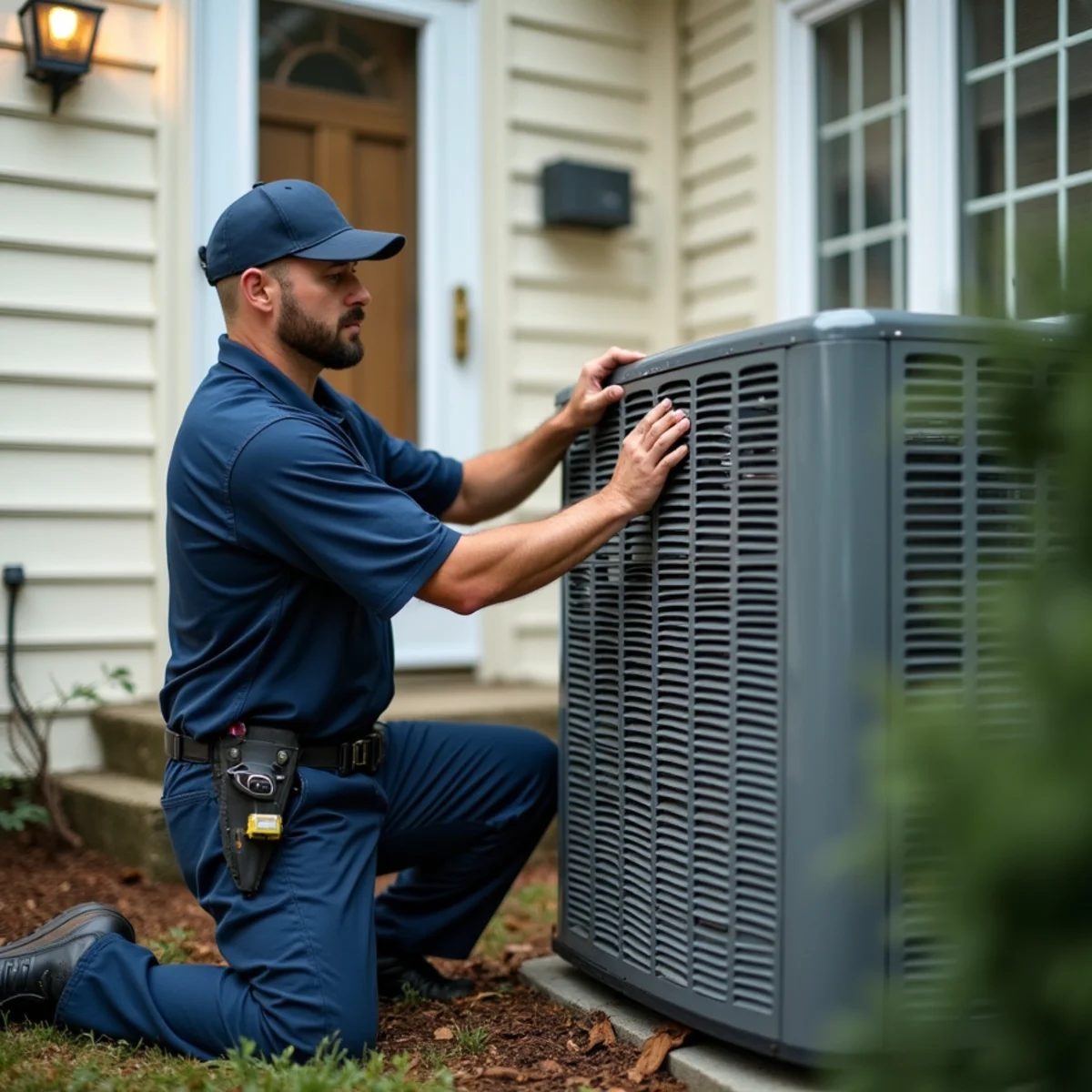
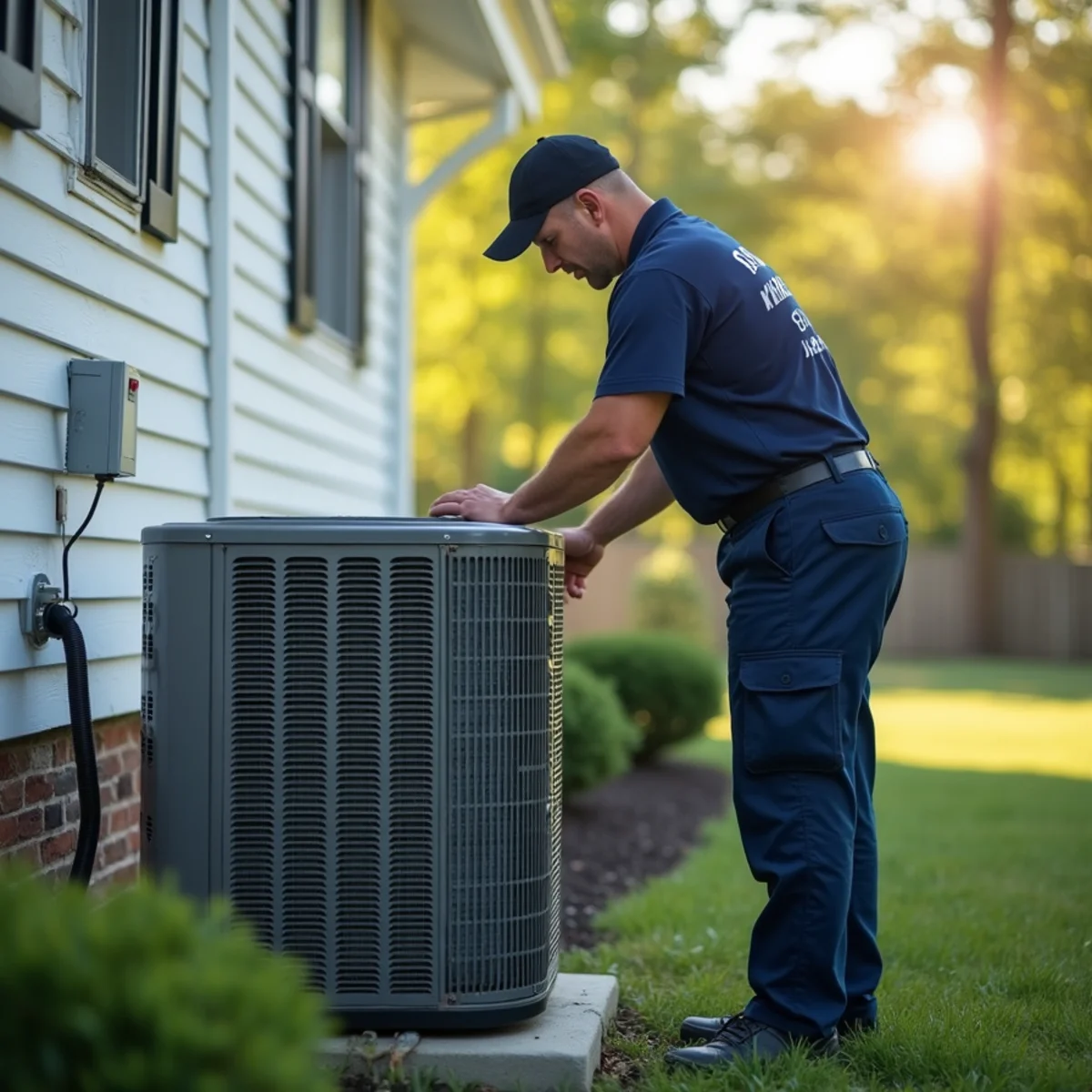
You cannot change the weather, but you can stack the deck. Change the filter monthly during cooling season. Keep the outdoor condenser clear of mulch, pine straw, and overgrown shrubs so it can reject heat. Close blinds on the west-facing side in the afternoon. And do not set the thermostat to 68 hoping to force comfort; a right-sized system dehumidifies best when it runs long, steady cycles at a reasonable setpoint.
If your house is still muggy at the correct temperature, the answer is usually better dehumidification, not a colder setpoint. Sometimes that means a variable-speed system that runs longer at low capacity. Sometimes it means adding a whole-house dehumidifier tied into the return. The right call depends on the load calculation for your specific home.
Related Stafford HVAC Help
Frequently Asked Questions
Your system is removing enough heat but not enough moisture. That usually points to short run times from an oversized unit, low airflow, or a coil that isn't getting cold enough. A dehumidification-focused fix works better than lowering the thermostat.
Continuous running on a 98-degree, high-humidity afternoon is expected and actually good for moisture removal. What is not normal is the house failing to reach temperature, or the unit short cycling on and off every few minutes.
Often, yes. When indoor humidity drops, the same temperature feels cooler, so you can raise the thermostat a couple degrees and the AC runs less. A whole-house unit tied into your ductwork is the most effective option for our climate.
Stafford summers are brutal on air conditioners, and the thermostat will never tell you the whole story. If your house feels sticky at the right temperature, if the unit short cycles, or if cooling capacity fades on the hottest afternoons, those are fixable problems once someone measures the real numbers.
Our NATE-certified techs diagnose comfort and humidity complaints across Stafford County, not just temperature. Call HVAC Stafford VA at +1 (327) 210-5999 and we'll figure out exactly why your home isn't keeping up.
Call +1 (327) 210-5999