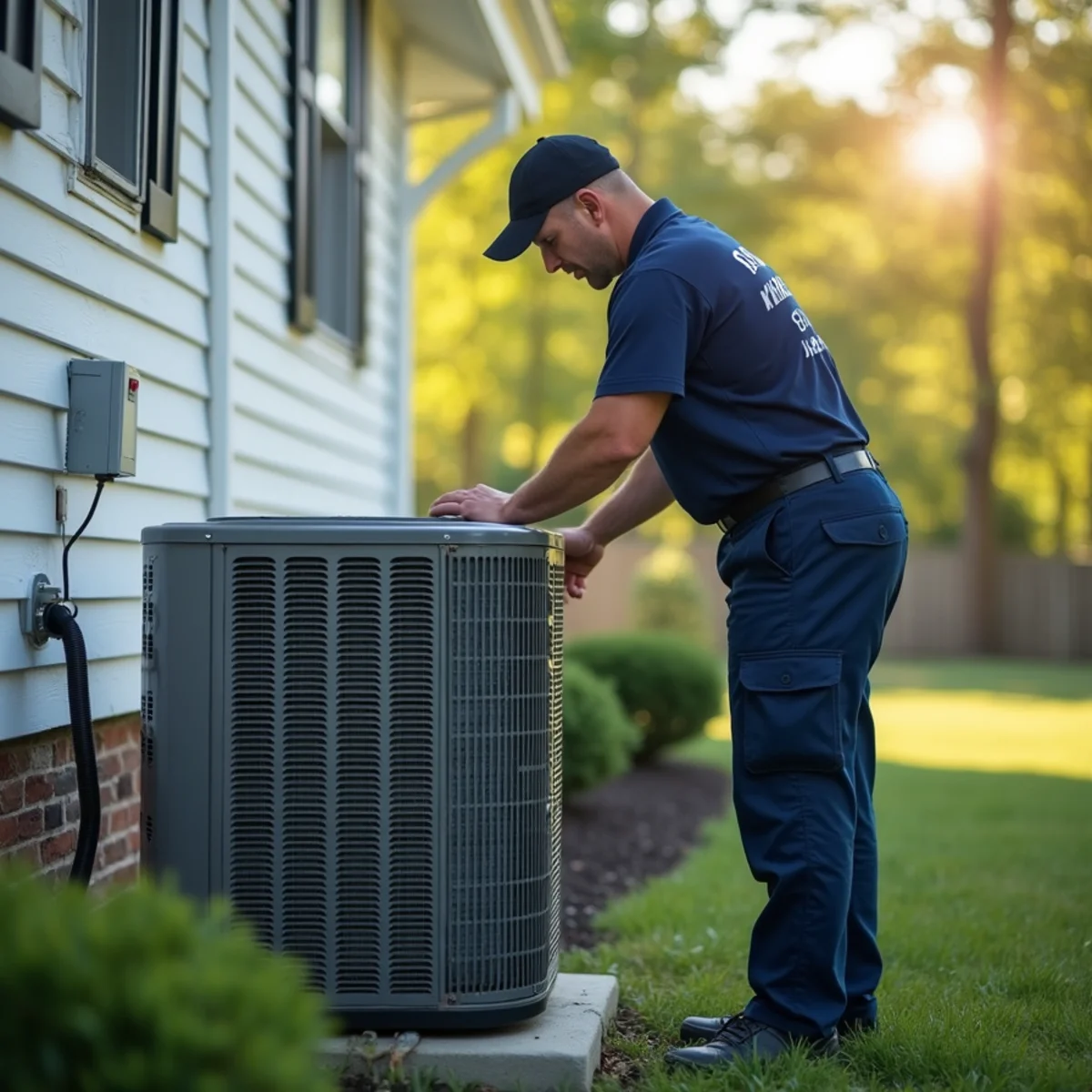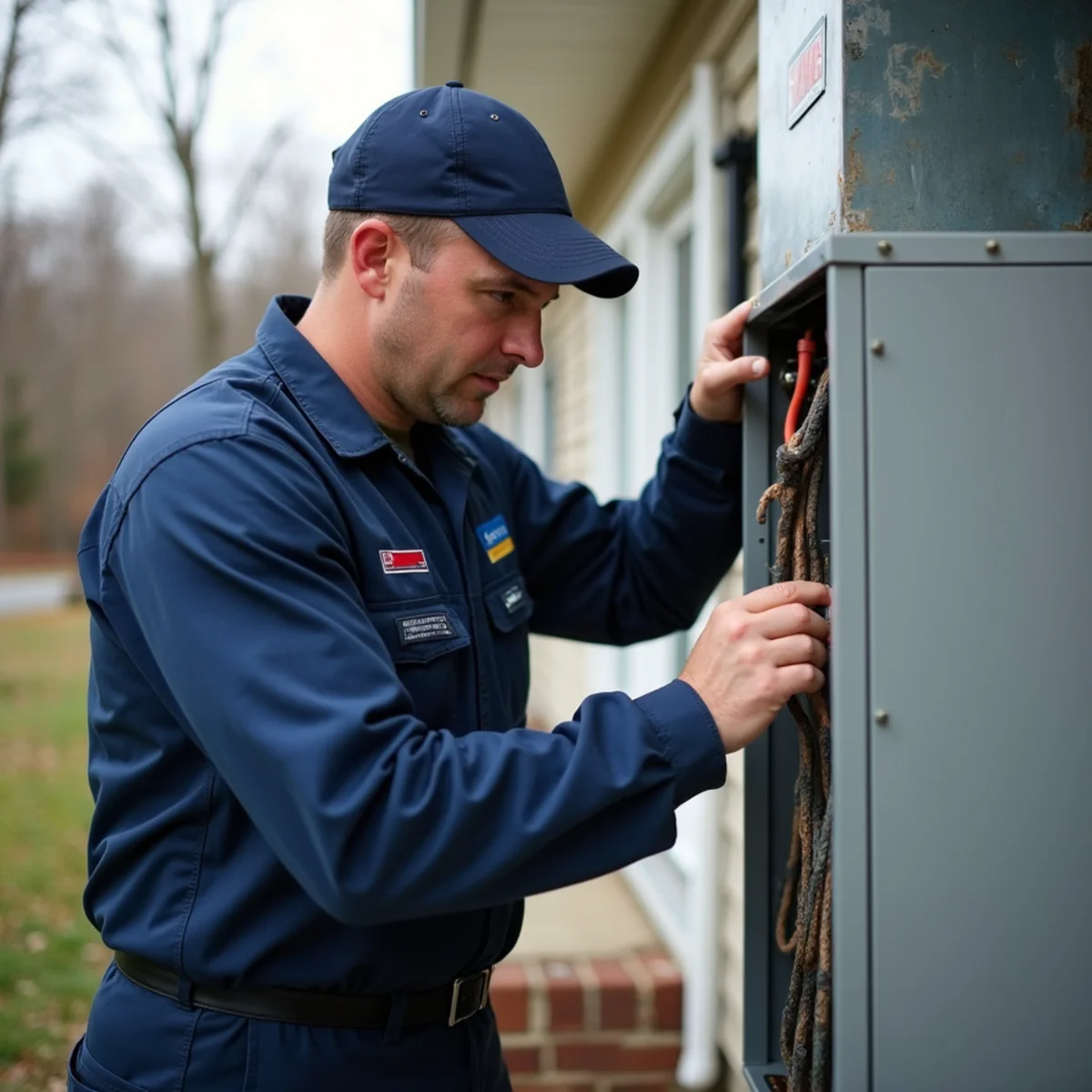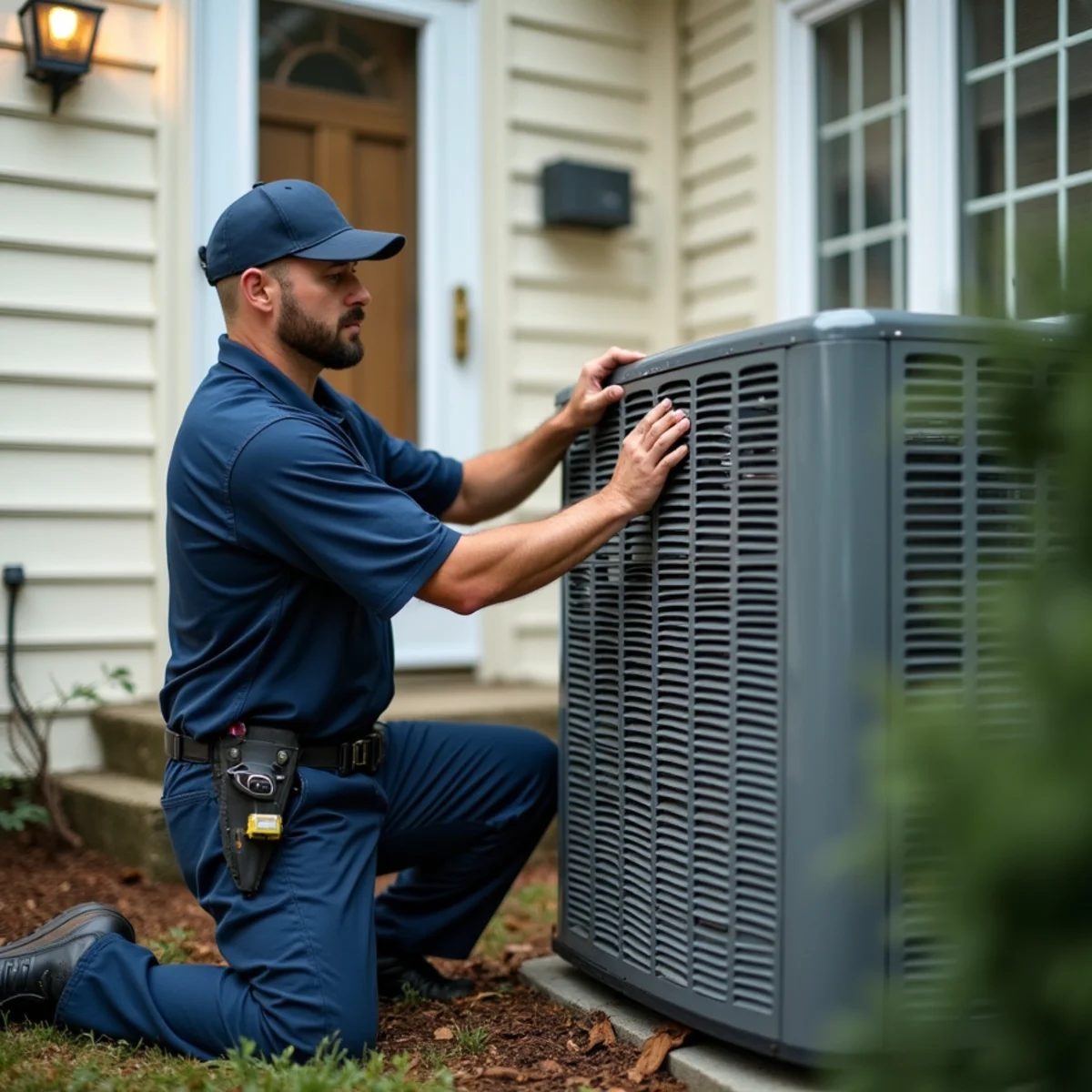
Stafford County grew fast in the 2000s. Neighborhoods like Colonial Forge, Hampton Oaks, Augustine, and later Embrey Mill filled with new homes, and every one of them got a brand-new HVAC system on builder-grade equipment. Fast forward to today and those systems are 15 to 20-plus years old. That is right at, or past, the end of their expected life.
We are seeing it in the field every week: compressors that finally quit, heat exchangers that crack, and R-22 systems that cost a fortune to recharge. If your home falls into that building wave, it helps to know what to watch for and how to plan a replacement on your terms instead of during a July breakdown.
Why so many systems are failing at the same time
It is simple math. A large share of Stafford's housing stock went up in a roughly ten-year window. HVAC equipment installed then has a fairly predictable service life. So the failures cluster the same way the construction did. The neighborhoods that were built together are now replacing together.
Our climate accelerates it. Long humid cooling seasons mean these systems ran hard for months every year. Heat pumps that carry both heating and cooling duty log even more hours than a straight AC. Equipment that might last 20 years in a mild climate often gives out sooner here.
The R-22 problem that makes repair a losing bet
Many 2000s systems use R-22 refrigerant, which has been phased out of production. Any R-22 left is expensive and getting more so. When one of these systems develops a refrigerant leak, you are looking at a costly recharge into a system that may leak again, on equipment already near end of life.
That changes the math on repair versus replace. Sinking $1,500 into an R-22 recharge on a 17-year-old unit rarely makes sense when a modern SEER2 system will cut your energy use and use current refrigerant. We lay out both numbers in writing so you can decide with real figures, not a sales pitch.
- Repeated repairs on the same system in a short span
- A refrigerant leak on an older R-22 unit
- Rising energy bills for the same comfort
- The system is 15+ years old and struggling in summer
The oversizing you probably inherited
Builder installs from that era were often sized by rule of thumb, not a real load calculation. The result was frequently an oversized system, which in our humid climate short cycles and leaves the house muggy. Many homeowners have lived with clammy summers for years assuming that is just how it is.
A replacement is your chance to fix it. We run a Manual J load calculation on your actual house, factoring in windows, insulation, and orientation. Right-sizing the new system means longer, steadier cycles, better dehumidification, and lower bills. It is one of the biggest quality-of-life upgrades a replacement delivers.
Replace on your schedule, not during a heat wave
The worst time to replace a system is the day it dies in August, when you are hot, stressed, and choosing under pressure. If your equipment is in that late-2000s window and showing wear, planning ahead lets you compare options, take advantage of financing, and schedule the work in a shoulder season.
A proper replacement includes a permit through Stafford County, correct sizing, and documented startup commissioning so the new system performs the way it should from day one. That paperwork also protects your warranty and your home's resale value.
Why 2000s Builder Systems Tend to Fail Early
The wave of homes built across Stafford in the 2000s — Embrey Mill's predecessors, Colonial Forge, Augustine, and the Austin Ridge corridor — mostly shipped with builder-grade equipment chosen for price, not longevity. Those systems often had rushed startups, undersized returns, and ductwork sealed with tape that has since let go, which means many ran harder than they should have for their whole lives.
Add the R-410A refrigerant transition and code-minimum efficiency of that era, and it is no surprise these units are hitting the wall around the 15-to-20-year mark all at once. The upside is that a properly sized, correctly commissioned replacement in one of these homes usually delivers a bigger comfort and efficiency jump than the homeowner expects, precisely because the original was cutting corners.
Related Stafford HVAC Help
Frequently Asked Questions
If it is running well and not on R-22, you can keep it maintained and plan ahead. But at that age, budget for replacement soon, and if it needs a major repair, put that money toward a new system instead. Replacing on your schedule beats an August emergency.
Usually meaningfully, yes. Modern SEER2 equipment is far more efficient than 2000s builder-grade units, and right-sizing it for your home reduces runtime waste. Many Stafford homeowners see a clear drop in summer cooling costs after replacement.
Yes. HVAC replacements require a Stafford County mechanical permit. A licensed contractor pulls it and schedules the inspection. Skipping the permit risks problems at resale and voids the protection that a proper, inspected installation gives you.
If you bought into one of Stafford's 2000s neighborhoods, your HVAC system is on borrowed time, and you are not alone. Planning the replacement now, with a real load calculation and honest numbers, beats scrambling when it fails on the hottest day of the year.
HVAC Stafford VA installs right-sized, properly permitted systems across Embrey Mill, Colonial Forge, and every neighborhood in the county. Call +1 (327) 210-5999 for a replacement consultation and written options.
Call +1 (327) 210-5999