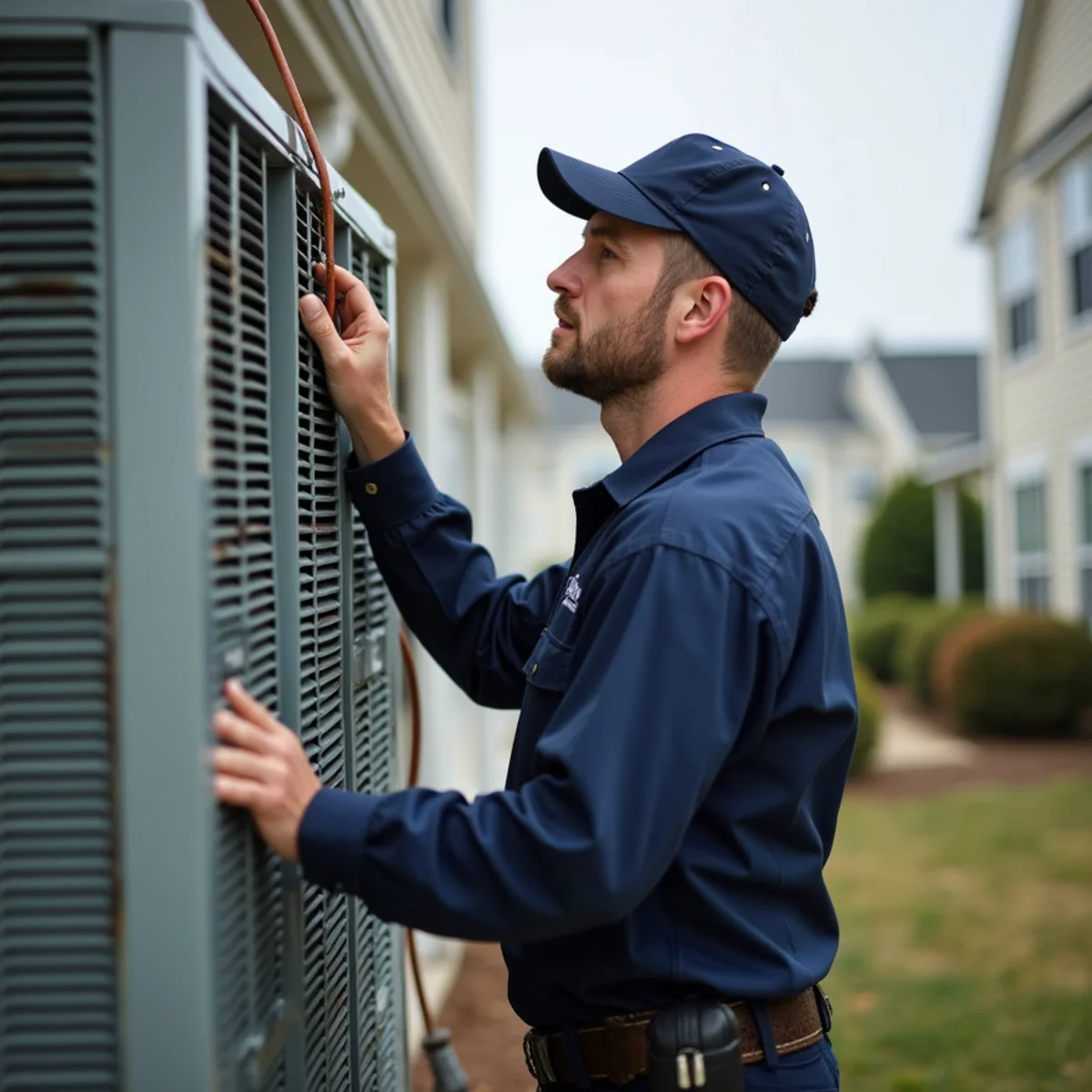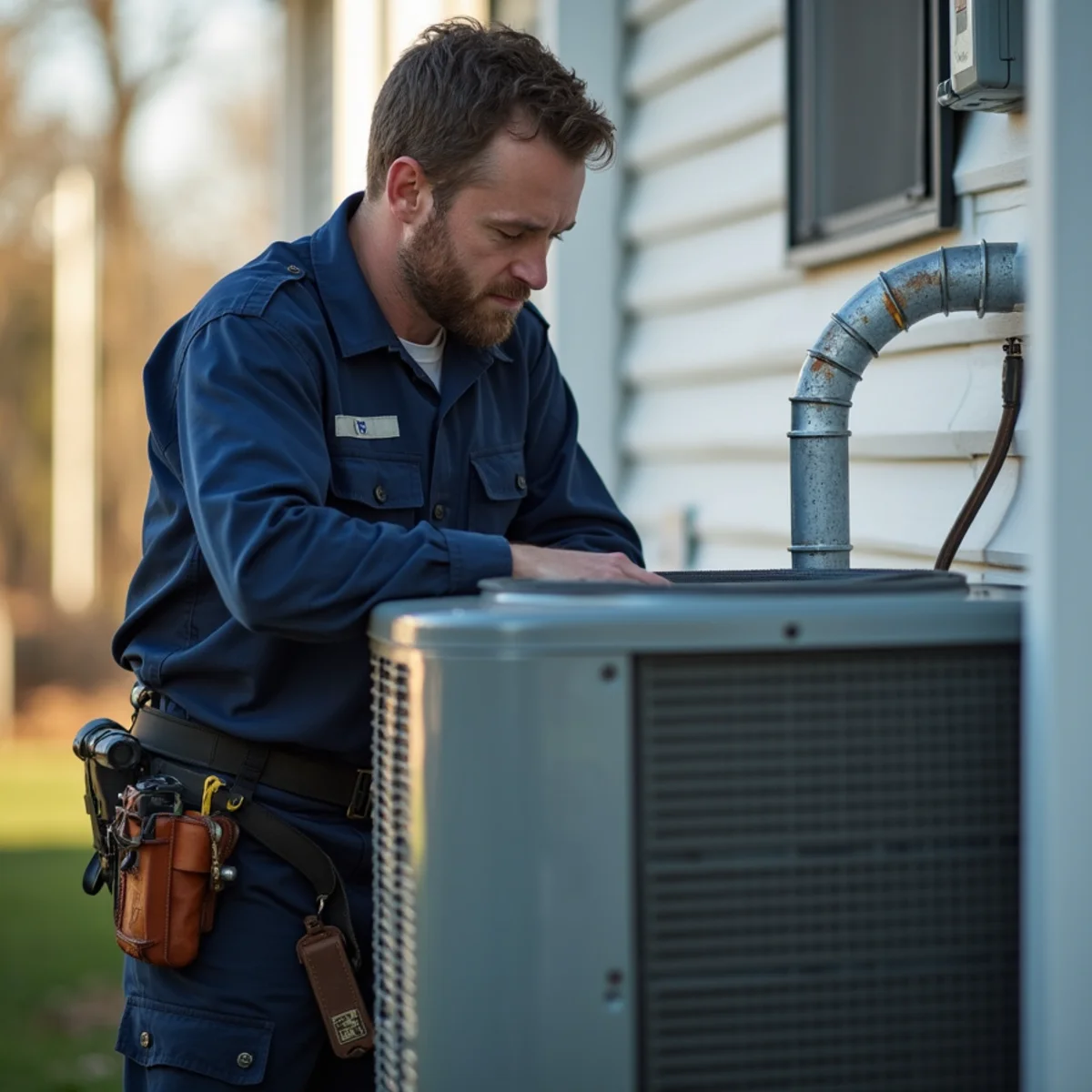
Ask any Stafford landlord what they dread and a midnight no-heat or no-cool call from a tenant is near the top. Those calls come at the worst times, cost rush rates, and put a tenant relationship at risk. The frustrating part is that most of them are preventable.
The landlords who have almost eliminated these emergencies are not lucky. They do one boring, reliable thing: two seasonal service visits a year on every property. The reduction in emergency calls is dramatic, often more than half. Here is how the math works and how to set it up.
Why most emergency calls are preventable
The majority of HVAC emergencies are not sudden. They are the end stage of a problem that had been developing for weeks or months, a capacitor slowly weakening, refrigerant slowly leaking, a coil slowly clogging, a drain slowly filling with algae. By the time it fails, it fails hard, usually on the hottest or coldest day when the system is under maximum stress.
Seasonal service catches these in the early stage. A spring AC check finds the weak capacitor and the low charge before summer. A fall heating check finds the failing igniter and the cracked heat exchanger before winter. Replace those cheaply on a scheduled visit and the midnight emergency simply never happens.
The two-visit rhythm that does the work
The whole strategy is two visits a year, timed to the seasons, on every unit you own. Spring before cooling season, fall before heating season. That is it. The consistency is what drives the results.
- Spring: AC charge, capacitor, coils, condensate, airflow checked
- Fall: furnace or heat pump safety, ignition, heat exchanger, defrost
- Filters changed each visit and sizes documented
- Small worn parts replaced before they fail under load
- A written record per property for budgeting and disputes
What fewer emergencies means for your bottom line
The direct savings are obvious: emergency calls cost more than scheduled service, and you avoid the overtime and expedited-parts premiums. But the bigger wins are indirect. A tenant who never loses heat or cooling is a tenant who renews, and turnover is one of the largest costs a landlord faces.
Well-maintained systems also last longer, delaying the five-figure expense of replacement, and they run more efficiently, which matters if you pay any utilities or want to keep the property attractive. Add it up and seasonal maintenance is one of the highest-return, lowest-effort things a Stafford landlord can do.
Documentation protects you, too
Beyond preventing failures, a documented maintenance history is a landlord's friend. It shows you met your obligation to maintain the property's systems, which matters in any tenant dispute. It gives you a clear baseline for what condition a system was in, so tenant-caused damage is easier to identify at turnover.
It also makes budgeting real. When you have a service record for each unit, you know which systems are aging and when to plan replacement, instead of being blindsided. We keep that documentation for every property we service so you always have it when you need it.
The Math Behind Fewer Emergency Calls
The case for seasonal service is mostly arithmetic. Most after-hours failures come from a short list of preventable causes: a coil so dirty the system overheats, a clogged condensate line that trips the safety, or a weak capacitor that finally quits on the hottest day. A seasonal visit catches all three for a fraction of an emergency call.
Across a portfolio, landlords who keep units on a maintenance schedule typically see a sharp drop in emergency dispatches and longer equipment life. The honest tradeoff is that maintenance is a recurring cost — but it is a predictable one that replaces unpredictable, expensive 2 a.m. calls and tenant complaints.
- Dirty coils that cause overheating
- Clogged condensate lines and tripped floats
- Weak capacitors and contactors
- Low refrigerant from slow leaks
- Neglected filters restricting airflow
Related Stafford HVAC Help
Frequently Asked Questions
Yes. Because most emergencies are the end stage of problems that develop slowly, catching them on scheduled spring and fall visits prevents the majority of failures. Landlords who commit to two visits a year consistently report a large drop in after-hours emergency calls.
Absolutely. Preventing emergencies, extending equipment life, and documenting maintenance benefit you as the owner regardless of who pays the utility bill. You own the equipment and carry the obligation to keep it working, and a failed system means an emergency call and an unhappy tenant either way.
Yes, substantially. Most emergency failures trace back to neglected basics — dirty coils, clogged condensate lines, weak capacitors — that a seasonal visit catches early. Fewer 2 a.m. calls means lower costs and happier tenants.
You cannot control when a tenant calls, but you can make sure they rarely have a reason to. Two seasonal service visits a year is the single most effective way for a Stafford landlord to cut emergency calls, protect equipment, and keep good tenants renewing.
HVAC Stafford VA sets up seasonal maintenance for landlords across the county, with documentation for every property. Call +1 (327) 210-5999 to protect your rentals before the next season.
Call +1 (327) 210-5999