Ductless mini-splits have become popular across Stafford for exactly the situations where traditional ducted systems struggle: bonus rooms over garages, finished basements, sunrooms, additions, and older homes without ductwork. They are efficient and quiet, so when one stops cooling on a hot afternoon, it is doubly frustrating.
The good news is that a fair number of mini-split cooling problems come from simple, fixable causes, and a mini-split is one system where careful homeowner troubleshooting genuinely pays off. Work through these steps first. Some will get you cooling again in minutes, and the rest will tell you clearly that it is time for a technician.
Check the Mode and Remote Settings
Mini-splits are controlled by a remote or an app, and it is easy to have the wrong setting without realizing it. Confirm the unit is set to COOL mode, shown by a snowflake icon, not FAN, DRY, or AUTO. In AUTO mode, the system decides between heating and cooling, and on a mild morning it may not be cooling when you expect it to.
Check that the setpoint temperature is actually below the room temperature, and that the fan speed is not stuck on the lowest setting. It sounds basic, but a bumped remote or a fresh set of batteries with reset settings is behind a real share of no-cooling complaints. Rule this out before anything else, because it costs nothing.
Clean the Filters
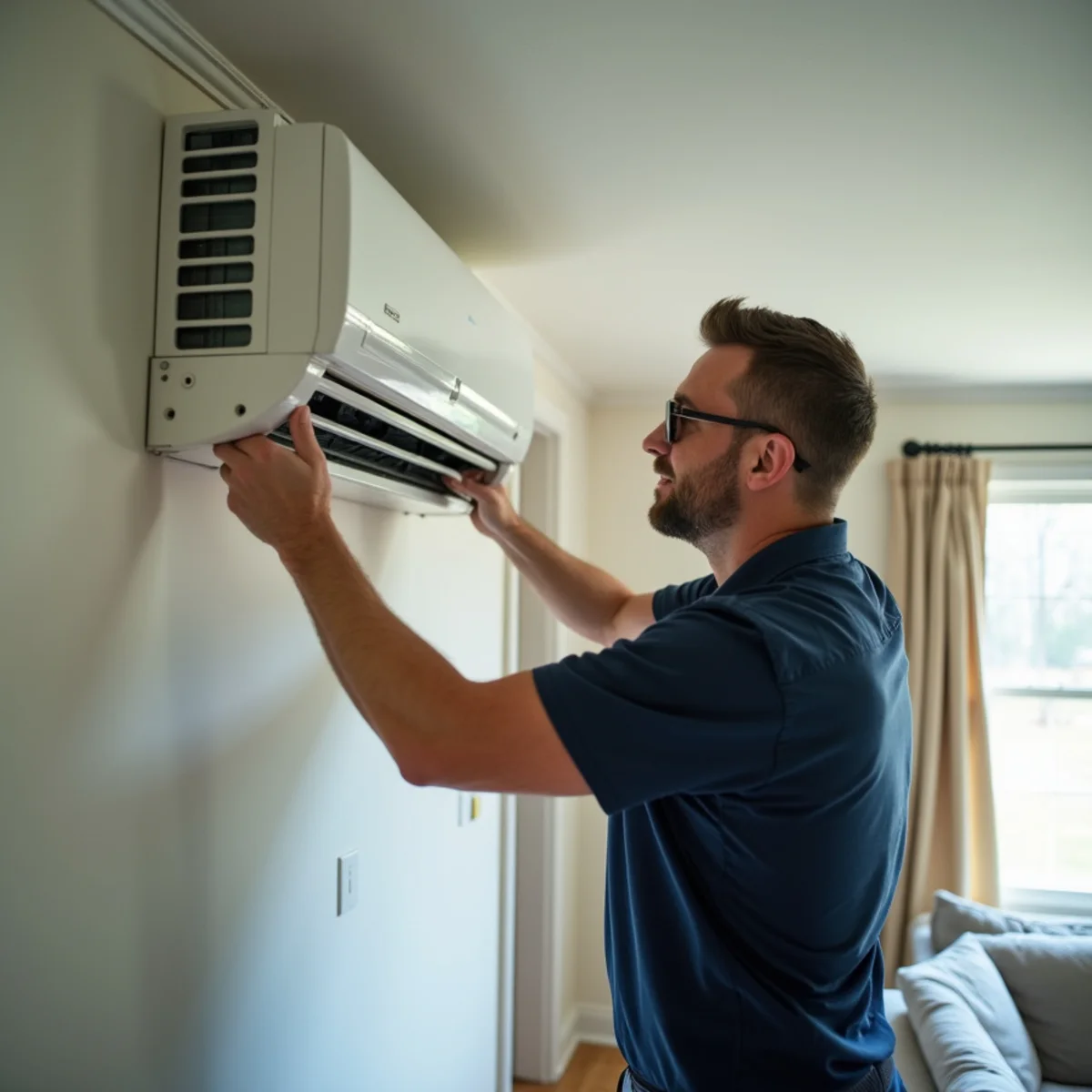
Mini-split indoor heads have filters that are easy to reach and easy to forget. Behind the front panel of the wall unit sit thin mesh filters that clog with dust and pet hair. Because these systems recirculate room air constantly, the filters load up faster than you might think, and a clogged filter chokes airflow and kills cooling performance.
Open the front panel, slide the filters out, and rinse them under water or vacuum them gently, then let them dry fully before reinstalling. This is the single most valuable piece of mini-split maintenance a homeowner can do, and dirty filters are the most common reason a mini-split stops cooling well. Clean them every few weeks during heavy use.
- Open the indoor unit's front panel and remove the mesh filters
- Rinse or vacuum them, dry fully, and reinstall
- Clean them every few weeks during heavy cooling season
Inspect the Outdoor Unit
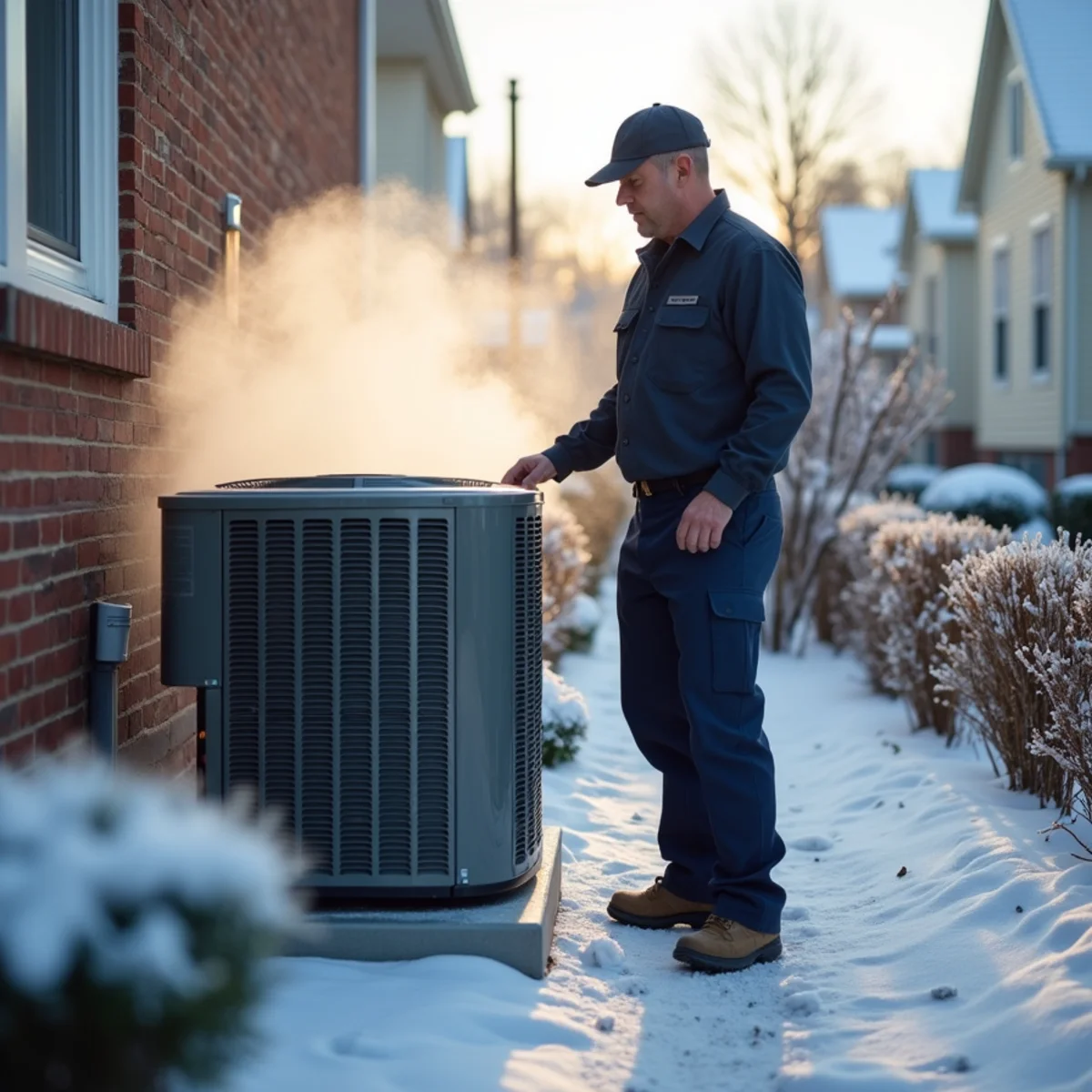
Like any air conditioner, a mini-split has an outdoor condenser that needs clear airflow. Walk out to it and make sure nothing is blocking it, tall grass, leaves, mulch, or debris pressed against the coil. The cottonwood fluff and pollen that fill Stafford's spring and summer air are notorious for clogging outdoor coils.
Gently clear away any debris and trim back vegetation so the unit can breathe. Also confirm the outdoor fan is spinning when the system calls for cooling. If the outdoor unit is silent and still while the indoor head is running, that points to a problem beyond simple cleaning, and it is a sign to call.
Check Power and for Error Codes
Mini-splits are on their own dedicated circuit. Check your electrical panel for a tripped breaker and reset it once. Many systems also have a disconnect near the outdoor unit worth checking. If the breaker trips again immediately, stop and call, because that indicates an electrical fault.
Modern mini-splits are helpful in that they often display error codes on the indoor unit or the remote when something is wrong, a series of blinking lights or a code on the display. If you see one, note it down. That code tells a technician a great deal about what is happening inside the system and speeds up the diagnosis considerably.
When Troubleshooting Runs Out
If you have confirmed the mode, cleaned the filters, cleared the outdoor unit, and checked the power, and the mini-split still will not cool, the likely causes are beyond homeowner territory. Low refrigerant from a leak, a failed compressor, a bad control board, or a sensor fault all require a technician with proper tools and EPA certification.
Refrigerant issues are especially common on mini-splits that were not installed correctly, because these systems demand precise charging and careful line-set work. Our ductless mini-split specialists serve the Woodstream area and the wider county, and we can quickly diagnose whether your system needs a simple fix or a repair that requires certified hands. Do not keep running a system that is clearly not cooling, because a refrigerant or compressor problem only gets worse.
Related Stafford HVAC Help
Frequently Asked Questions
During heavy cooling season in Stafford's summer, every few weeks is a good rhythm, and at least monthly otherwise. Because mini-splits recirculate room air constantly, the filters clog faster than people expect, and dirty filters are the leading cause of a mini-split that stops cooling well. Clean filters keep the system efficient and quiet.
After ruling out a wrong mode setting and dirty filters, room-temperature air usually points to low refrigerant from a leak or a compressor problem, especially if the outdoor unit is not running. These need a certified technician. If your system shows an error code, note it, because it helps pinpoint the fault quickly.
No. Mini-splits require precise refrigerant charging, and handling refrigerant legally requires EPA Section 608 certification. Low refrigerant also means a leak that must be found and repaired, not simply topped off. Improper charging is a common cause of poor mini-split performance, so this step should always be left to a qualified technician.
A ductless mini-split that stops cooling often has a simple cause, a wrong mode, clogged filters, a blocked outdoor unit, or a tripped breaker, all of which a homeowner can check. When those come up clean, the remaining causes involve refrigerant and internal components that need certified hands and the right tools.
If you have worked through the basics and your mini-split still will not cool, call HVAC Stafford VA at +1 (327) 210-5999. We will diagnose it properly and get your comfort back.
Call +1 (327) 210-5999